
The short version: Many parents treat the off-season as a total shutdown, assuming kids need to do nothing until the next season starts. In reality, going from fully active to completely sedentary is one of the more common mistakes in youth sports. The off-season does not need to mean training hard, but it should not mean stopping entirely either. Winter sports for kids provide a window for lower-pressure movement that keeps kids conditioned and ready for what comes next.
Every winter, thousands of young athletes hang up their cleats, sticks, or shoes and take a full break from activity until their next season starts. It feels like the responsible thing to do. Kids have been working hard all fall, and rest sounds like exactly what they need.
The problem is not the idea of rest. It’s what a full stop actually does to a young athlete’s body and habits, and how much harder it makes the return.
The Off-Season Myth
Rest and inactivity are often treated as the same thing, but they are not. A true off-season break should mean stepping back from the intensity, structure, and competitive pressure of in-season training. It doesn’t need to mean sitting on a couch for three months.
When kids go from practicing several times a week to doing nothing at all, their bodies can lose conditioning fast, and just as importantly, their routines fall apart. Getting back into a rhythm of regular movement is often harder than parents expect once winter turns into spring tryouts.
What Happens When Kids Stop Moving Completely
It is generally recommended that athletes take real time away from a specific sport between seasons to avoid overuse injury. What matters is the difference between stepping back from one sport and stepping back from movement altogether.
A young athlete who goes from regular practice to near-total inactivity for months will lose that conditioning, and coming back too fast with no pre-season conditioning after a long layoff is a recognized risk factor for overuse injury. The goal of an off-season is not to eliminate this risk by doing nothing. It is to manage it by staying loosely active in lower-pressure ways.
The Off-Season Is a Skill-Building Opportunity
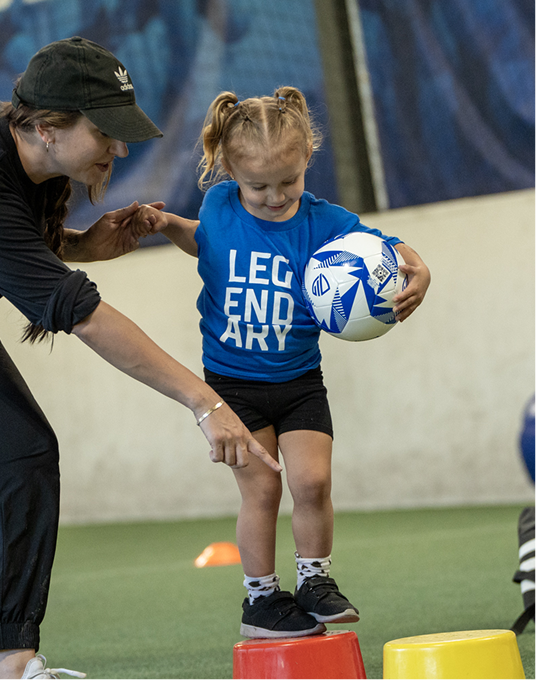
Winter can actually be one of the more valuable stretches of a young athlete’s year, as long as it is used well. Without the pressure of games or a season on the line, kids have room to try other sports, work on fundamental movement skills like balance, coordination, and agility, and build the kind of general athleticism that supports every sport they play.
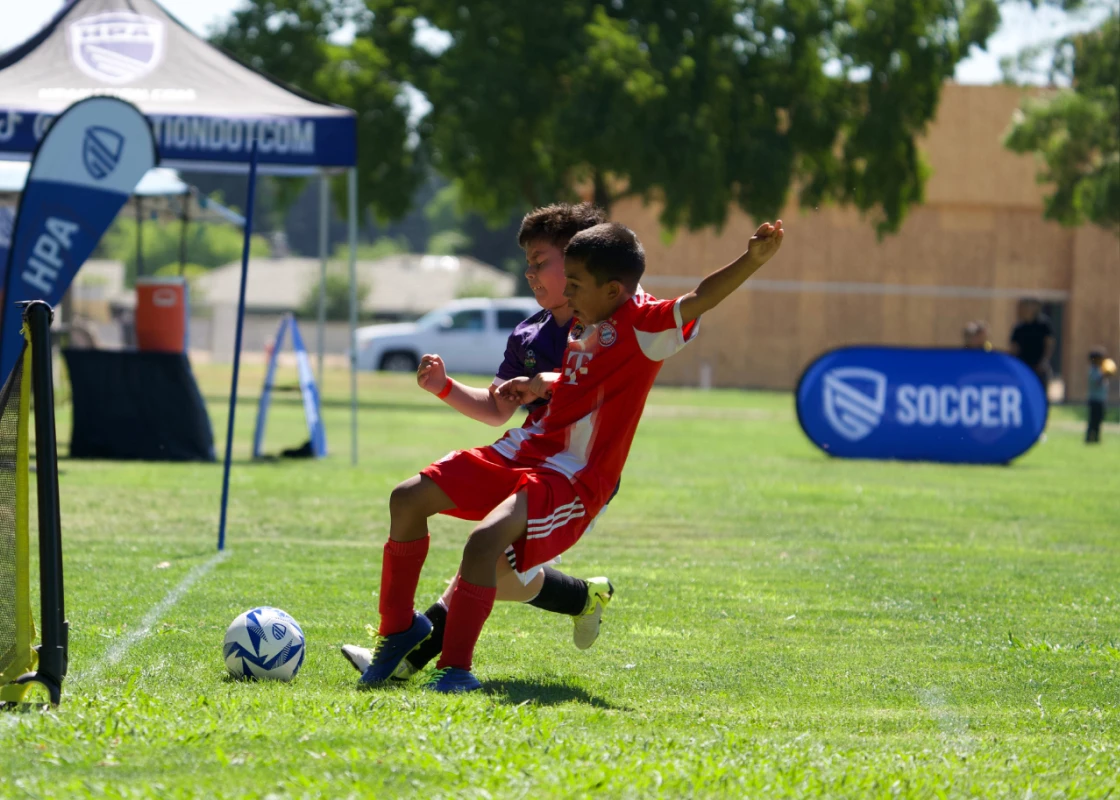
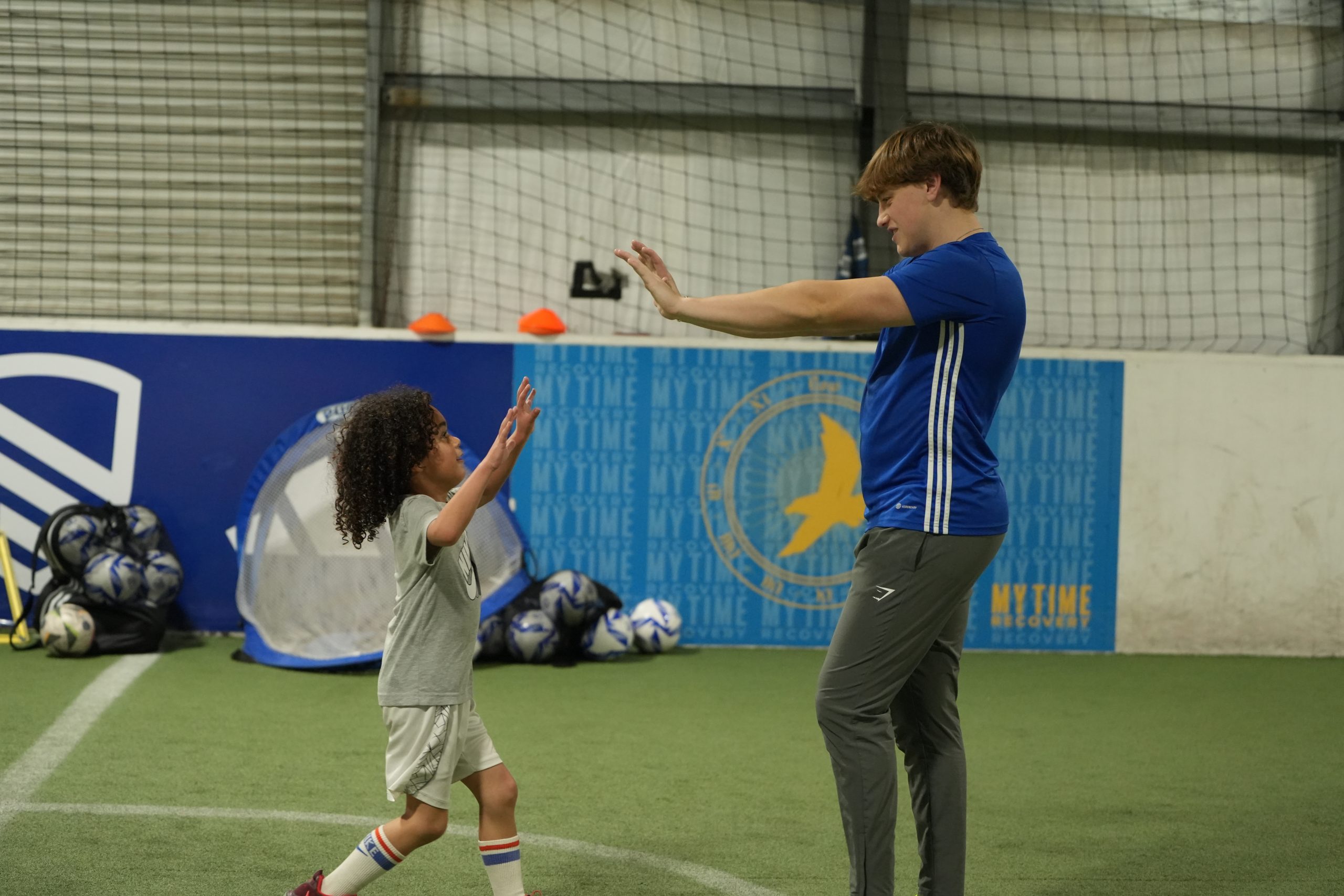
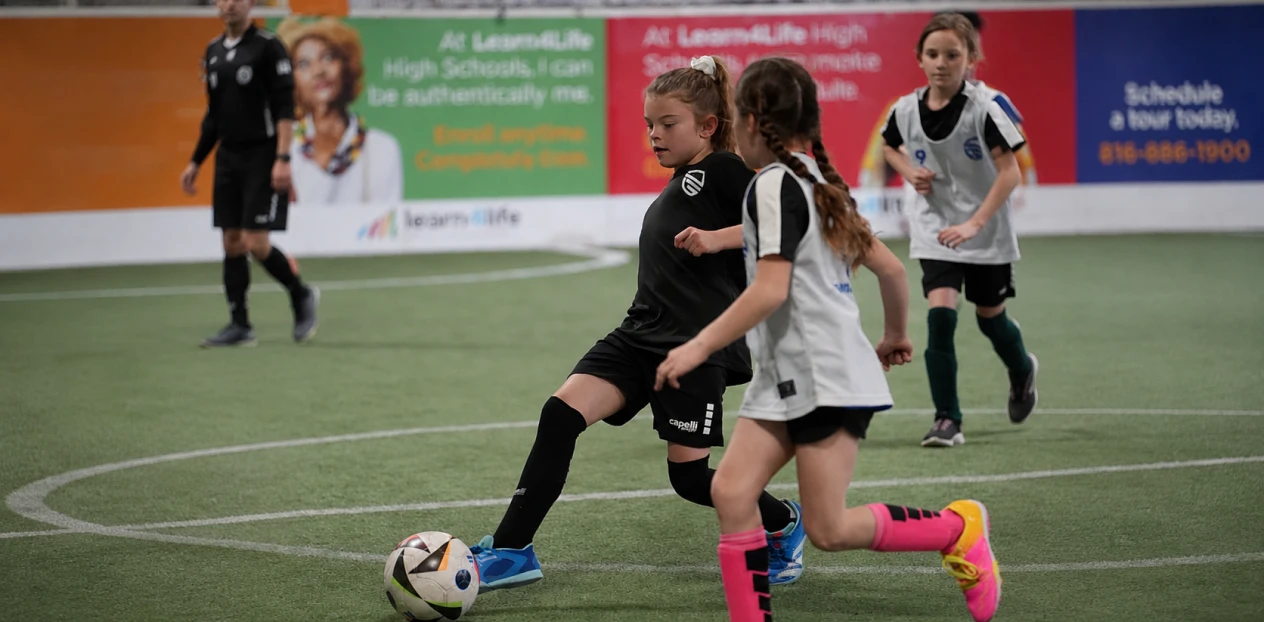
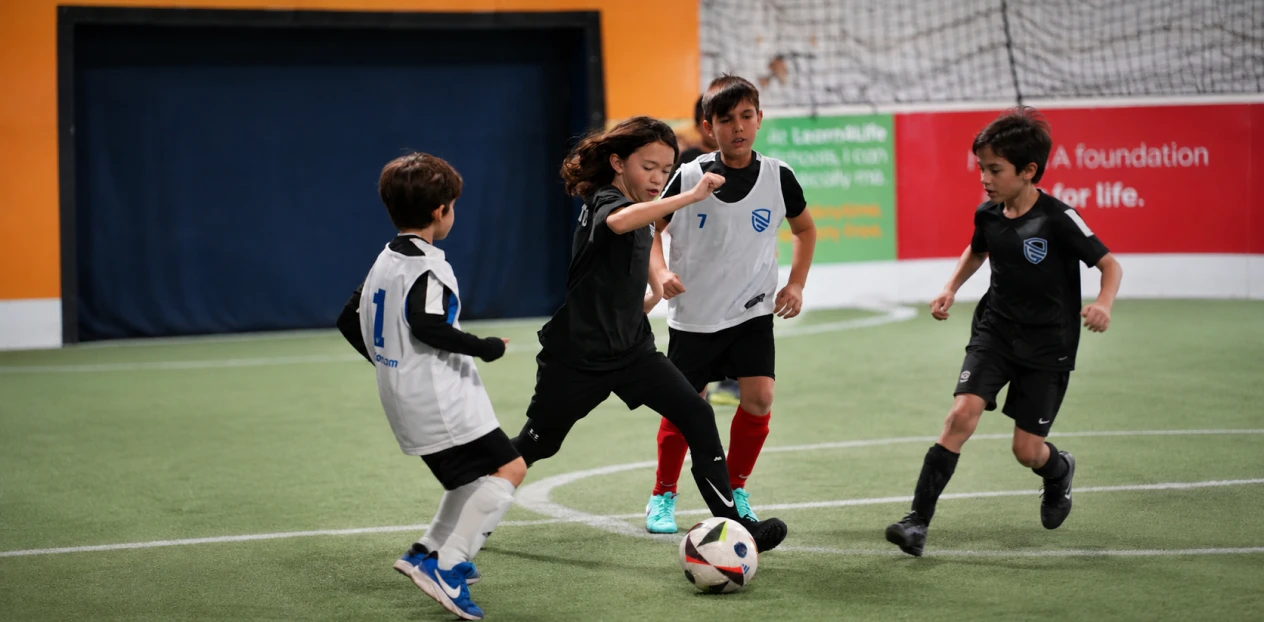
Winter sports for kids offer plenty of options for this. Activities like skiing, snowboarding, ice skating, and indoor swimming challenge balance and body control in ways a young athlete’s primary sport might not. Indoor soccer and pickup soccer are also common during the colder months, giving kids a lower-pressure way to stay sharp with the ball without the structure of a full outdoor season. Even indoor options like basketball or gymnastics can keep kids moving through the colder months without demanding the same intensity as their main season. The specific activity matters less than simply staying in motion.
This is also where the case for multi-sport participation comes in. Athletes who stay active across different activities during the off-season tend to come back to their primary sport more well-rounded, not less prepared.
Rest Still Matters
None of this is an argument against rest. Overtraining and burnout are real risks in youth sports, and pushing a child to train hard year-round with no real break is its own problem. The goal is not to fill every winter afternoon with structured activity. It is to avoid the two extremes: nonstop training on one end, and total inactivity on the other.
The sweet spot in the middle looks like unstructured play, lower-intensity cross-training, and enough variety that a child stays engaged without feeling like winter is just another season of pressure.
What a Smart Off-Season Actually Looks Like
A well-used off-season usually includes some combination of free play, a different sport or activity than the one played in-season, general movement like biking, swimming, or backyard games, and enough downtime that a child genuinely feels recovered by the time their next season begins.
The specifics will look different for every family and every kid, but the underlying idea holds across the board. Winter is not a pause button. It’s a different kind of active.
Frequently Asked Questions
Is it bad for kids to take time off from sports completely?
Taking time away from a specific sport is generally a good idea and can help prevent overuse injury and burnout. The distinction worth making is between stepping back from one sport and stopping all physical activity. Staying loosely active in other ways during the off-season tends to serve young athletes better than complete inactivity.
How much activity should kids do in the off-season?
There is no single right answer, since it depends on the child’s age, sport, and how demanding their in-season training has been. In general, off-season activity should be lower in intensity and pressure than in-season training, while still keeping the child moving regularly rather than going fully sedentary.
Does off-season training increase injury risk or reduce it?
Low-pressure, general movement during the off-season tends to reduce injury risk by keeping a young athlete conditioned heading into the next season. It is a long layoff followed by a sudden return to full training that tends to raise injury risk, not staying reasonably active in the meantime.
Explore HPA
Helping young athletes stay engaged and ready, in every season, is part of what coaching should be about. High Performance Academy’s programs are built around long-term athletic development, not just the season directly in front of a kid. If you are thinking about how to keep your young athlete active and prepared this winter, visit hpanation.com to see how HPA supports year-round growth.