
The short version: Kids can start playing soccer as young as two or three years old, but what that looks like at three is very different from what it looks like at seven or ten. The goal at the youngest ages is not skill development. It is movement, comfort with the ball, and learning to enjoy the game. Matching the program to the child’s age and readiness matters more than starting as early as possible.
Parents searching for soccer for 3 year olds are usually asking two questions at once: is my child old enough, and is this the right kind of program? The answer to both depends less on age than most people think, and more on what the program is actually designed to do.
Three-year-olds can absolutely play soccer. They just need a program built for three-year-olds, not a scaled-down version of something designed for older kids. This guide walks through what to expect at each stage, what a good early program looks like, and what the benefits are.
What age can kids start playing soccer?
Most youth soccer programs accept children starting at age three, and some welcome kids as young as two. There is no universal minimum age for the sport itself. What changes is the structure, the goals, and what a session actually looks like on the field.
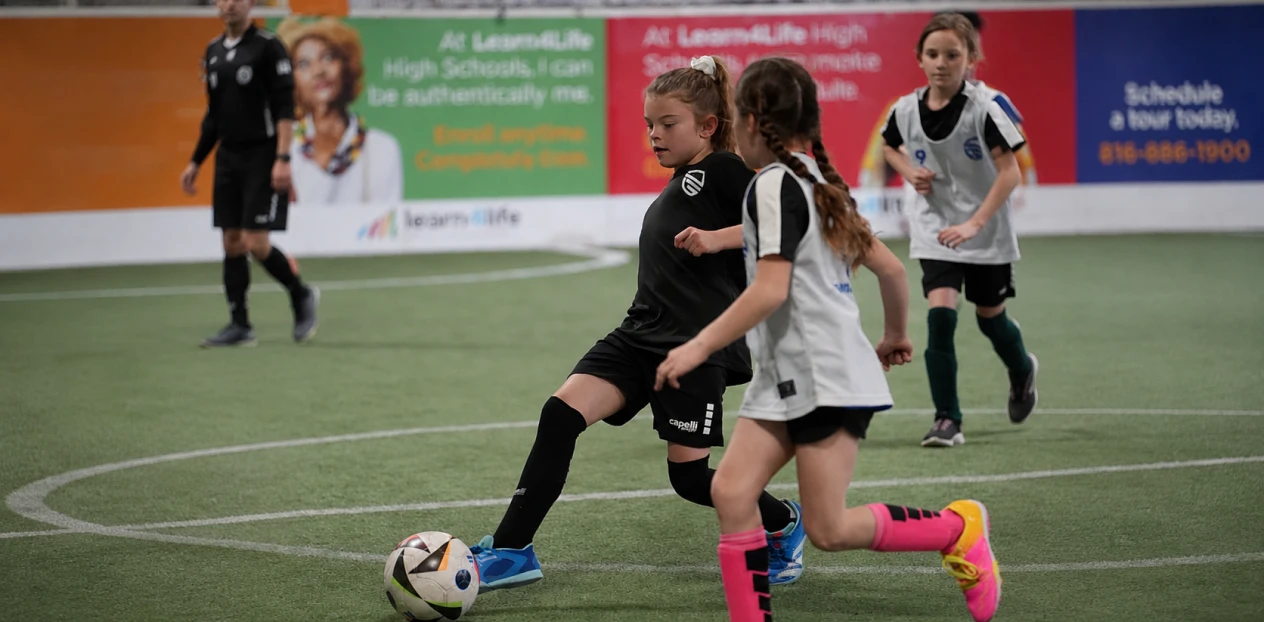
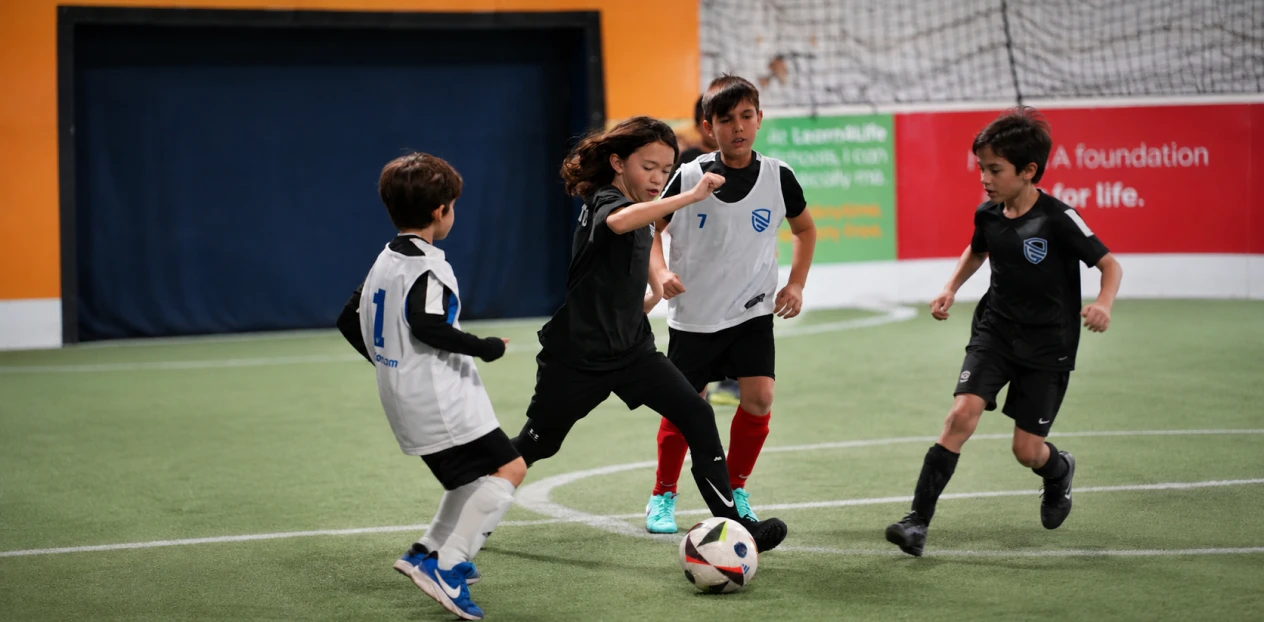
At two and three, soccer is mostly about movement and play. Children are introduced to a ball in a low-pressure, high-energy environment where the emphasis is on fun and basic coordination rather than rules or competition. At four and five, simple structure starts to appear. By six and seven, kids begin to develop real skills and can follow more organized drills and small-sided games.
The short answer: if your child is three and interested, there is a program out there designed for exactly that. The key is finding one built around their developmental stage.
What does soccer for 3 year olds actually look like?
This is the section most parent guides skip, and it is the most important one. Soccer for young children is almost nothing like the soccer parents picture when they imagine their child playing.
Here is what to expect from a well-designed program at this age:
- Short sessions. Most programs for this age group run 30 to 45 minutes. Attention spans at three are short, and a good program is structured to match that rather than fight it.
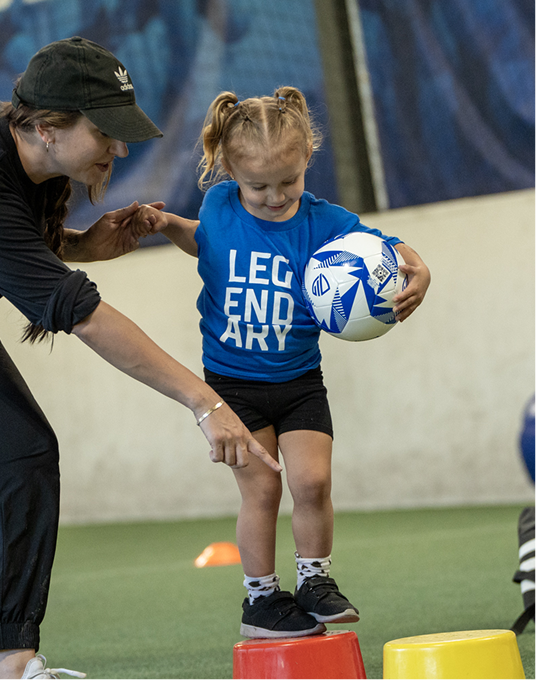
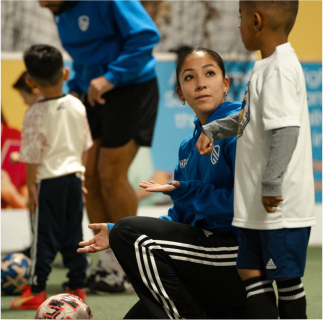
- Free movement with a ball. The primary goal is getting comfortable with the ball through dribbling, kicking, chasing, and exploring. There are no positions, no real rules, and no formations.
- Games over drills. Young children learn through play, not strict instruction. The best soccer programs for this age group use games and activities that build coordination without the kids even realizing they are working on skills.
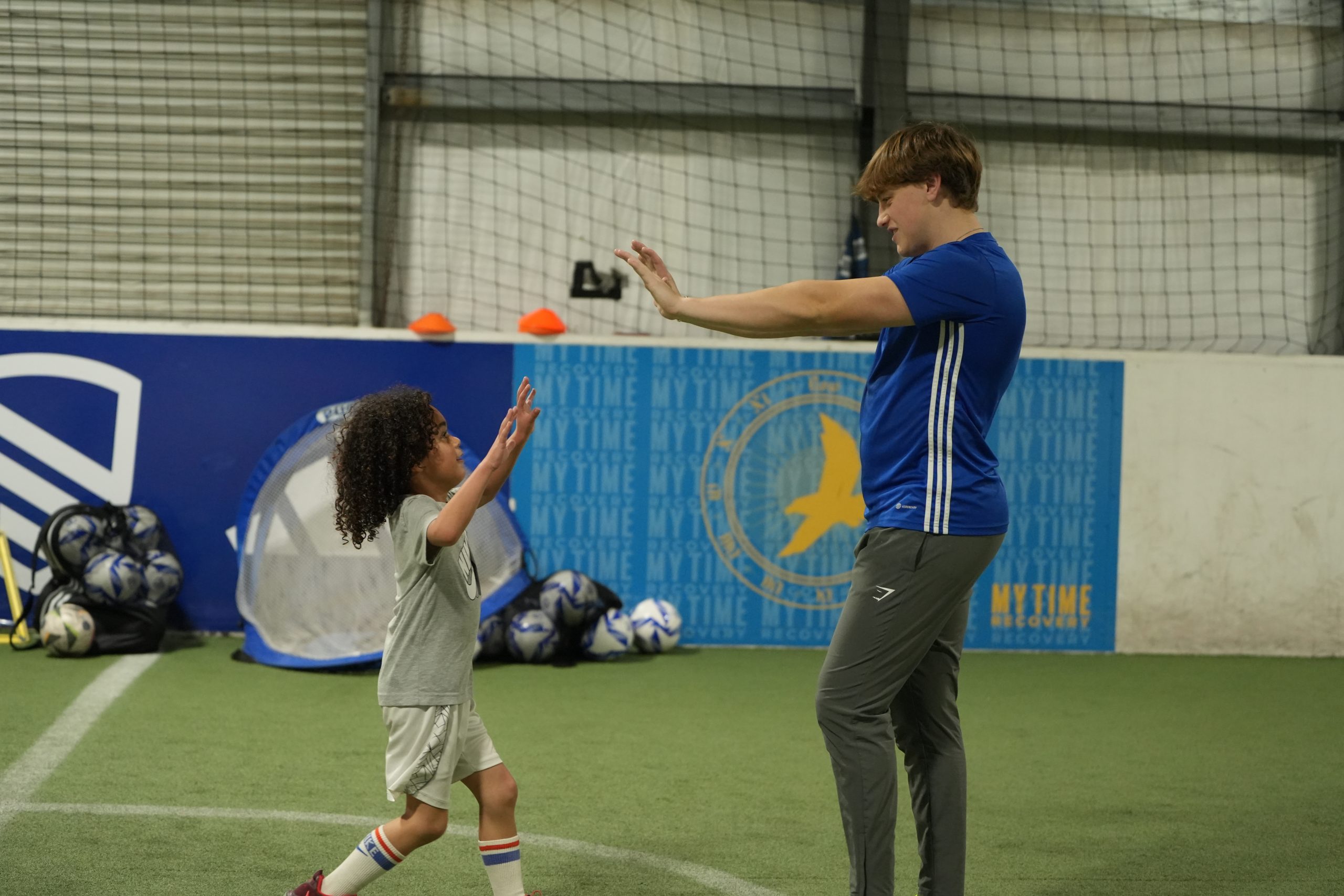
- Parent involvement. Many programs at this age encourage or require a parent or caregiver on the field, especially in the earliest sessions. This helps with transitions, comfort, and engagement for kids who are still warming up to group settings.
- Low competitive pressure. There are no scores, no standings, and no team tactics. Soccer for 3 year olds is about falling in love with the ball and feeling good about moving their body.
If a program for this age group feels overly structured, drill-heavy, or focused on technique over fun, it is probably not the right fit. The best early experiences in soccer are ones kids want to repeat.
What are the developmental benefits of soccer for young kids?
Starting soccer young, when the program is age-appropriate, offers real benefits beyond the sport itself.
- Gross motor development. Kicking, running, stopping, and changing direction all build coordination and body control in ways that carry over to every physical activity a child will do later.
- Social skills. Even the loosest structured soccer session asks young kids to share space, take turns, and interact with peers. For many children, a soccer class is one of their first experiences in a group activity outside of school or daycare.
- Following simple instructions. Listening to a coach, responding to basic cues, and participating in group activities are foundational skills that serve kids well far beyond the soccer field.
- Confidence and comfort with physical activity. Kids who have positive early experiences with movement and sport are more likely to stay active as they get older. Soccer for young children plants that seed.
None of this requires elite coaching or a competitive environment. It just requires a program that meets kids where they are and makes the experience worth coming back to.
What should you look for in a soccer program for young kids?
Not all youth soccer programs are designed the same way, and the differences matter more at the younger ages than at any other point. Here is what separates a strong program from a frustrating one for kids in the three to five age range:
- Session length that matches attention spans. Thirty to 45 minutes is appropriate for three-year-olds. Programs that run 60 to 90 minutes at this age are not designed with the child’s development in mind.
- A low coach-to-player ratio. More individual attention at this age makes a meaningful difference. Large groups with one coach can lead to chaos and disengagement. Smaller groups with attentive coaches lead to real development and genuine fun.
- Fun as a stated priority. A program that talks about winning, competition, or elite development for three and four-year-olds is telling you something important about its philosophy. Fun and belonging should come first at this age.
- Coaches who understand child development. Technical soccer knowledge matters less at this stage than the ability to engage, encourage, and read a room full of three-year-olds. Look for coaches who clearly enjoy working with this age group.
- A welcoming environment for beginners. For many kids, soccer is their first organized activity. The best programs are designed with that in mind and create entry points that feel easy, not intimidating.
Frequently asked questions
Can a 2 year old play soccer?
Some programs accept children as young as two, particularly introductory classes that focus on free movement and ball play with a parent or caregiver present. At this age, the experience is less about soccer and more about movement exploration. If you are considering soccer for a 2 year old, look specifically for programs that describe themselves as parent-and-child or toddler programs rather than standard youth leagues.
What is the best age to start soccer?
There is no single best age. Many families find that three or four is a natural starting point because kids at that age are physically active, socially curious, and receptive to new experiences. That said, kids who start at six or seven are not behind. What matters most is finding a program that matches where your child is developmentally, whether that is two or eight.
How long should soccer practice be for 3 year olds?
Most well-designed programs for this age run 30 to 45 minutes per session. That window is long enough for meaningful activity and short enough to keep energy and focus up throughout. Sessions longer than an hour at this age tend to result in disengagement and frustration for both kids and coaches.
What should I bring to my child’s first soccer practice?
Comfortable clothes they can move in, athletic shoes or cleats depending on the surface, a water bottle, and a positive attitude about whatever happens. First sessions are rarely polished. Kids may cling, wander, or spend half the time watching. That is completely normal for soccer for 3 year olds. Give it a few sessions before drawing any conclusions about fit.
Should I sign my 3 year old up for a team or a class?
For most three-year-olds, a structured class or introductory program is a better starting point than a team league. Classes at this age are designed around individual development and fun, with less emphasis on competition and group dynamics. Team leagues typically have more structure and expectations that can feel overwhelming for the youngest players. Once your child has a few sessions of experience and is clearly enjoying the game, a league environment may be a natural next step.
What if my child cries or refuses to participate at the first practice?
This is more common than most parents expect, especially with young kids. A reluctant first session does not mean the program is wrong or your child is not ready. Give it two or three sessions before reassessing. Staying calm, keeping your expectations low for the first session, and letting your child observe from the sideline if they need to are all reasonable approaches. Most kids warm up quickly once the environment feels familiar.
Explore HPA
At High Performance Academy, soccer programs are built around the principles covered here: age-appropriate structure, coaches who prioritize fun and belonging, and sessions designed to make kids want to come back. Explore HPA soccer programs here.