
Most school leaders have lived through this at least once. A new after-school vendor arrives with an impressive pitch and a promise that things will finally run smoothly this year. A few months in, the coaches keep changing, communication slows down, and the program starts to feel like one more thing the school has to manage rather than something that’s actually helping.
It’s a familiar pattern, and it points to something important. The success of an after-school program and partnership rarely comes down to just the activity itself. It comes down to how well the partnership is actually built and run day to day.
At HPA, we’ve spent years working inside schools across Fresno County, and that experience has taught us what separates a partnership that lasts from one that quietly falls apart by winter break. HPA is the Fresno County Superintendent of Schools’ (FCSS) primary contractor for sports-based expanded learning. Here’s what we’ve seen actually work, and what’s worth paying attention to before deciding who to bring onto your campus this year.
What Actually Makes a Partnership Successful
A great after-school partnership comes down to three things: alignment with a school’s real goals, reliable execution, and open communication that treats the school as a true partner rather than a client to manage.
Aligning with each school’s actual goals
No two campuses need the same thing. One school might be focused on reducing behavioral incidents during unstructured time. Another might be trying to boost attendance among a specific grade level, or give students a reason to stay engaged through the last period of the day. A partnership that starts with a generic program and applies it everywhere the same way is already starting on the wrong foot.
The stronger approach is for a provider to ask what a specific school is actually trying to solve, then build the program around that answer. That might mean structuring recess differently at one site and designing an after-school league at another. The program should follow the school’s goals, not the other way around.
Reliable implementation and consistent staffing
This is where most after-school partnerships quietly break down. A program can look great in a proposal and still fail if staffing is inconsistent, coaches rotate too often, or communication with site administrators becomes an afterthought once the contract is signed.
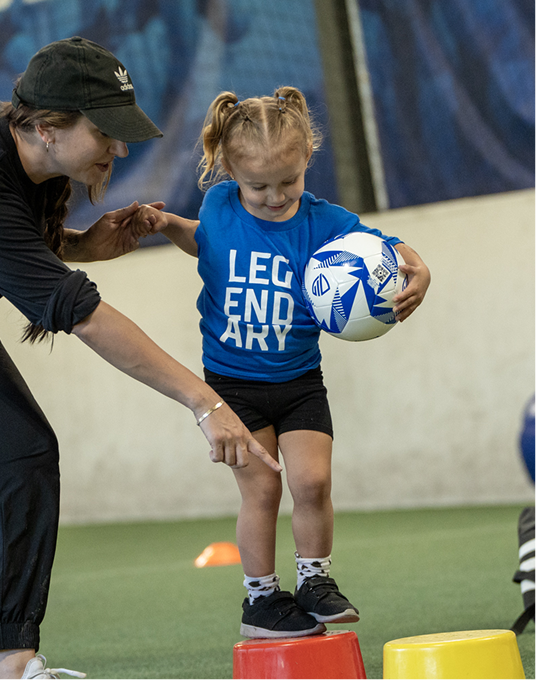
Consistency builds trust in a way that no amount of curriculum design can replace. When the same coaches show up week after week, students recognize them, relationships form, and the program becomes part of the rhythm of the school day. For principals and site administrators, that consistency also means one less thing to manage and worry about.
Communication as the foundation, not an afterthought
Strong partnerships are built on clear, ongoing communication between coaches, school staff, and district leadership. That means regular check-ins, a clear point of contact when issues come up, and a willingness to adjust when something isn’t working. Districts shouldn’t have to chase down updates or wonder how a program is actually performing on the ground. A good partner keeps that line open without being asked.
Why Sports Support the Outcomes Districts Already Care About
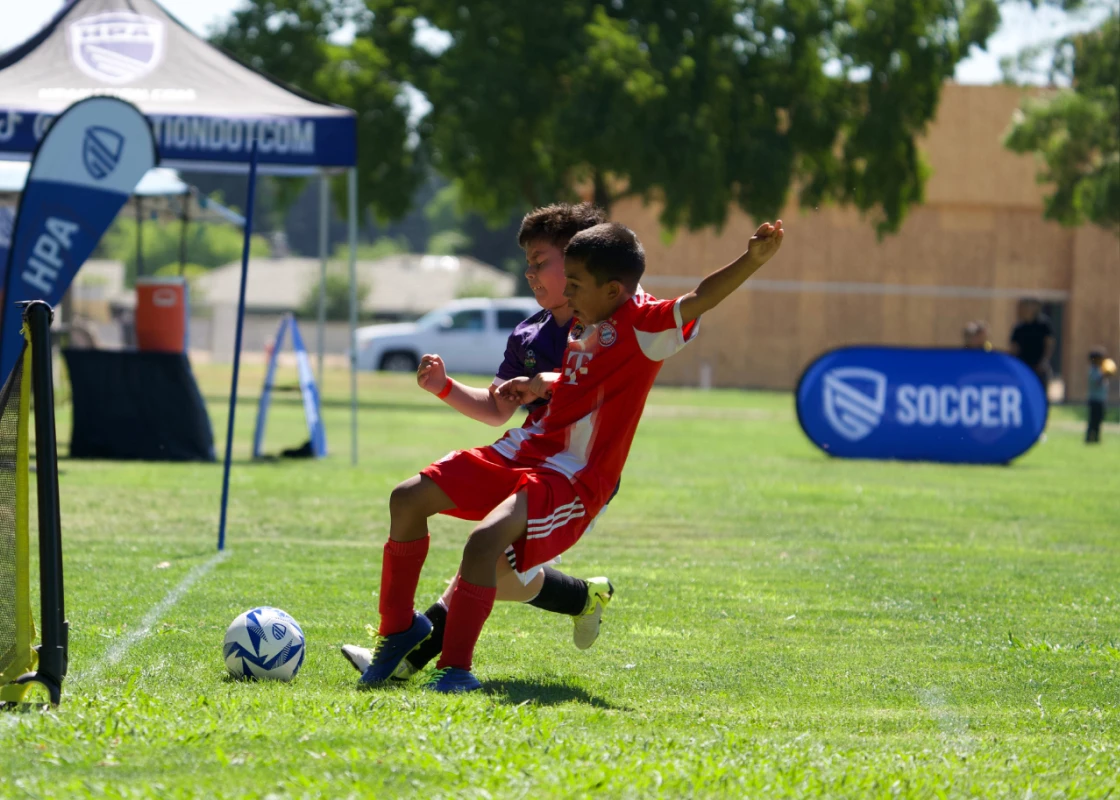
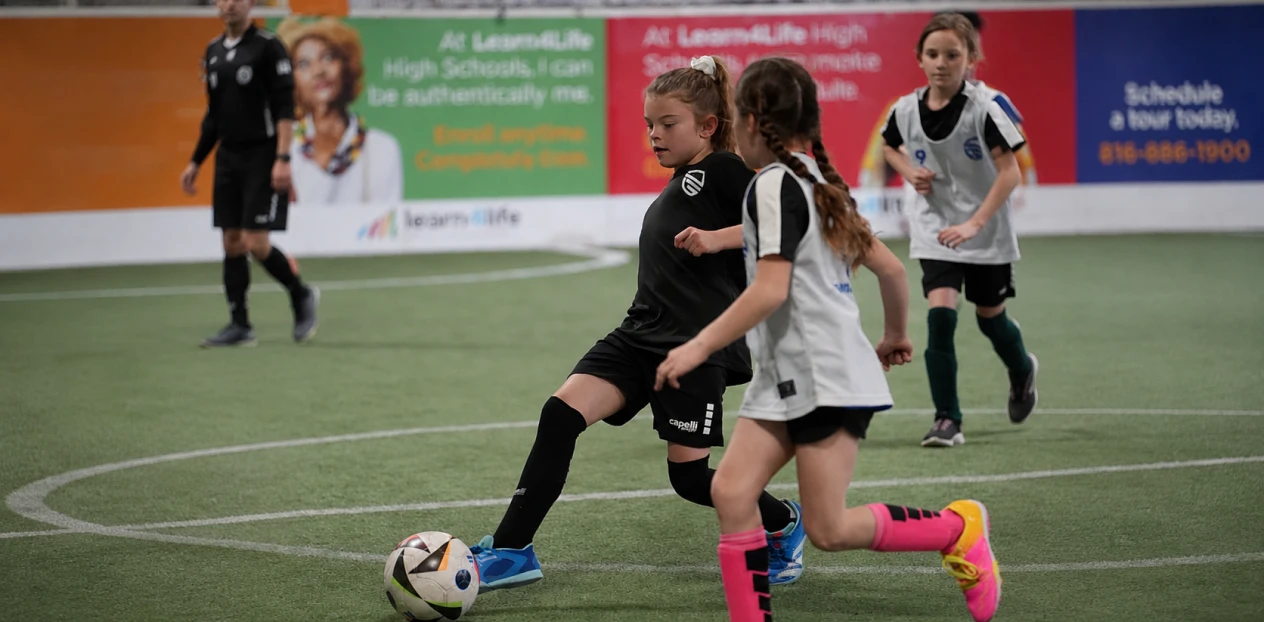
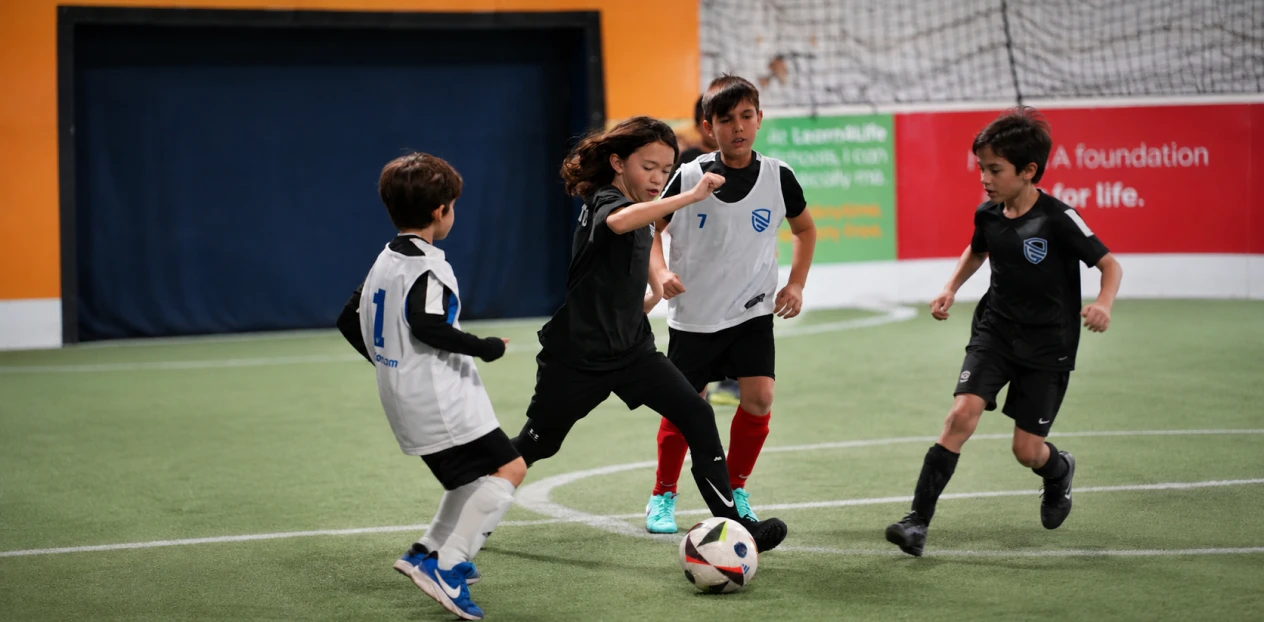
Movement based programming is not just a way to fill unstructured time. When it’s implemented well, it supports the same outcomes districts are already working toward: confidence, teamwork, a sense of belonging, and overall student engagement.
At Fort Miller Middle School in Fresno Unified, a lunchtime sports program has given students something to look forward to during the school day, with coaching support from HPA. The school’s principal described the effect as giving students a structured, focused outlet during a part of the day that can otherwise be difficult to manage, and the program has also helped some students work through conflicts with peers by giving them a shared, positive activity.
It’s a small example in the scope of a much larger investment, but it illustrates something worth remembering. Structured movement time, when it’s consistent and well run, can support behavior, engagement, and connection in ways that go beyond simply keeping students busy.
The Strongest Partnerships Keep Evolving
A partnership that works in year one shouldn’t be expected to look identical in year three. Students needs shift, staff changes, and a school’s priorities evolve. Across Fresno County, the strongest after-school partnerships are the ones built to grow alongside those changes rather than staying locked into whatever was agreed upon at the start.
That means regular conversations about what’s working, what isn’t, and what a school might need next. It means being willing to adjust programming as a site’s goals shift, rather than treating the original contract as the final word. A partnership that can’t evolve eventually becomes a program a school outgrows.
Frequently Asked Questions
What does it mean that HPA is FCSS approved?
HPA is the Fresno County Superintendent of Schools’ primary contractor for sports-based expanded learning, which means FCSS districts and school sites can bring HPA on board without a lengthy new vendor vetting process.
What makes an after-school partnership successful long-term?
Long-term success typically comes down to aligning programs with each school’s specific goals, maintaining consistent staffing and reliable implementation, and keeping communication open between coaches, school staff, and district leadership.
How does HPA adapt programs for different school sites?
HPA builds programs around what each individual school is trying to solve, whether that’s structuring recess differently, designing an after-school league, or adjusting programming as a site’s goals change over time.
HPA: A Partner That Understands Fresno County Schools
None of this is theoretical for HPA. It’s shaped by years of working directly inside schools across Fresno County, adjusting programs to fit what each site actually needs, and building the kind of consistency that earns trust over time. That experience, combined with HPA’s standing as FCSS’s primary contractor for sports-based expanded learning, means schools can bring HPA on board without the lengthy vendor vetting process that usually comes with a new provider.
If your district is exploring what a stronger after-school partnership could look like, we’d welcome the chance to talk about what that might mean for your school. Explore HPA Pathways to see what that partnership could look like on your campus.