
Every parent asks the question at some point. What is the best sport for my kid?
It usually starts with the best of intentions. A child shows interest in soccer, basketball, baseball, or gymnastics, and families want to know which one will help them thrive. Which one will build the most skill, the most confidence, the most long-term opportunity.
After years of working with young athletes and families at High Performance Academy, the answer we have come to trust is this: the best sports for kids are rarely a single sport. The right mix, at the right age, almost always beats the perfect pick.
What is the best sport for kids?
There is no single best sport for kids. The right choice depends on a child’s age, interests, and stage of development, and almost always involves a mix of sports rather than one early pick. Variety builds stronger athletes, happier kids, and longer sports careers than early specialization in any one sport.
The instinct to find the best sport for your child comes from a real place. Time is limited, schedules are full, and most families want to invest where it counts. The problem is that “best” assumes a single answer when the reality is much more individual.
What is best for a six-year-old is different from what is best for a twelve-year-old. What is best for a naturally social kid is different from what is best for a quieter one. And what looks like the best sport in second grade often is not the one a child falls in love with by sixth.
A better question is this: what mix of sports will help my child build skill, stay engaged, and grow into a confident athlete and person?
What skills do different sports teach kids?
Each sport teaches a different set of skills, which is exactly why variety matters so much during childhood. Most youth sports fall into a few key categories of development:
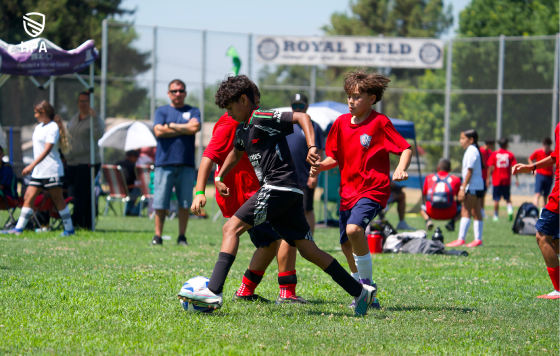
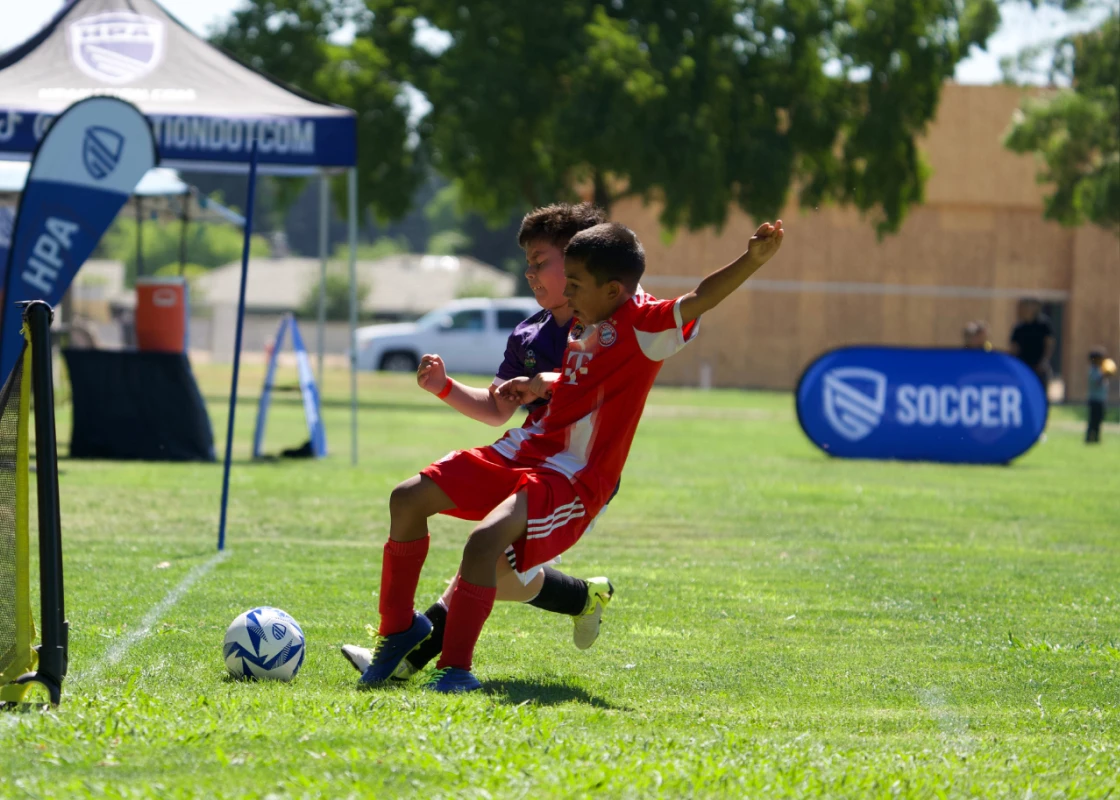
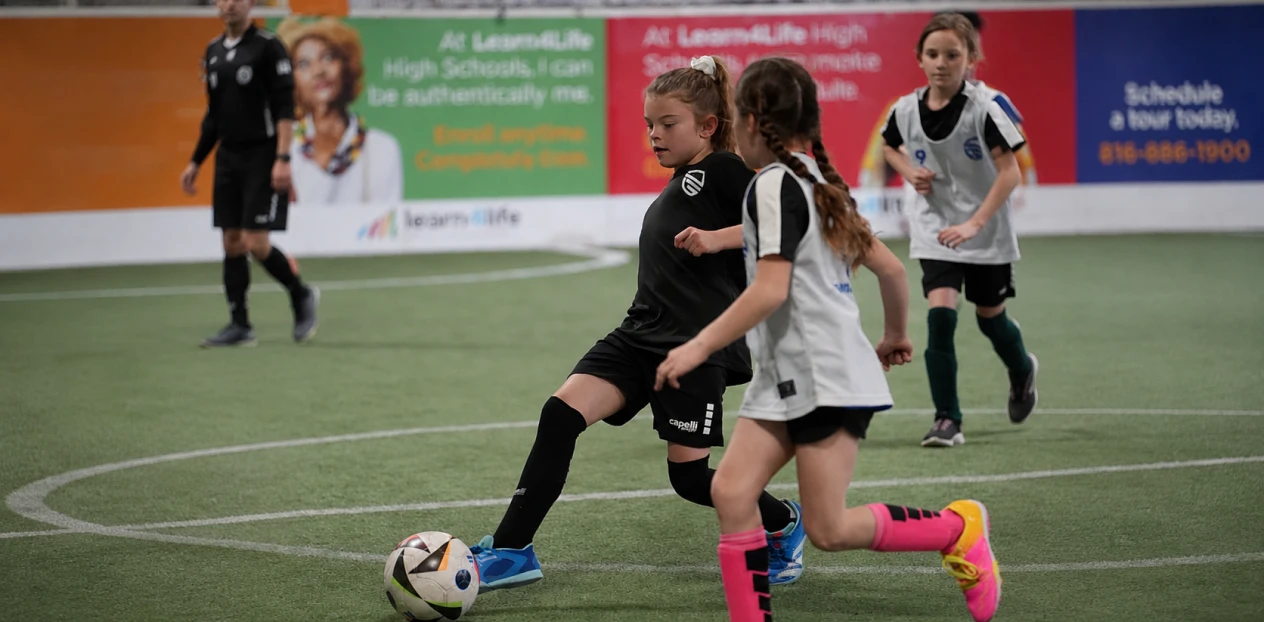
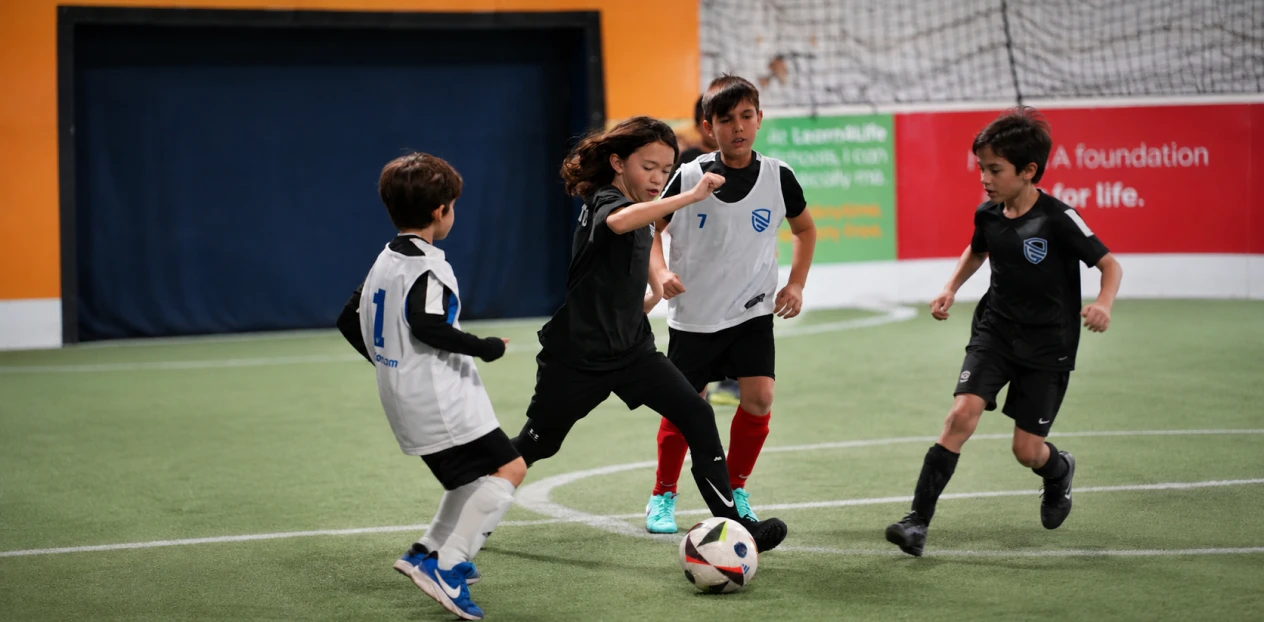
- Soccer develops endurance, teamwork, and constant decision-making, and stays accessible across nearly every age and skill level
- Flag football builds leadership, strategy, accountability, and collaboration through structured competition
- Basketball develops confidence, quick decision-making, and resilience under pressure
- Volleyball reinforces communication, trust, encouragement, and shared responsibility in a cooperative team setting
- Yard games and cooperative play maximize inclusion, build coordination, and introduce movement in low-pressure, high-participation ways
A child who plays only one of these gets one slice of the picture. A child who experiences several builds a broader athletic and personal foundation that supports whichever direction they ultimately choose.
Should kids play multiple sports or specialize early?
Most youth development experts recommend that kids play multiple sports through childhood and into early adolescence. Multi-sport participation is consistently linked to better overall athleticism, lower risk of overuse injuries, and longer engagement in sports compared to early specialization.
Variety also keeps childhood fun. The same sport every day, all year, can wear down even the most passionate young athlete. Different teams, different coaches, different teammates, and different challenges keep things fresh and protect the love of the game that fuels long-term growth. A well-chosen summer camp is one of the easiest ways to give kids that kind of structured variety in a short window.
For most kids under twelve, the goal is not mastery of one sport. It is building a confident, capable, curious athlete who is excited to keep playing.
What are the best sports for kids by age?
The best sports for kids depend largely on age and developmental stage. A loose framework that works for most families:
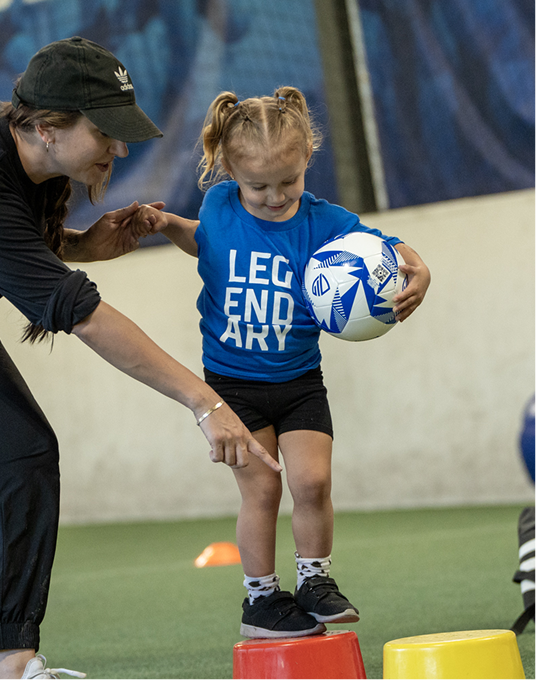
- Ages 2-7: Focus on fun, movement, and exposure. Introductory soccer, yard games, and cooperative play help kids build coordination and confidence with their bodies in low-pressure environments.
- Ages 8 to 11: Introduce structured team environments and a wider variety of sports. This is the ideal window to try soccer, flag football, basketball, and volleyball before any pressure to specialize sets in.
- Ages 12 and up: Most kids start naturally gravitating toward one or two sports they love. This is when competitive leagues and more focused skill development step up, but variety still has real value.
The goal at every stage is the same: keep movement fun, keep skills broad, and keep doors open. Quality youth development programs make this easier by exposing kids to multiple sports and coaching styles at every stage.
How do you know when your child has found the right sport?
A child who has found their sport will usually show it without being asked. The clearest signs include:
- They talk about it without prompting
- They want to practice on their own time
- They light up after games, even when their team loses
- They ask about the next season before the current one ends
When that happens, lean in. Encourage it. Support it. But resist the temptation to drop everything else. The best athletes, and the happiest kids, almost always keep a second or third sport in their lives even after they have found their primary one.
How does HPA help kids find the right mix of sports?
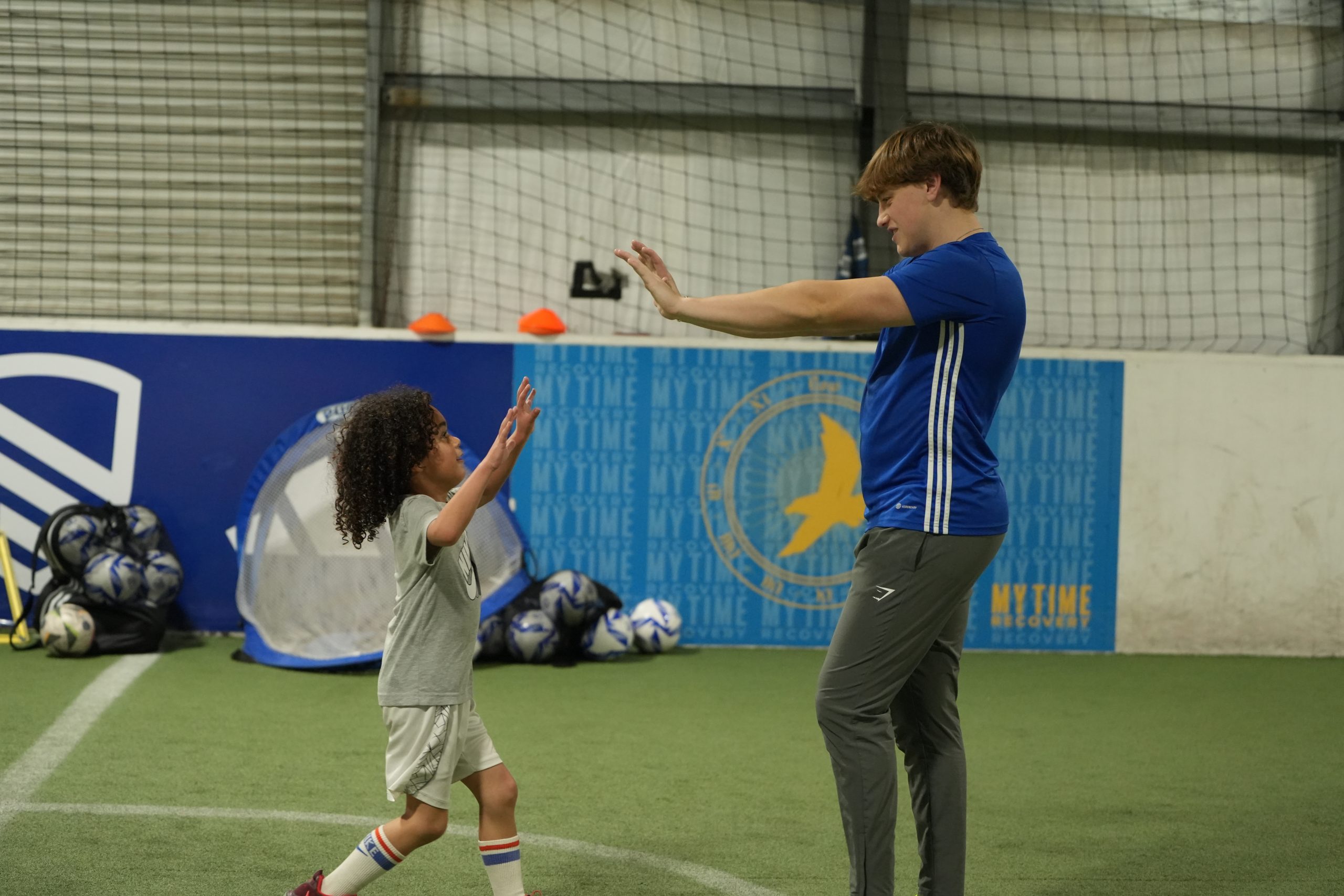
Our programs are built around the belief that young athletes thrive when they have room to explore. From soccer classes and youth leagues to flag football, basketball, volleyball, and seasonal camps, our coaches create environments where kids can try, grow, and find what they love at their own pace.
Our approach includes:
- Age-appropriate programming that meets kids where they are
- Multi-sport exposure that builds well-rounded athletes
- Positive coaching that prioritizes confidence and effort
- A community where families feel supported and kids feel known
The best sport for your child might be the one they have not tried yet. Explore our summer camps and find out what they love.