
The short version: Getting better at soccer comes down to a small set of repeatable habits, extra touches on the ball, real game reps, and honest feedback, done consistently over time. This guide breaks down what actually helps a player improve, what tends to get in the way, and how parents can support that growth without pushing too hard or stepping back too far.
Every parent standing on the sideline has asked some version of the same question. How does my kid actually get better at this? The answer is rarely as complicated as it feels in the moment. Improvement in soccer follows a pretty predictable pattern, and most of it has nothing to do with natural talent.
This guide walks through what really moves the needle for a young player, the habits that quietly slow progress down, and what a supportive role looks like for parents who want to help without taking over.
Why “Getting Better at Soccer” Is More About Habits Than Talent
It’s tempting to sort young players into “naturals” and “everyone else.” But most of what looks like natural ability is really just accumulated repetition. The kids who look effortless on the ball could have thousands more touches behind them than the kids who don’t.
That reframe matters because it changes what’s actually in a family’s control. Talent isn’t something you can build a plan around. Habits are. The rest of this guide treats improvement as a set of inputs a player and their family can actually influence, not a trait some kids have and others don’t.
What Actually Helps a Young Player Improve?
A few things show up consistently across players who improve quickly, regardless of age or starting skill level.
Touches on the Ball Outside of Practice
Structured practice matters, but the players who improve fastest tend to get extra reps in on their own, whether that’s juggling in the backyard or dribbling around cones in the driveway. Skill with the ball is built through drills and repetition, and most of that repetition has to happen outside the one or two practices a week a typical program offers.
Small-Sided Games Over Large-Sided Ones
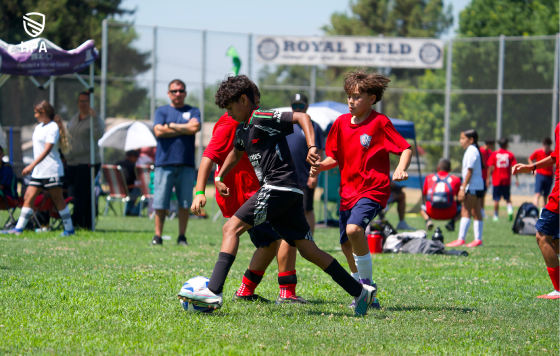
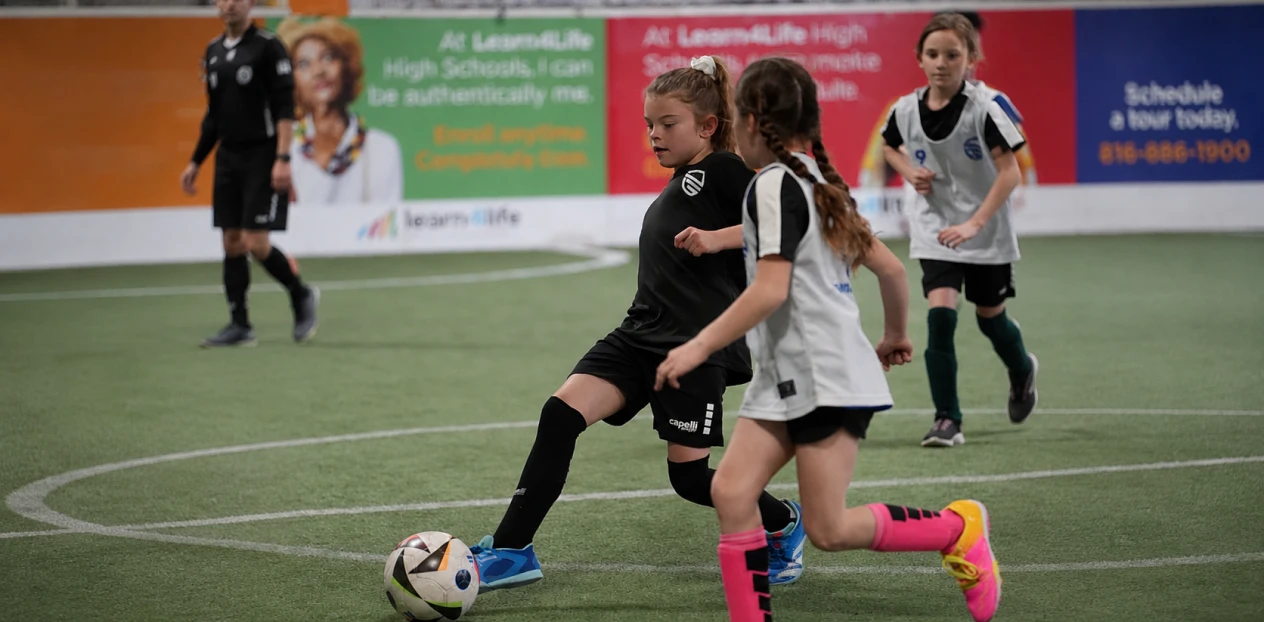
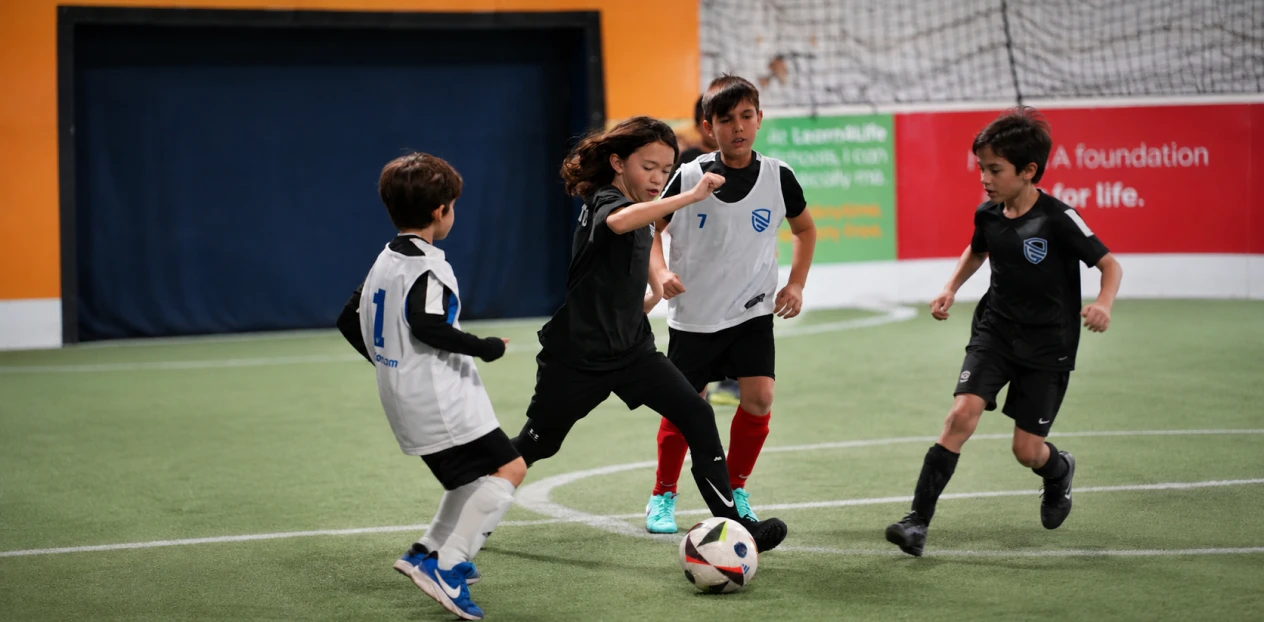
Fewer players on the field means the ball comes to each player more often, and more touches mean more real decisions: pass, dribble, or shoot. It’s part of why youth soccer standards shift toward smaller formats like 4v4 at the younger age groups. A kid standing in space during an 11v11 game might touch the ball a handful of times all match. That same kid in a 4v4 game is involved constantly.
Game Understanding, Not Just Technical Skill
Being able to strike a ball cleanly matters, but knowing where to be, when to make a run, and how to read the play in front of you often separates good players from great ones. That kind of understanding gets built through playing, not drilling.
Consistency Over Intensity
Younger players tend to benefit more from shorter, more frequent sessions than from occasional long ones. A little time with the ball spread across most days adds up to more real practice, and more chances to actually retain what’s being worked on, than a single long session once a week.
Common Mistakes That Slow Progress
Just as important as knowing what helps is knowing what quietly gets in the way.
- Only touching the ball during practice. If practice is the only time a player touches a ball, progress will always be slow, no matter how good the coaching is.
- Overemphasis on one skill. Shooting is fun to practice and satisfying to see improve, but a player who only works on shooting develops unevenly. Passing, first touch, and defending all deserve attention too.
- Comparing progress to other kids. Every player develops on their own timeline. A player who looks behind a teammate at eight can easily be ahead of them at twelve. Tracking a child’s own growth matters more than sizing them up against the roster.
- Early specialization. Playing one sport year-round, especially at a young age, is often framed as the fastest path to improvement. It usually isn’t. Kids who play multiple sports tend to develop broader athletic skills and stay in sports longer, while single-sport specialization at a young age is more closely associated with burnout.
How Parents Can Support Improvement (Without Taking Over)
The parent’s role in a young player’s development is real, but it’s easy to get the shape of it wrong in either direction.
- Make low-pressure practice at home the norm. A ball in the backyard, no coaching commentary required, does more for skill development than most parents realize.
- Ask about process, not just outcome. “What did you try out there?” opens up a very different conversation than “Did you win?” One builds a player who thinks about their own game. The other just tracks a scoreboard.
- Let coaches coach. It’s tempting to call out instructions from the sideline, especially when you played the sport yourself. Resist it. Kids need one voice to listen to during a game, and it should be their coach’s.
- Notice effort and improvement, not just performance. A kid who tries a new move and loses the ball is doing exactly what they should be doing. Praise the attempt, not just the result.
What a Strong Training Environment Looks Like
Habits and support at home matter, but the environment a player trains in day to day matters just as much.
The strongest programs share a few things in common:
- Practices are built around a clear purpose rather than filling time
- Coaches design sessions that force players to make decisions, not just repeat a move in isolation
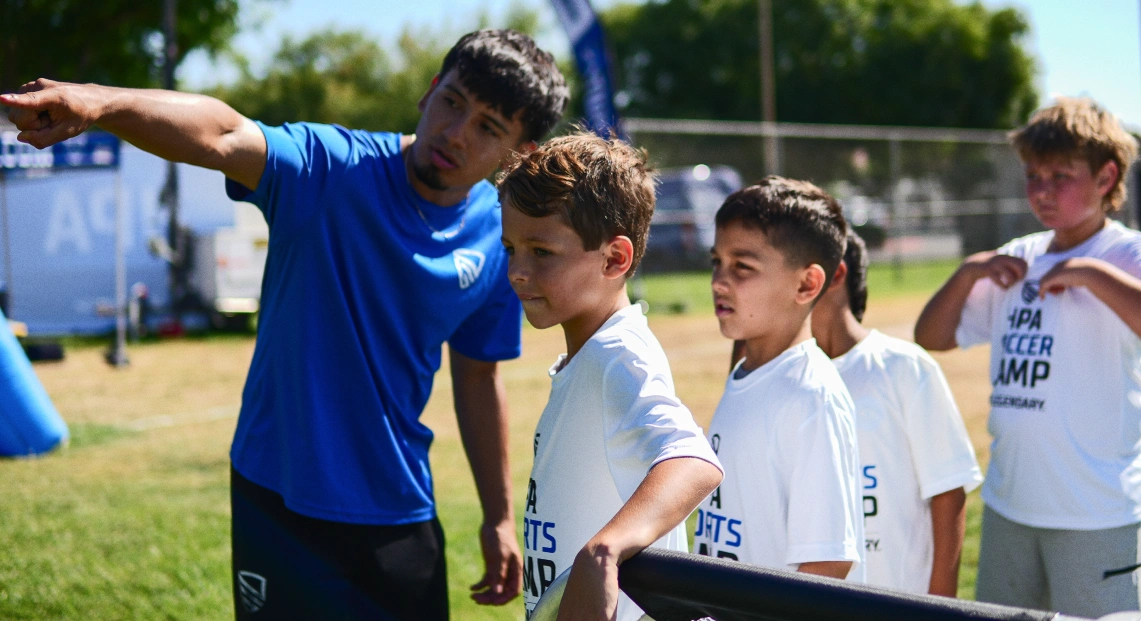
- Repetition comes paired with feedback, so players aren’t just running through motions, they’re actually correcting and refining as they go
That combination, structure, decision-making, and real coaching feedback, is what turns practice time into actual improvement.
A Simple Framework for Getting Better, Week to Week
For families looking for something concrete to start with, a few habits go a long way:
- A few minutes of ball touches most days, even without a formal training session
- One small-sided game or pickup session a week, where decisions matter more than drills
- One honest conversation after a game focused on what was tried, not just what happened on the scoreboard
- A regular practice schedule with a program that builds in structure and feedback, not just repetition
None of it needs to be complicated. Consistency is doing more work here than any single drill.
Frequently Asked Questions
How can I get better at soccer at home?
The most effective at-home habit is simply getting extra touches on the ball, through juggling, dribbling through cones, or short passing drills against a wall. Consistency matters more than length of session. A few minutes most days will do more for a young player’s skill than an occasional long session.
What is the best way for a young player to improve quickly?
There’s no real shortcut, but the fastest path tends to combine three things: frequent ball touches outside of formal practice, exposure to small-sided games that demand quick decisions, and honest, specific feedback from a coach or parent. Players who get all three tend to progress faster than players relying on team practice alone.
Does watching soccer help you get better?
Watching soccer, especially with some attention to positioning, spacing, and decision-making rather than just the score, can build a player’s game understanding. It’s not a substitute for playing, but it can sharpen how a player reads the game once they’re back on the field.
How many times a week should a young player practice?
This varies by age and program, but most young players benefit from more frequent, shorter touches on the ball rather than infrequent, longer sessions. Team practice schedules vary by program, and additional informal touches at home can supplement whatever a team’s schedule already provides.
Is it bad to only play one position?
Not necessarily, but younger players in particular tend to benefit from experience in multiple positions. Playing different roles builds a more complete understanding of the game and helps identify where a player’s strengths actually fit, rather than locking that in too early.
Explore HPA
At High Performance Academy, training is built around the same principles covered here: structured sessions with a clear purpose, coaches who build in real decision-making, and feedback that actually helps players improve, not just repeat. If you’re looking for a program built to help your child actually get better at soccer, you can find program details and register at hpaclovis.com.