
Summer is long. By week three, the screens are winning, “I’m bored” is part of every conversation, and most parents start hunting for summer camps hoping to find something that keeps their kid active, engaged, and growing without becoming a logistical nightmare.
The good news is that the right camp can do all of that. The harder part is figuring out which camps actually deliver on what they promise.
Are summer camps for kids actually worth it?
Yes, when chosen well. The strongest summer camps for kids do three things parents consistently report as valuable:
- Keep kids physically active and off screens for the bulk of the day
- Build real friendships and social skills outside of school
- Develop confidence, independence, and real skills that carry into the school year
Research on summer programming consistently links high-quality camps to better social-emotional development, stronger confidence, and a smoother transition back to school in the fall. The key word is “high-quality.” A camp that just supervises kids until pickup is babysitting. A camp that actually develops them is something else entirely. Choosing well is what separates the two.
What do kids actually gain from a great summer camp?
The best summer camps for kids deliver on several fronts at once:
- Physical activity and confidence with their bodies
- New friendships outside of their school circle
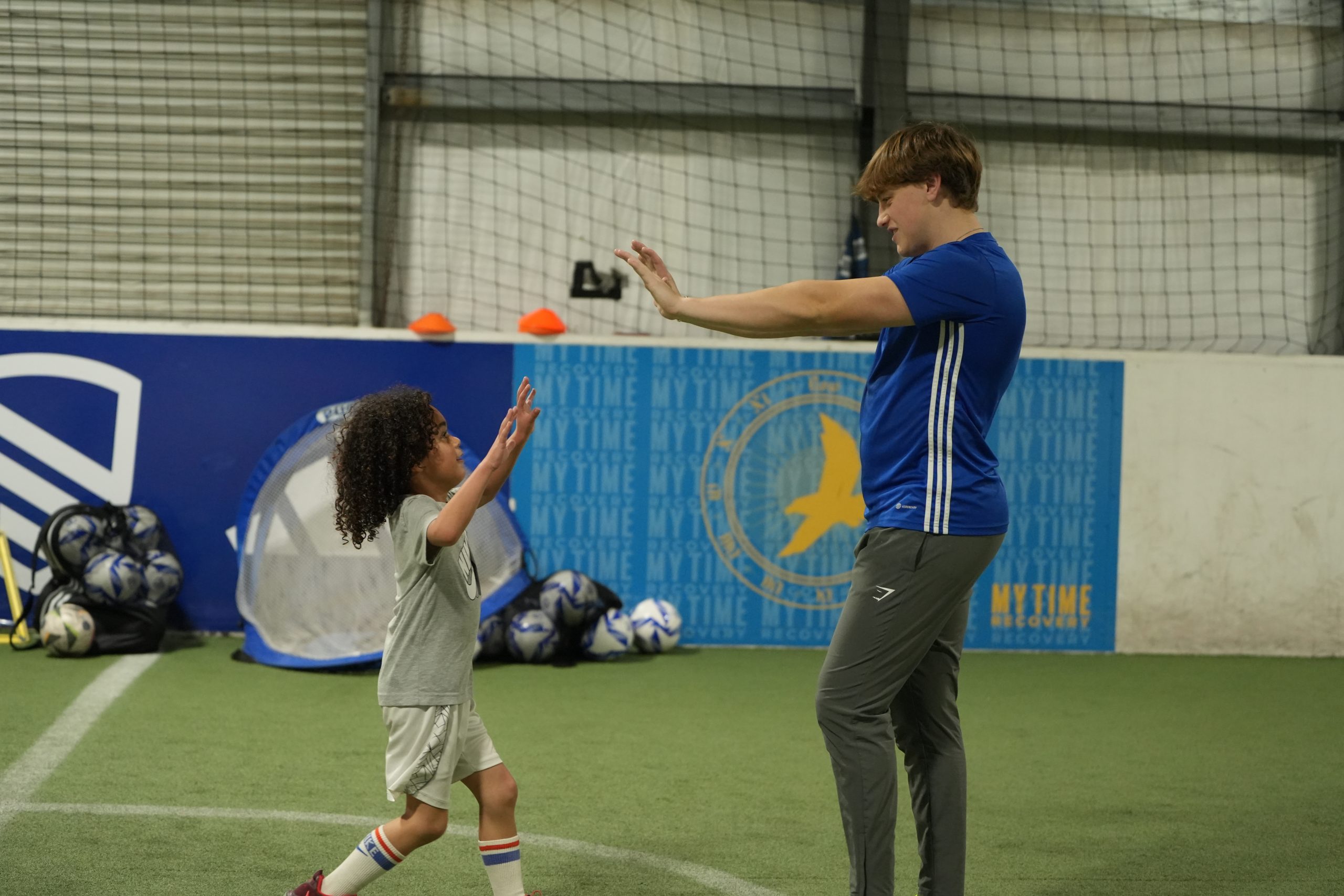
- Mentorship from coaches and counselors who are not their parents or teachers
- A break from screens and structured academics
- Skill development in something they care about
- A real reset before the next school year
The kids who come home tired, a little dirty, and already asking about next summer are usually the ones who got the most out of camp.
What should parents look for in summer camps for kids?
When you’re evaluating a camp, five things matter more than anything else:
- Coach and counselor quality. Who is actually with your child each day? What’s their training and experience? What’s the ratio?
- Structure of the day. Is there a real plan, or just open time? Look for a balance of skill building, play, and downtime.
- Programming variety. Camps that mix activities (sports, games, creative time) usually keep kids engaged better than single-focus camps, especially for younger ages.
- Safety and supervision. Background checks, clear ratios, emergency plans, easy communication with parents.
- Word of mouth. The best camps in your area are usually the ones other parents bring up without being asked.
If a camp can’t answer any of these clearly, that tells you something on its own.
How do you pick the right summer camp for your child?
The right camp depends on age, interests, and what your kid needs from the summer:
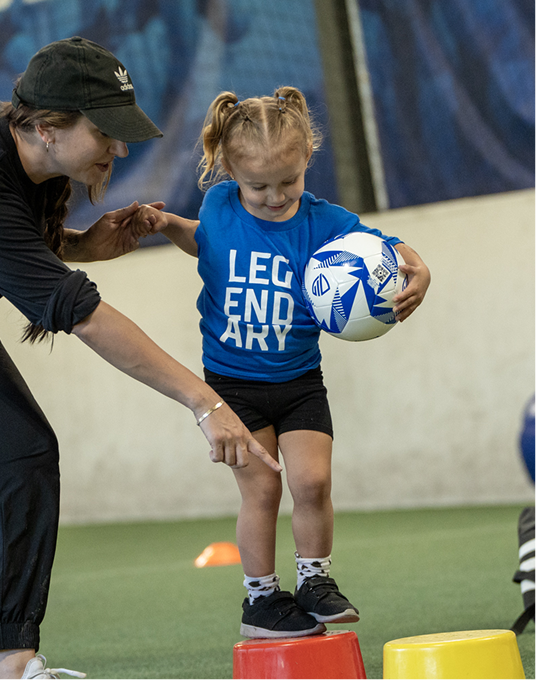
- Ages 4 to 7: Look for high adult-to-child ratios, variety, and a focus on play. Half-day or short-day camps are usually the right starting point.
- Ages 8 to 11: This is the sweet spot for full-day, activity-rich camps. Soccer camps, multi-sport camps, and skill-building camps all land well at this age.
- Ages 12 and up: Specialized camps that go deeper into one interest tend to work best. By this age, kids usually know what they want to do.
If your child needs more social connection, prioritize camps with consistent peer groups across the summer. If they need more activity, lean into sports and movement. If they need both, find a camp that builds both into the day.
What are red flags to watch for?
Not every camp delivers. Common warning signs:
- Vague answers about staff training or ratios
- No daily structure or sample schedule available
- High turnover in counselors year to year
- Reviews that focus on logistics (“convenient pickup”) rather than what kids actually did
- Marketing that’s all about the parents (cost, hours, location) and nothing about how kids grow
Trust your gut. If a conversation with the camp feels transactional rather than like they care about your kid, that’s usually a real signal.
How HPA approaches summer camps for kids
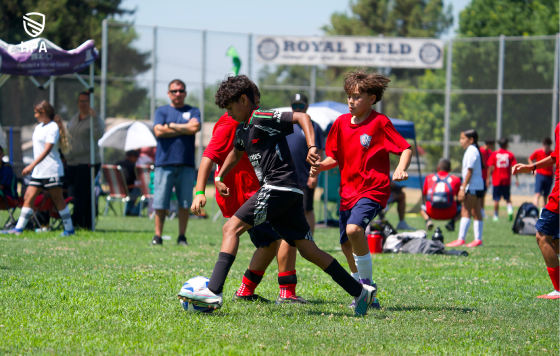
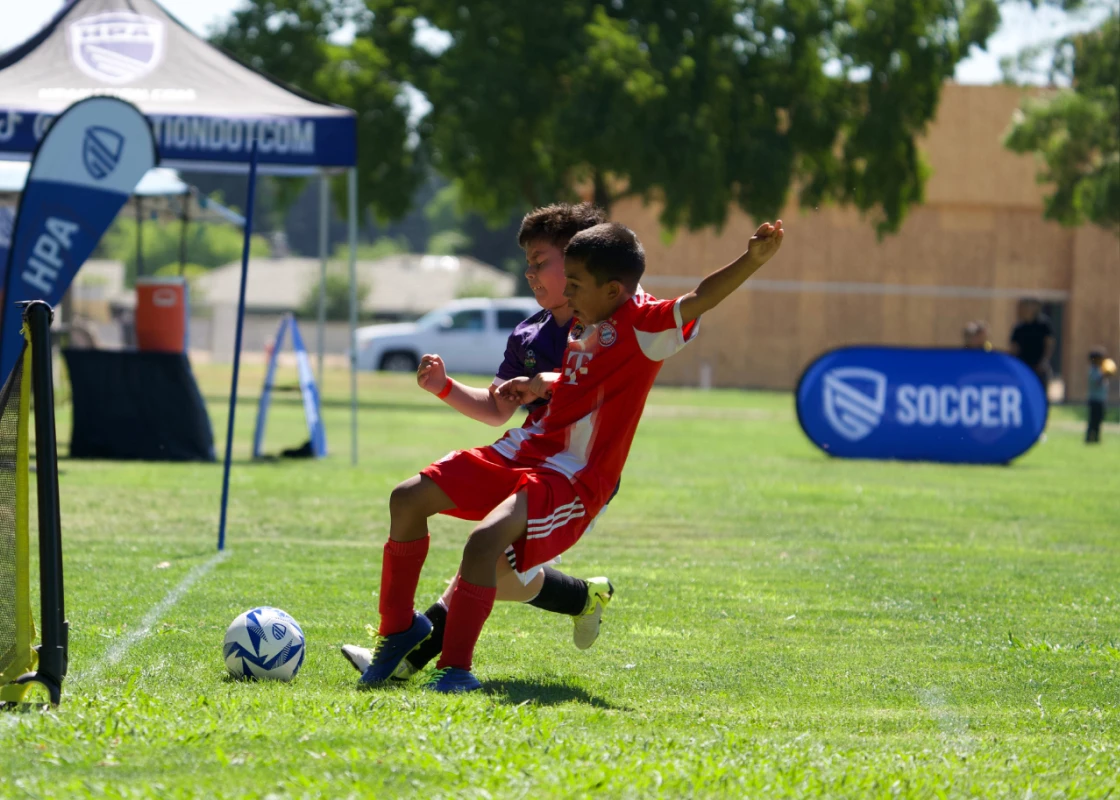
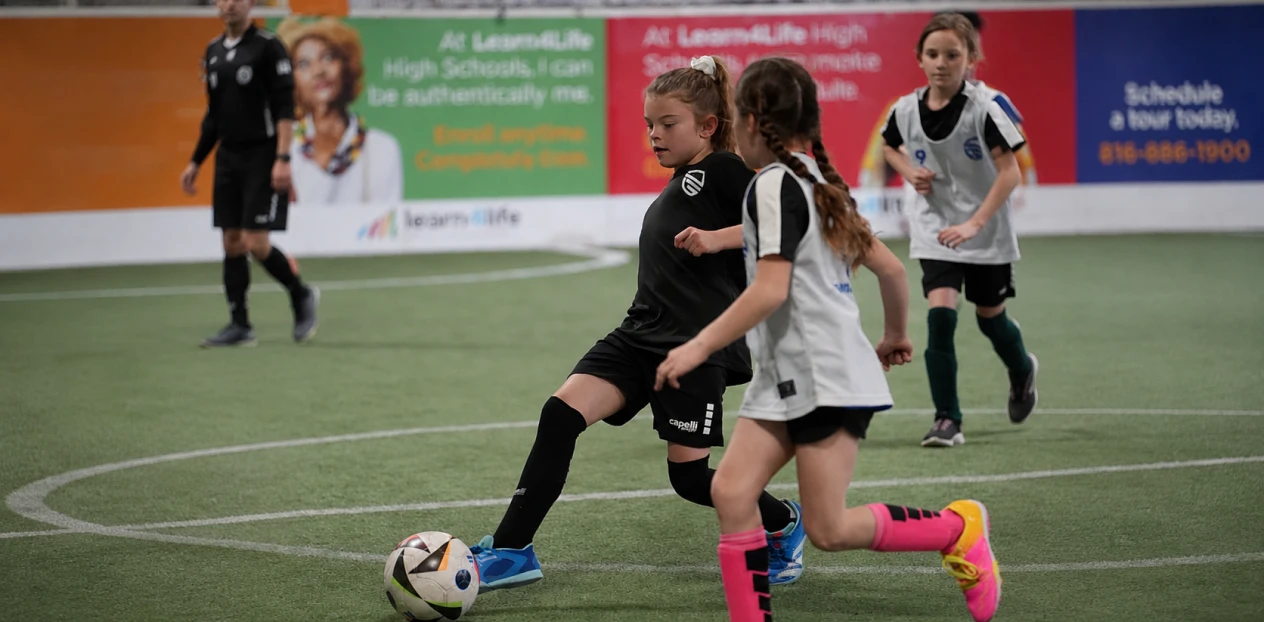
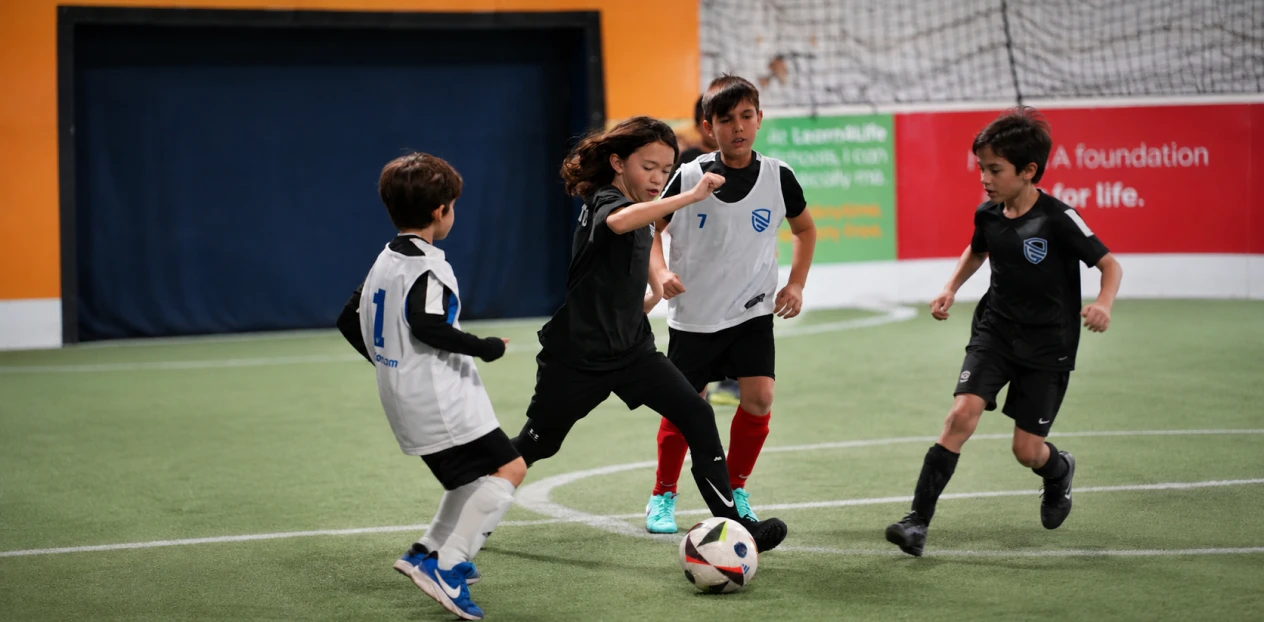
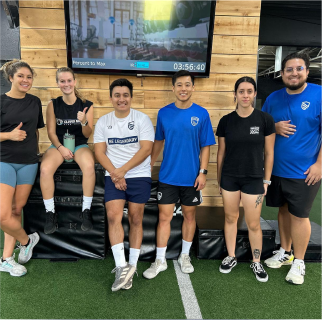
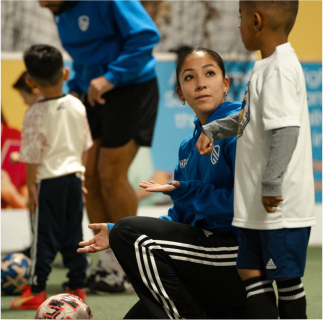
At High Performance Academy, our summer camps are built around the kind of summer kids actually want to talk about. Real movement, real mentorship, real friendships, and real skill building.
Our camps include:
- Soccer and multi-sport options for ages 4 to 12
- Coaches trained in positive youth development
- Days that balance skill building with free play
- Safe, supervised, energy-filled environments
A great summer camp is one of the best investments families make. The kids who land in the right one come out of August more confident, more connected, and more ready for what’s next.
Frequently asked questions
At what age can kids start summer camp? Most kids are ready for short-day or half-day camps around age 4 or 5. Full-day camps usually work better starting around age 6 or 7, depending on the kid.
How much do summer camps for kids cost? Day camps generally range from $200 to $500 per week depending on activities, length, and location. Specialty and sleepaway camps run higher.
How long should kids attend summer camp? Most families do two to four weeks across the summer, which provides structure without overdoing it. Some kids thrive with more, others need more downtime at home.
Are day camps or sleepaway camps better? Neither is universally better. Day camps suit younger kids and families wanting to start small. Sleepaway camps offer deeper independence and friendships for older kids who are ready.