
The short version: The best after school program activities balance movement, social connection, and skill building. Programs that rotate through structured sports, cooperative games, and SEL-focused activities keep kids engaged longer and produce better outcomes than programs leaning on free time or screens. Engagement comes from intentional design, not from filling time.
After school is the most underestimated stretch of a kid’s day. By 2:30, kids have burned through six hours of structured learning and they are done sitting still. The question every program coordinator faces is the same: how do you turn that energy into something productive instead of letting it spill into chaos or check-out?
The answer comes down to which after school program activities you choose and how you sequence them across the afternoon.
What makes after school program activities actually engaging?
Engaging after school program activities have three things in common. They move kids physically. They build connection between students. They have a clear purpose beyond filling time.
Programs that lean on free play alone or screens alone usually lose kids’ attention by week three. Programs that mix structure, movement, and skill development hold engagement for the full school year. The same principles that make great summer camps for kids work apply directly to after school programming.
Every activity should answer at least one question: Does it move them? Does it connect them? Does it teach them something?
What are the best after school program activities for elementary students?
The most consistently engaging after school program activities fall into a few core categories:
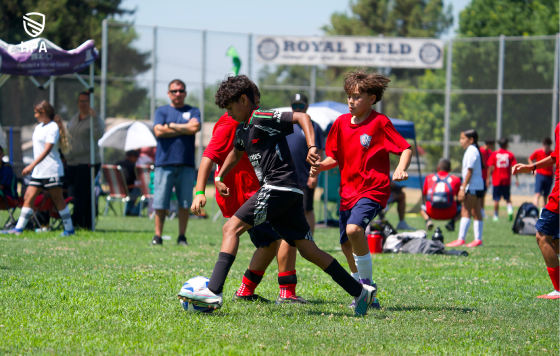
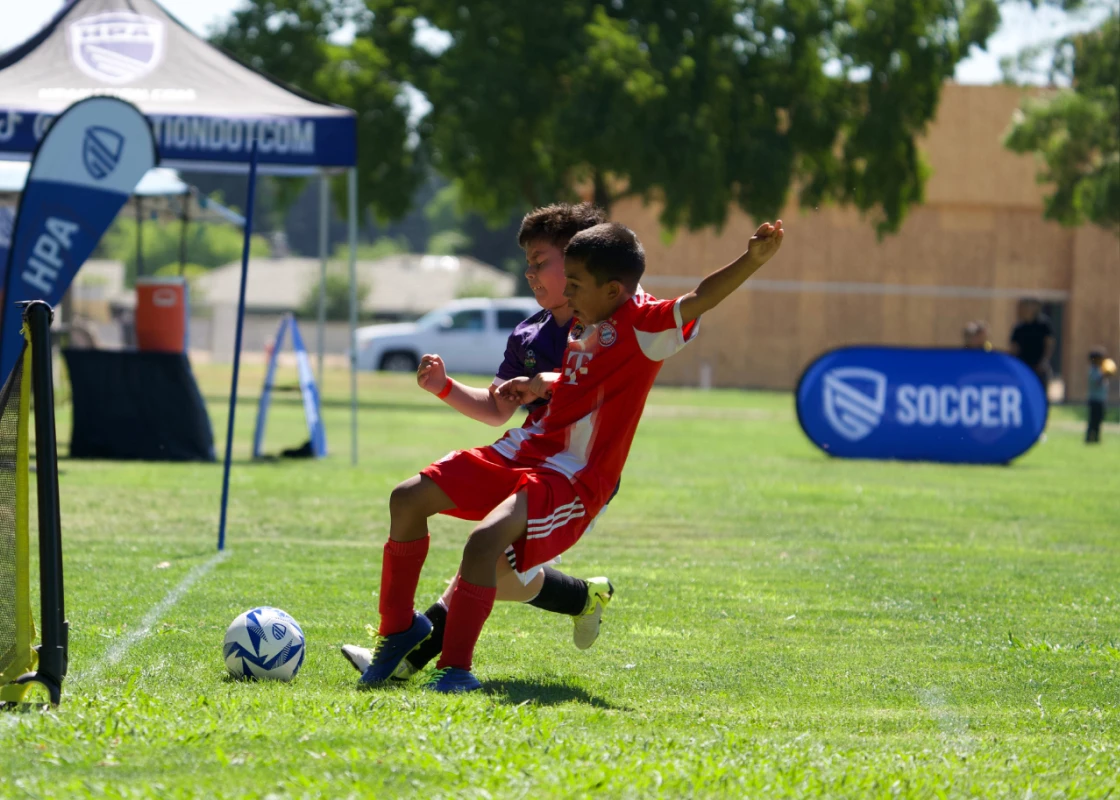
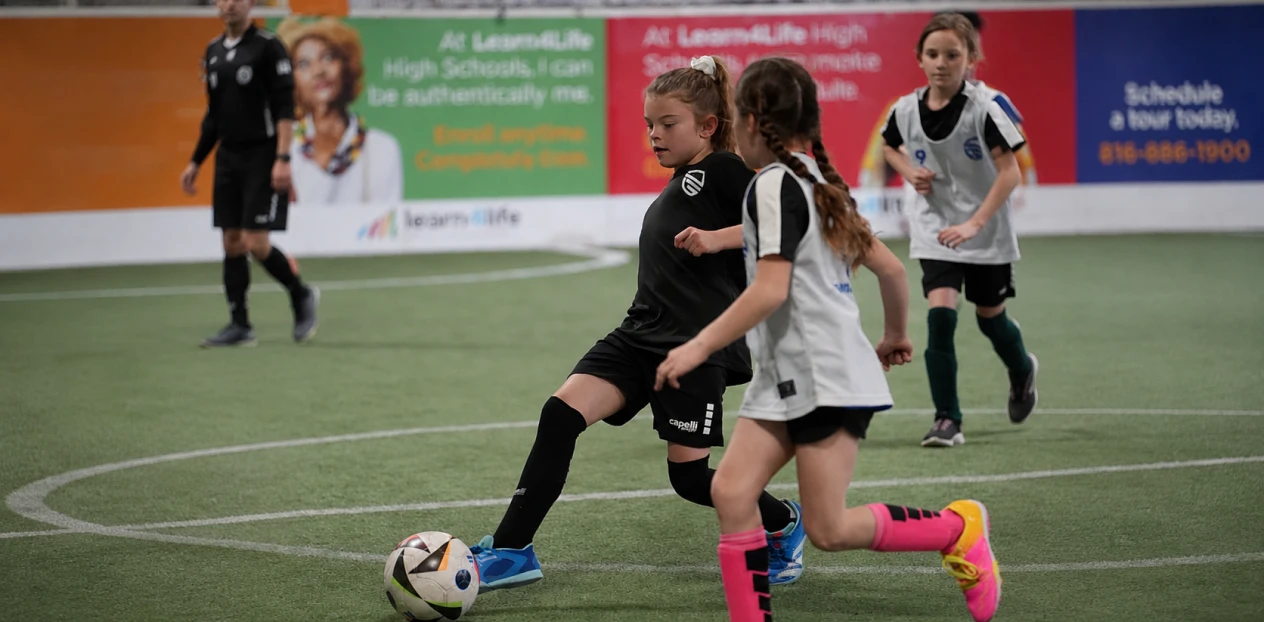
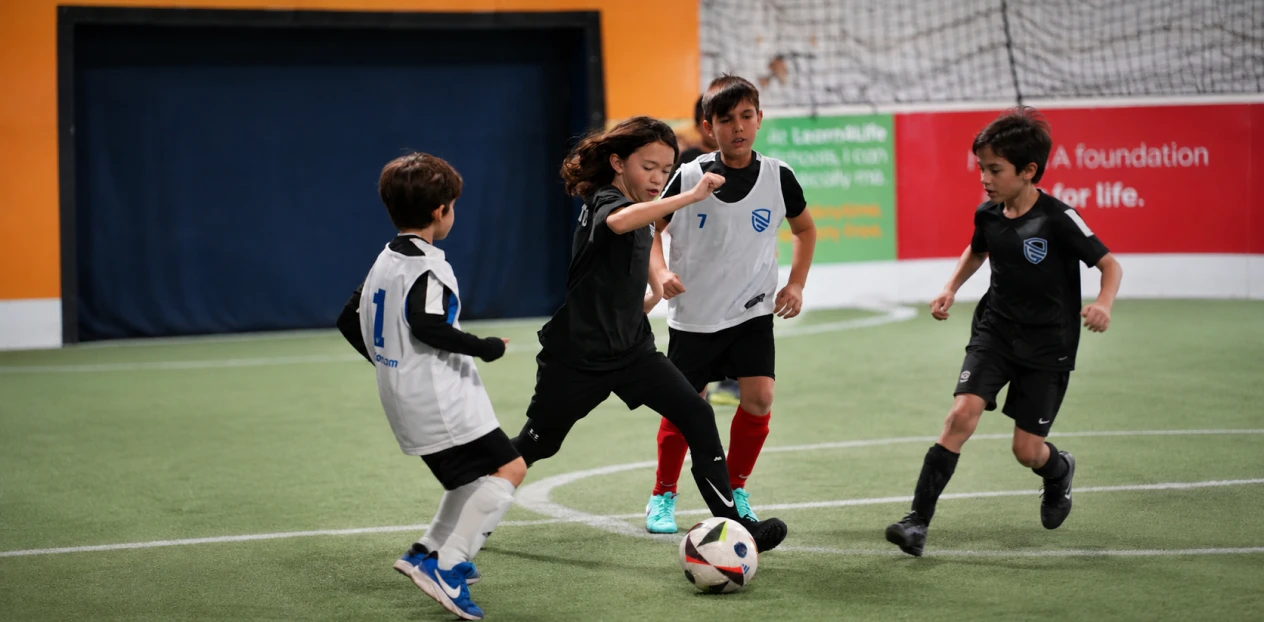
- Structured sports and movement. Soccer, flag football, basketball, and volleyball give kids physical outlet and team experience in the same block.
- Cooperative games. Yard games, group challenges, and team-based play that prioritize inclusion over competition. These work especially well for mixed-age groups.
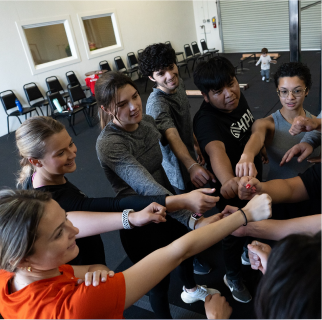
- SEL-focused activities. Leadership circles, partner check-ins, and structured peer activities that develop emotional skills alongside the fun.
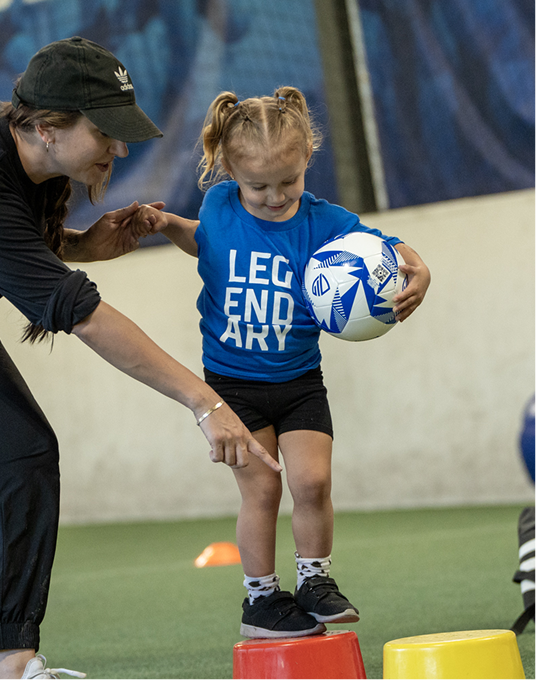
- Skill-building blocks. Short, focused sessions where kids progress in a specific skill over weeks. Passing drills, art techniques, music basics.
- Choice time with structured options. Not unstructured free time. A menu of three to four pre-set activities kids can choose from each day.
The strongest programs rotate through multiple categories within a single session, which keeps energy up and gives every kid something they connect with.
How should you structure an after school program for maximum engagement?
A clear daily structure does more for engagement than any single activity. The most effective after school programs follow a predictable rhythm:
- Arrival and reset (15 to 20 min). Snack, settle in, brief check-in. Kids need time to transition out of school mode.
- Movement block (30 to 45 min). Structured sports or active games. Burn the post-school energy first.
- Connection or SEL block (15 to 20 min). Team-building, partner activities, or guided social-emotional learning.
- Skill or choice block (30 to 45 min). Skill development, themed activities, or structured choice time.
- Wind-down (10 to 15 min). Light activity, group reflection, or quiet play before pickup.
That sequence is not arbitrary. It works with how kids’ energy actually moves through an afternoon, not against it.
What activities work best for different age groups?
Age matters. The best after school program activities for a six-year-old look very different from what engages an eleven-year-old.
- Grades K to 2 (ages 5 to 7): Short rotations, lots of yard games, simple sports, and cooperative play. Attention spans are shorter, so plan for 15 to 20 minute activity blocks.
- Grades 3 to 5 (ages 8 to 10): This age group thrives in structured sports, skill-building activities, and small leadership roles. Activity blocks can stretch to 30 to 45 minutes.
- Grades 6 and up (ages 11+): Increasing emphasis on leadership, choice, and deeper skill development. Older kids check out fastest when activities feel too young, so give them real responsibility.
Mixing age groups for some parts of the day (mentorship moments) and separating them for others (developmental fit) tends to produce the strongest culture.
What are red flags in a low-engagement after school program?
Some signs that an after school program is struggling with engagement:
- Most of the time is unstructured free time with limited adult interaction
- The same activities every day, with no variety or progression
- High screen time used as the default fallback
- Staff visible managing behavior rather than running activities
- Older kids checked out, disengaged, or asking to leave early
Strong after school programs don’t have these patterns. The schedule is full, staff are leading, and kids are talking about what they did when their parents pick them up.
How HPA approaches after school program activities
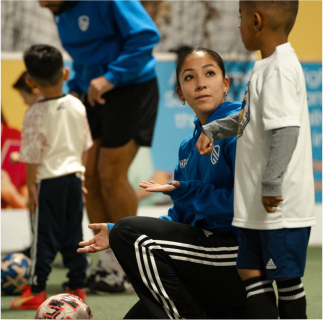
At High Performance Academy, our after school programs are built around intentional design, not generic activity filler. We bring trained coaches into schools to lead structured sports, cooperative games, and SEL-integrated activities that turn the after school stretch into one of the most valuable parts of the day.
Our school programs include:
- Structured enrichment sessions that integrate movement, SEL, and team play
- Sport-specific development in soccer, flag football, basketball, and volleyball
- Cooperative games and yard activities that build school culture
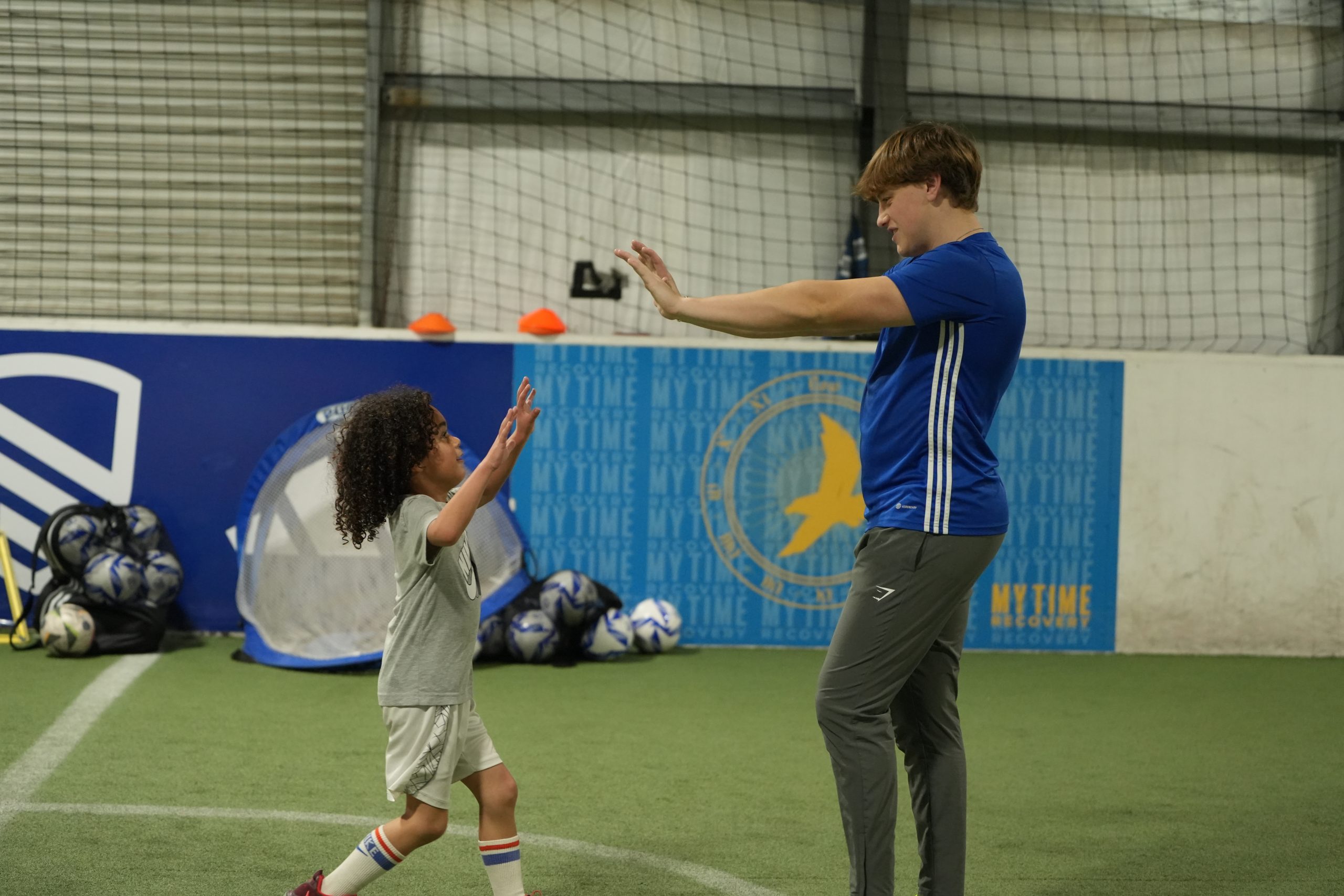
- Coaching that prioritizes engagement, belonging, and positive behavior
Schools that partner with HPA Pathways see fewer behavior issues, higher engagement, and after school hours that students actually want to be part of.
Frequently asked questions
How long should after school program activities last? Most activity blocks should run 20 to 45 minutes depending on age. Younger kids do better with shorter, more frequent transitions. Older kids can handle longer, deeper blocks.
How many different activities should be offered each day? Three to four distinct activity blocks per session is the sweet spot. Fewer leads to boredom. More leads to chaos and shallow engagement.
What’s the ideal staff-to-student ratio for after school programs? For elementary students, aim for 1:10 to 1:15 depending on the activity. Sports and movement can run a little higher. SEL or skill-building blocks should run lower.
How do you handle kids with different energy levels? Build choice into your schedule. Having a high-energy option and a calmer option available in the same block lets kids self-select, and both groups stay engaged.