
The short version: Fall sports registration for kids typically opens in June or July, 6 to 8 weeks before the season begins in August or September. Most families miss the best program spots because they start looking too late. This guide covers when to register, which sports to consider by age, and how to evaluate a program before you commit.
Summer is longer than it feels. One week you are planning July Fourth, and the next you are realizing fall sports registration already opened. For a lot of families, fall sports for kids sneak up on them, and the programs they wanted are already full.
This guide covers what parents actually need to know: when registration typically opens, which sports are worth considering at different ages, and how to evaluate a program before you commit. None of it is complicated. It just takes knowing where to look and when.
When does fall sports registration for kids typically open?
Most youth sports leagues and recreational programs open fall registration well before the season starts, often by midsummer, even though play does not begin until August or September. That gap surprises a lot of parents who assume registration follows the school calendar.
Here is a general breakdown by program type:
- Recreational and community leagues typically open registration several weeks before the season starts. For a September start, that often puts registration opening somewhere in June or July, though timelines vary by program and region.
- Club and competitive programs tend to open registration even earlier, sometimes in the spring, because rosters, tryouts, and team formations require more lead time. Some leagues need to secure field permits months in advance, which drives registration windows earlier than most parents expect.
- School-based programs follow their own district calendars and may have shorter windows, so it is worth checking with your school directly.
The practical takeaway: if you are waiting until August to start looking at fall sports for kids, you are likely already behind. Start the search in June, even if you are not ready to commit.
What fall sports are available for kids?
Fall sports for kids vary by region and age group, but several show up consistently across community and recreational programs:
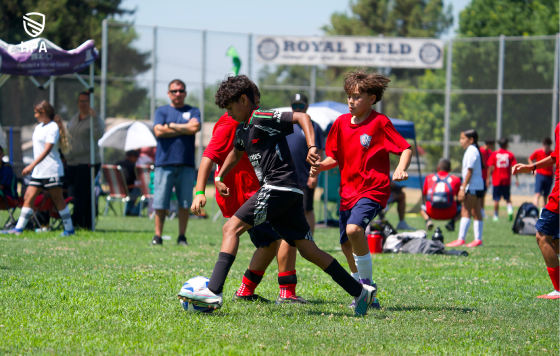
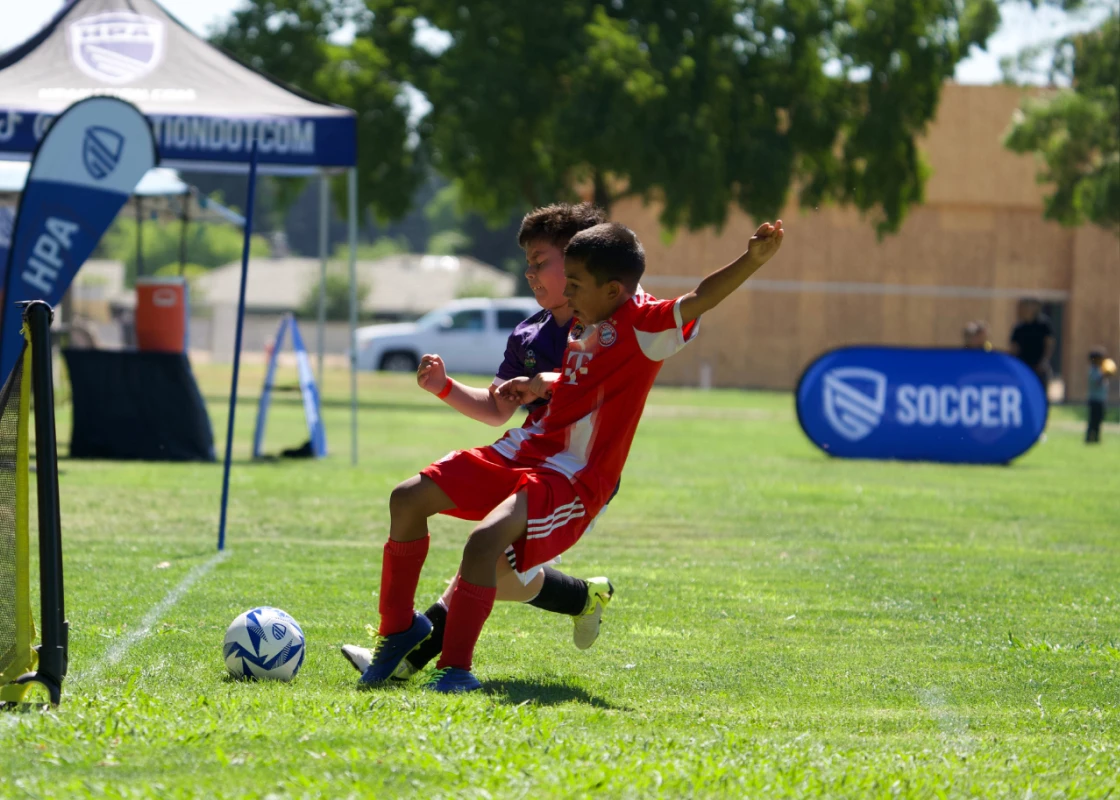
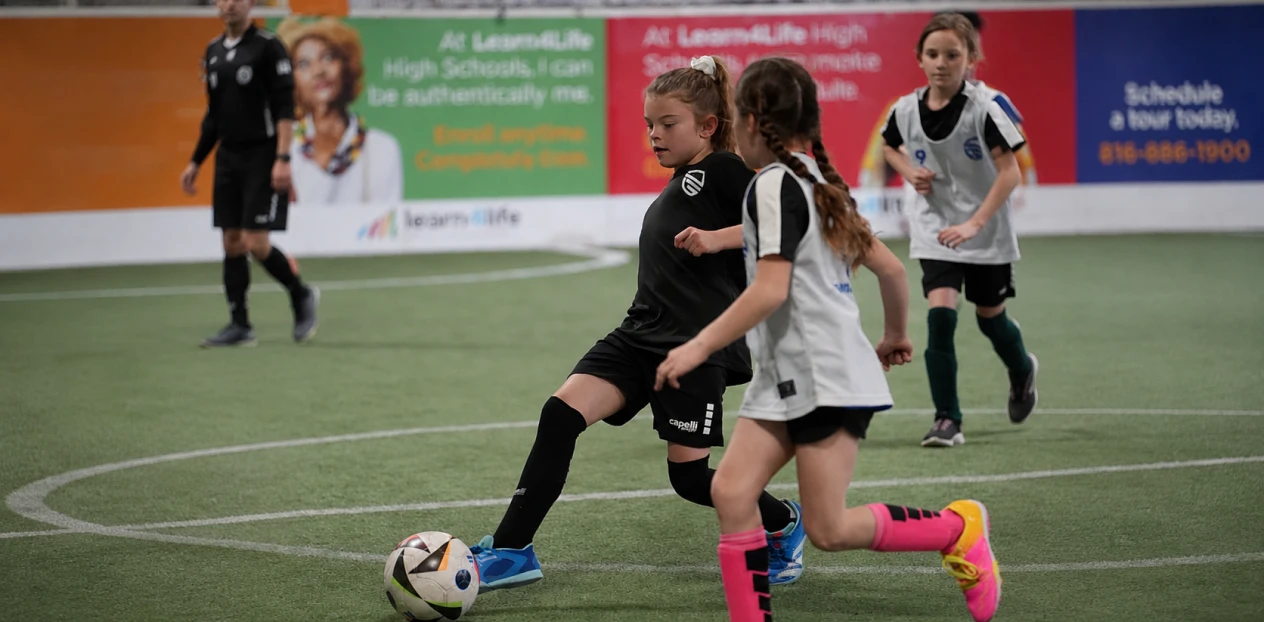
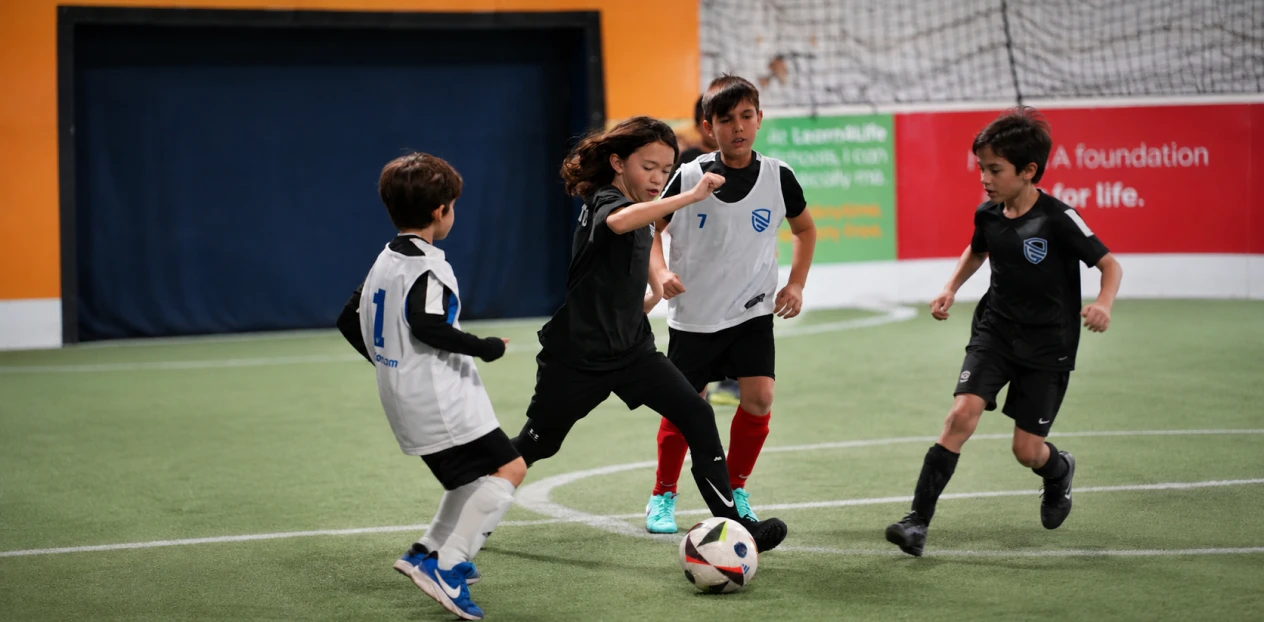
- Soccer: The most widely available fall sport for kids across nearly every age group, starting as young as two or three in many programs. Fall is the traditional outdoor season, and most recreational leagues run from late August through October or November.
- Flag football: Growing quickly as a youth sport, flag football offers the team dynamics and athleticism of football without contact. It works especially well for kids ages five and up.
- Volleyball: More common for older elementary and middle school-aged kids, volleyball is often offered through school programs or community recreation departments in the fall.
- Cross country: Typically available through schools for kids in upper elementary and middle school, cross country is a strong option for kids who enjoy individual goal-setting within a team environment.
- Basketball: Basketball seasons often bridge fall and winter depending on the program. Some leagues start in October; others wait until November or December. Worth checking local availability if that is your child’s sport.
Not every sport will be available in every community, and program quality varies. The sport matters less than the experience a program creates around it.
How do you choose the right fall sport for your child?
The most common mistake parents make is choosing a sport based on what they played, what seems prestigious, or what their child’s friends are doing. Those are understandable starting points. They are just not the most useful ones.
A few questions worth sitting with before registration:
- What does your child actually want to try? Not what they think you want, and not what their best friend is doing. What sounds interesting to them?
- What is their energy style? Some kids thrive in constant-movement sports like soccer. Others do better with the defined roles and pacing of something like flag football or volleyball.
- Are you looking for recreational or competitive? Most programs offer both tracks, and the experience is genuinely different. Recreational leagues prioritize participation and fun. Competitive programs expect more commitment and assume a certain skill baseline.
- What does the time commitment look like? Practices, games, travel, and seasonal length all vary. Fall sports for kids should add energy to family life, not drain it.
It is also worth resisting the pull toward early specialization. Research on youth athlete development consistently points to multi-sport participation as a better long-term path than locking into a single sport too early. Kids who try multiple sports tend to develop broader athletic skills, stay in sports longer, and burn out less often. If your child wants to try something new this fall, that is not a detour from their development. It is part of it.
What should you look for in a fall youth sports program?
Registration opens, the program looks fine on the surface, and you sign up. That is how most families do it. But a few minutes of evaluation upfront can make a meaningful difference in whether your child has a good season.
Signs of a strong program:
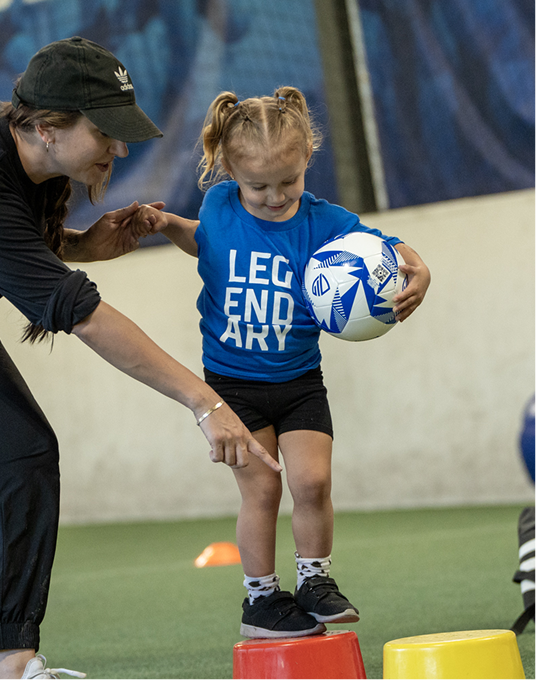
- Coaches who are trained and consistent. Staff turnover and untrained volunteers are not necessarily deal-breakers, but programs that invest in coach development produce better experiences.
- A clear structure for practices and games. Strong programs are not just filling time. Sessions have a purpose, and kids leave having actually worked on something.
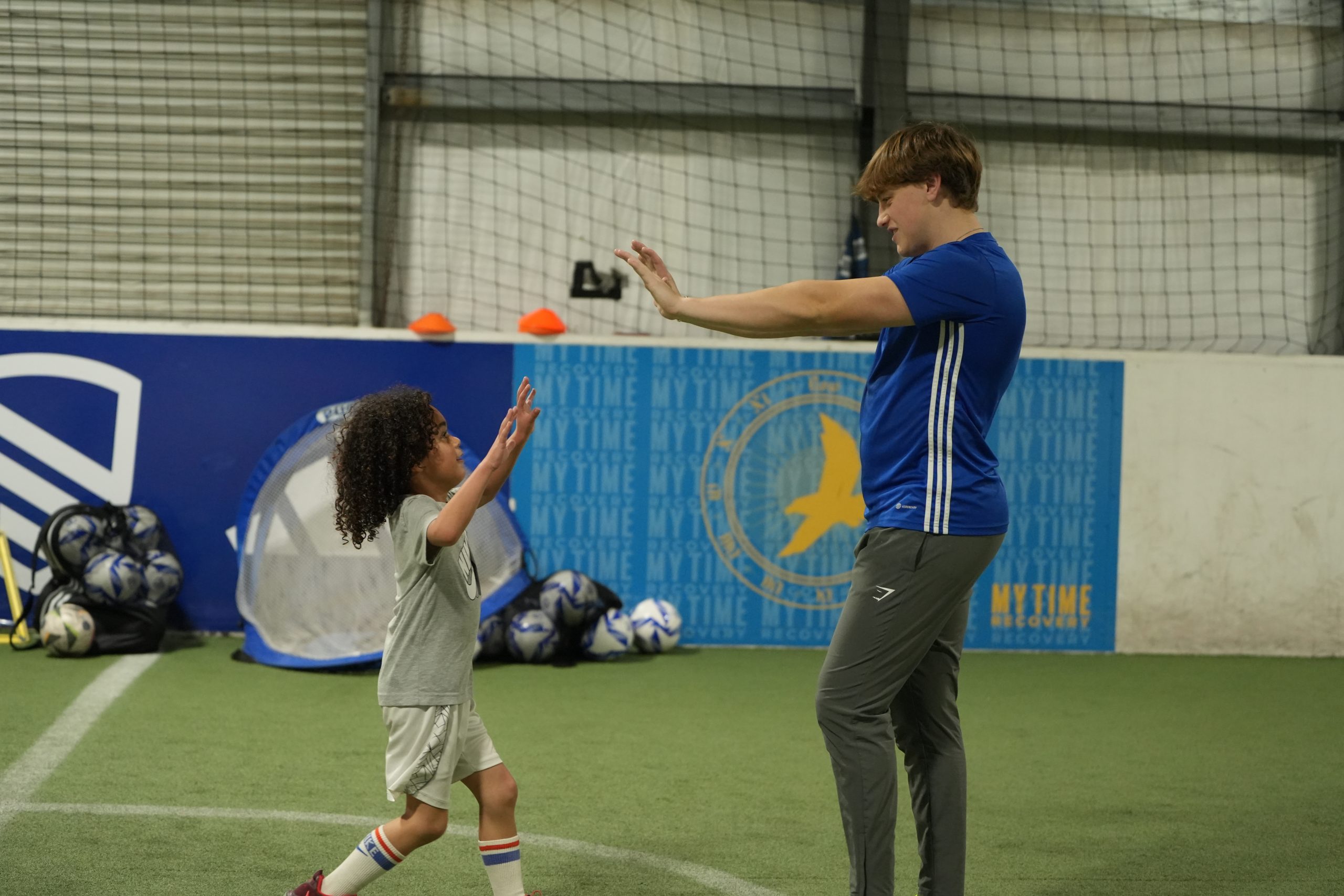
- An emphasis on belonging alongside competition. The best fall sports programs for kids create environments where every participant feels like they are part of the team, regardless of skill level.
- Progression from week to week. Kids should be building on something across the season, not running the same drills in the same order every practice.
- Reasonable player-to-coach ratios. More attention per kid generally means more development and more fun.
Programs that check these boxes tend to produce kids who want to come back the following season. That is a better signal of program quality than any trophy count.
How to time your fall sports search
Start earlier than feels necessary.
The families who end up in the best programs for their kids are rarely the ones who knew the most about the sport. They are the ones who started looking in summer, asked the right questions, and registered before the good spots filled up.
A simple timeline that works for most families:
- June: Start researching programs in your area. Check league websites, ask other parents, and look at what your local rec center or youth sports organization is offering.
- Early July: Narrow down your options and contact programs directly with any questions. Most registration windows are open or opening.
- Mid to late July: Register. Do not wait.
- August: Gear up, confirm schedules, and get your child excited for the season ahead.
Fall sports for kids have a way of becoming one of the best parts of the year when the program is right and the timing works out. The window to make that happen opens sooner than most people think.
Frequently asked questions
When does fall youth sports registration open?
Fall youth sports registration typically opens in June or July, roughly 6 to 8 weeks before the season begins. For most programs with an August or September start date, that means registration windows are open through mid-summer. Recreational and community leagues generally follow this timeline. Club and competitive programs often open registration even earlier, sometimes in the spring, because they need time for tryouts, team formation, and roster planning. School-based programs vary by district and may have shorter enrollment windows, so it is worth checking directly with your school. If you are waiting until August to register, you are likely too late for the most in-demand programs.
What age can kids start playing fall sports?
Many programs accept kids as young as three or four, particularly in soccer and introductory multi-sport formats. The right entry point depends on the sport and the specific program. Most community leagues have dedicated divisions for ages four and five through elementary school and beyond.
How many sports should a kid play in the fall?
For most kids, one sport per season is enough. The goal is a positive experience and genuine development, not a packed schedule. Multi-sport participation across different seasons is valuable. Stacking too many sports in the same season can lead to burnout and thin out the time and energy needed to actually improve.
What if my child wants to try a new sport for the first time?
Trying a new sport is worth encouraging. It builds athleticism, social skills, and resilience. When signing up for an unfamiliar sport, look specifically for programs that describe themselves as beginner-friendly. Confirm that coaches are trained to work with kids who are just starting out, not just those with existing skills. Ask whether the first few weeks include skill-building instruction rather than jumping straight into competition. A good introductory program will meet your child where they are and build confidence alongside ability.
Is fall soccer different from spring soccer?
The sport itself is the same, but there are practical differences worth knowing. Fall soccer is typically the larger season, with higher enrollment, more team options, and broader age divisions. Spring soccer is often smaller and may serve as a supplemental season for kids who want more play time or are newer to the game. Age cutoffs and division brackets can differ between fall and spring registration cycles depending on the league, so do not assume your child’s fall division automatically carries over to spring. If your child plays in both seasons, confirm their division placement at each registration. When in doubt, contact the league directly. Most will walk you through placement based on your child’s age and experience level.
At High Performance Academy, fall leagues for kids are built around the same principles covered here: trained coaches, structured sessions, and environments where every player actually wants to show up. Our fall indoor season is officially live, with youth leagues kicking off August 15. If you are looking for fall sports for kids in the Central Valley, you can find program details and register here.