
Every summer, families across California face the same question. School is out. Kids have energy, time, and no shortage of screens to fill both. Parents want something better for them than ten weeks of passive entertainment. And the search for the right summer camp for kids begins.
The problem is that not all summer camps are built the same way. Some are designed primarily to keep kids occupied. Others are designed to actually develop them. The difference is significant, and it is worth understanding before you register.
What Does a High Quality Summer Camp for Kids Actually Look Like?
The best summer camps share a set of characteristics that go beyond the activity calendar. They are built around intentional programming, skilled staff, and a genuine understanding of how kids develop. Specifically:
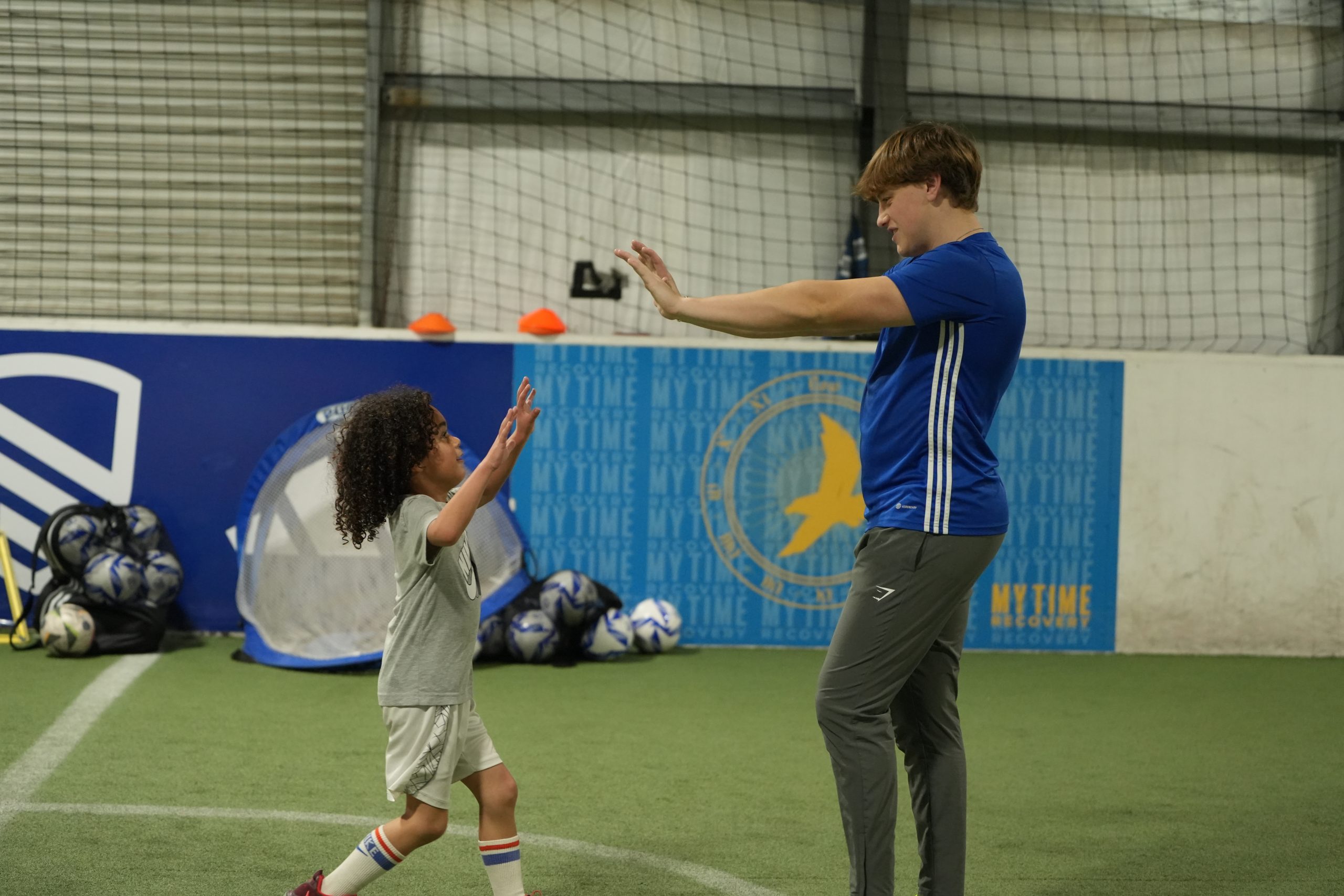
- Trained coaches and mentors, not just activity supervisors. The adults running sessions at a high-quality summer camp for kids are equipped to build relationships, manage group dynamics, and support individual development, not just run drills.
- Structured programming with clear developmental goals. Every session should have a purpose beyond filling time. The best programs design sessions around skill progression, social-emotional learning, and confidence building.
- An inclusive environment where every child belongs. Kids develop best when they feel safe, seen, and valued. Camps that prioritize culture and belonging produce better outcomes than those that prioritize competition alone.
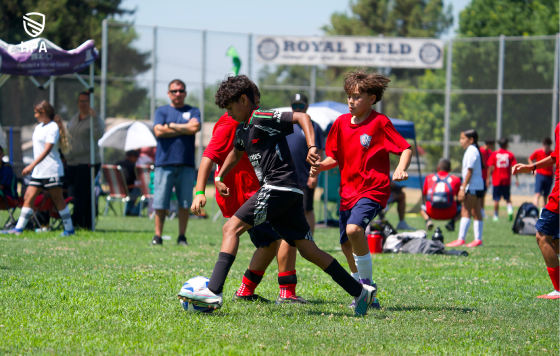
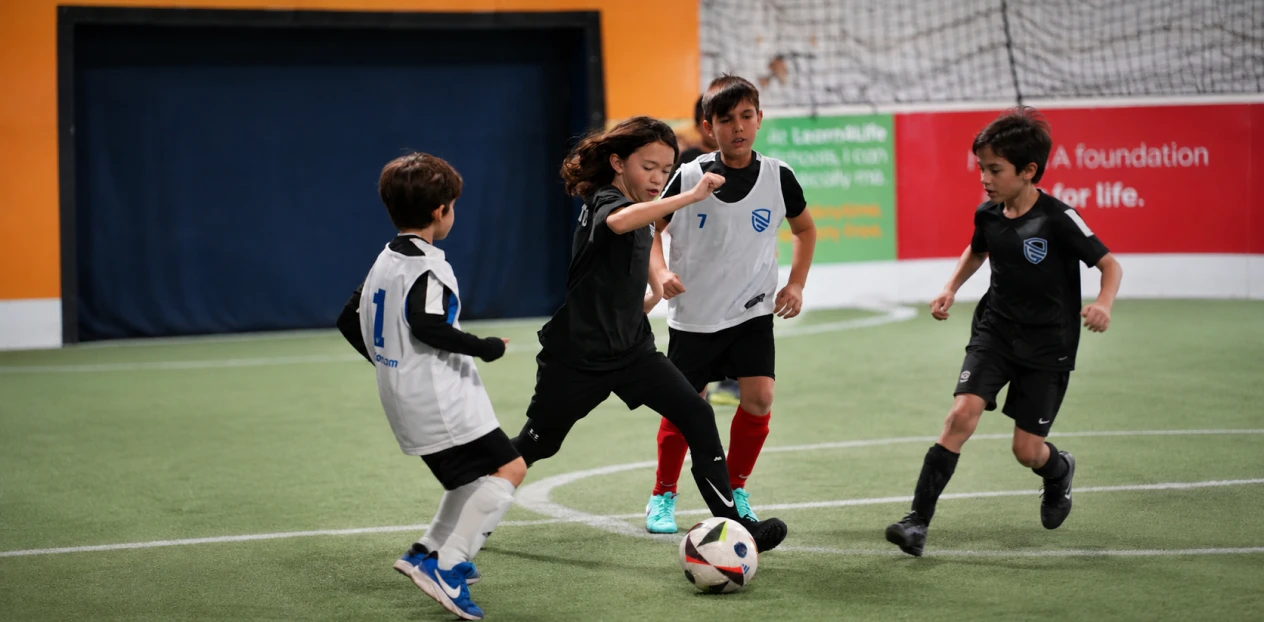
- Multi-sport or varied activity options. Exposure to multiple sports and activities builds broader athletic foundations and keeps engagement high across different types of kids.
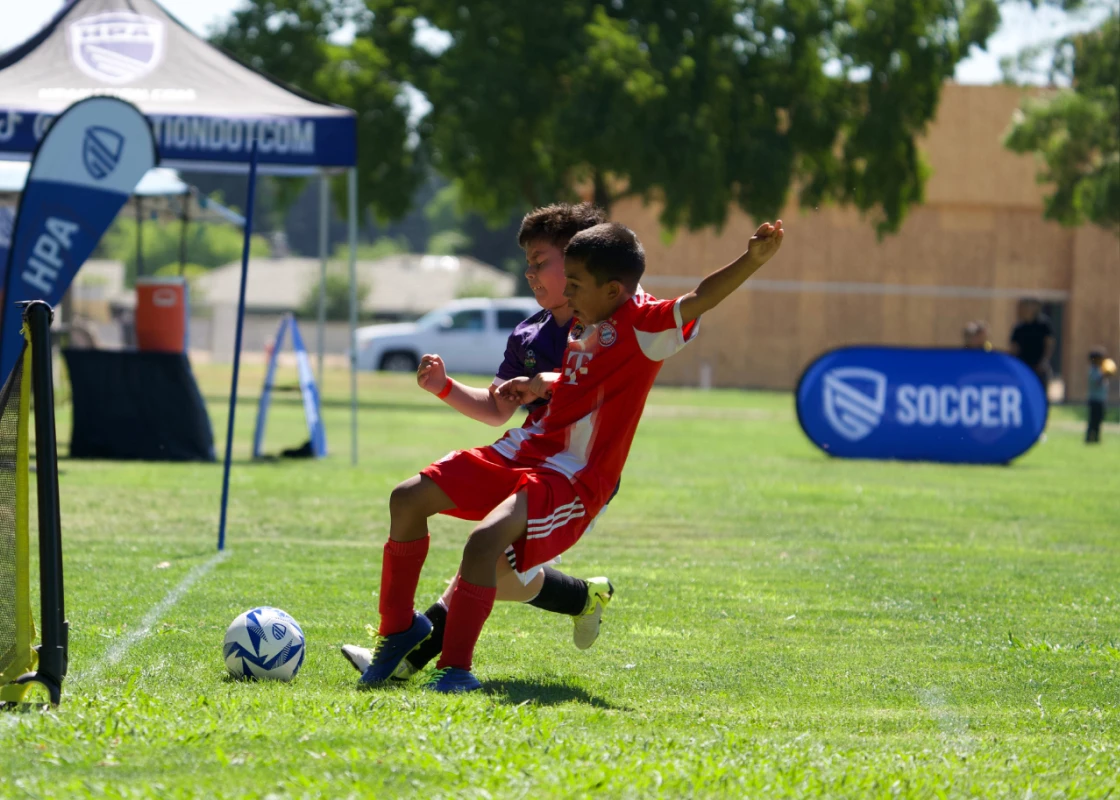
- A balance of challenge and fun. The best summer camp for kids is hard enough to produce growth and enjoyable enough that kids want to come back the next day.
Why Does Summer Matter So Much for Youth Development?
Summer is not just a break from school. For young athletes and developing kids, it is one of the most important developmental windows of the year. Here is why:
- Unstructured time without intentional programming can lead to disengagement, regression in physical fitness, and loss of the social routines that support healthy development during the school year.
- Summer is when kids have the bandwidth to try new things. Without homework pressure and the social dynamics of school, many children discover interests and abilities during summer that they would never have found otherwise.
- Consistent physical activity over the summer directly supports mental health, academic readiness, and social confidence heading into the fall.
- Summer programs provide consistent adult mentorship at a time when school-based relationships are on pause. For many kids, a summer camp coach is one of the most positive adult influences in their lives during those months.
Research on youth development programs consistently shows that kids who participate in structured summer programming enter the fall more confident, more socially connected, and better prepared to engage with school than peers who spent the summer primarily at home.
What Age Is Right for Summer Camp?
The right summer camp for kids looks different depending on where a child is developmentally. General guidelines by age group include:
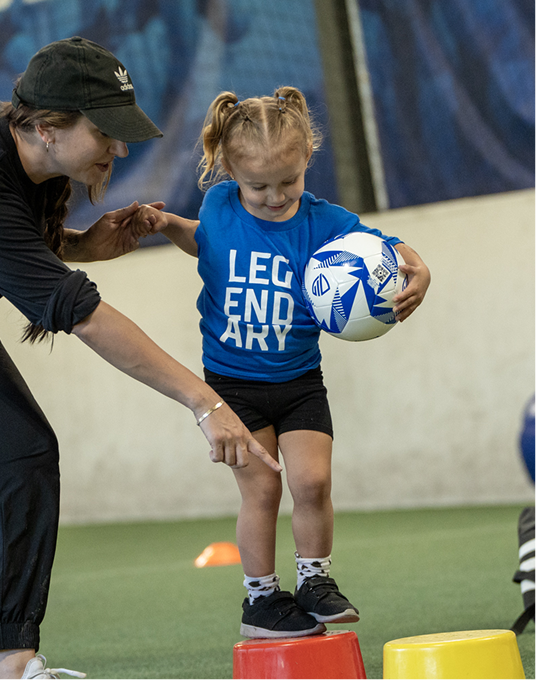
- Ages 4 to 7: Focus on fun, movement, and basic social interaction. Sessions should be high-energy, low-pressure, and centered on exploration rather than performance.
- Ages 8 to 11: Introduce structured activities, light competition, and team-based challenges. Kids in this range are ready to engage with skill development and collaborative problem solving.
- Ages 12 to 16: Increase complexity, introduce leadership opportunities, and provide programming that mirrors real athletic development. Older campers benefit from being challenged at a higher level and given meaningful roles.
The best summer camp programs are designed to meet kids at their developmental stage, which means they are never a one-size-fits-all experience.
What Skills Does a Great Summer Camp Build?
When parents ask what their child will get out of a great summer camp for kids, the honest answer goes well beyond the specific sport or activity on the schedule. Intentional summer camp programming builds:
- Confidence through challenge. Kids who navigate new activities, unfamiliar teammates, and progressive skill demands leave summer camp with a stronger sense of what they are capable of.
- Teamwork and communication. Camp environments require kids to collaborate, negotiate, encourage, and depend on each other in ways that classroom settings often do not.
- Resilience and adaptability. Camp introduces novelty, which means kids regularly face situations where they have to figure things out. That practice builds problem-solving muscles that transfer to every area of life.
- Physical literacy. Exposure to multiple sports and movement patterns during summer builds the kind of well-rounded athleticism that supports long-term sports participation.
- Social-emotional development. Learning to win gracefully, lose constructively, and support teammates through both are skills that research links directly to stronger mental health and social outcomes.
HPA Summer Camps: Where Real Development Happens
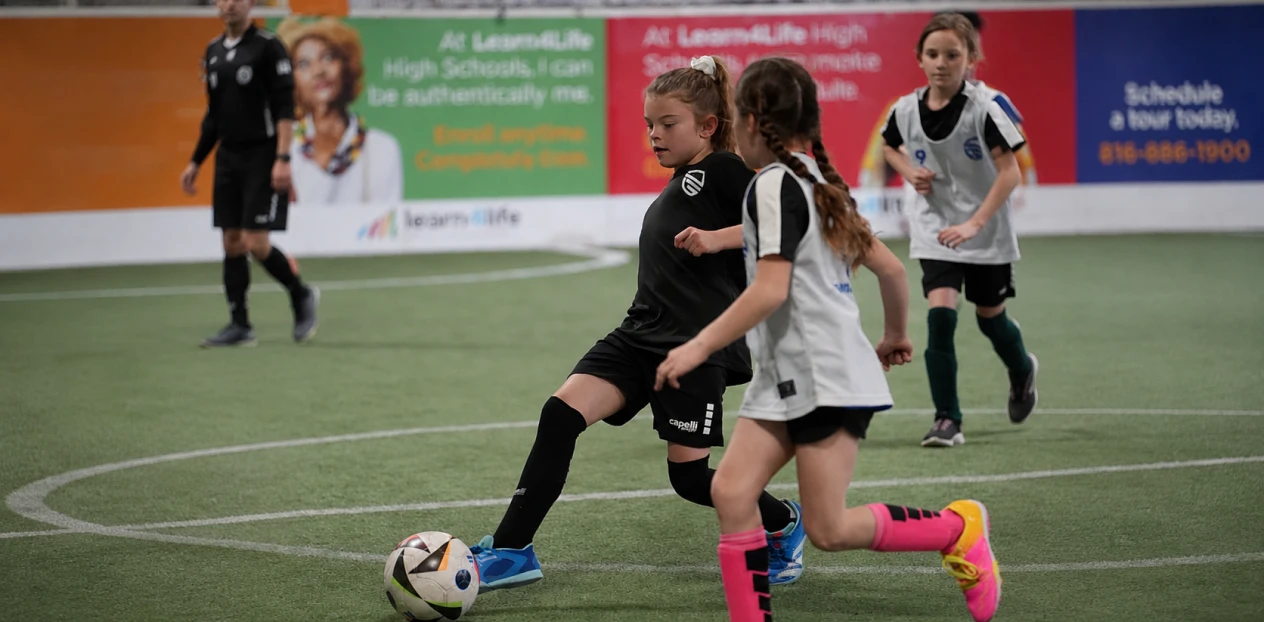
At High Performance Academy, our summer camps for kids are built around the belief that the best summer is one where kids leave more confident, more capable, and more connected than when they arrived.
If you are looking for a summer camp for kids that delivers more than a summer to remember, we would love to be that program. Explore HPA summer camps and find the right fit for your athlete this season.