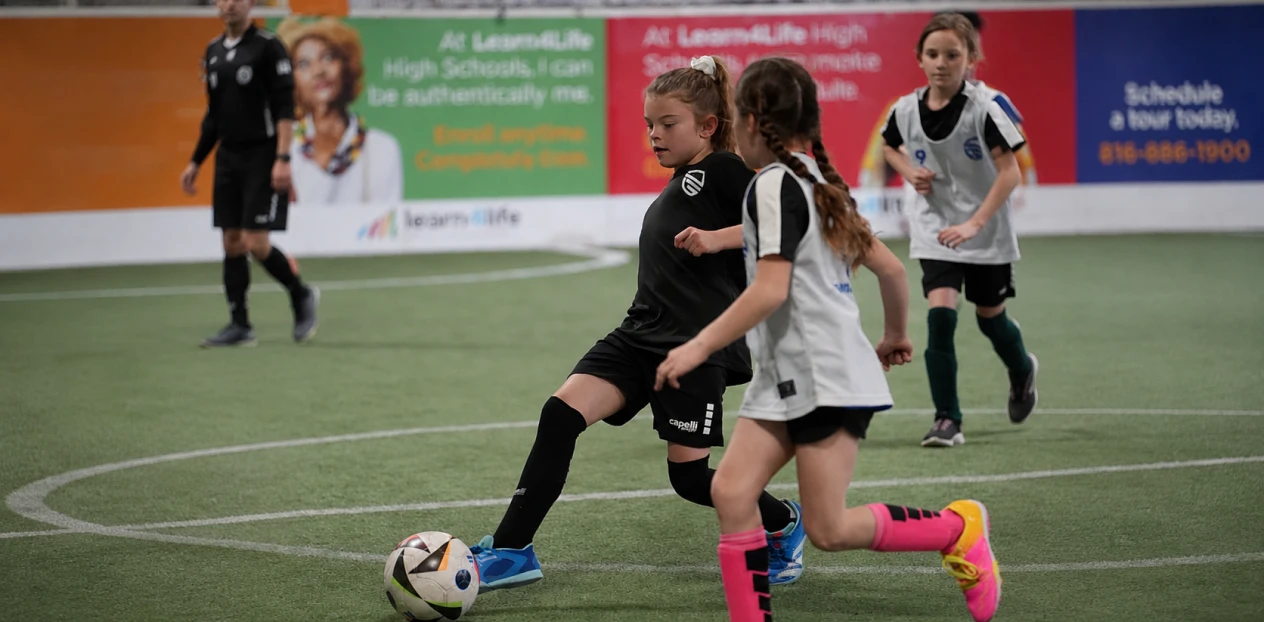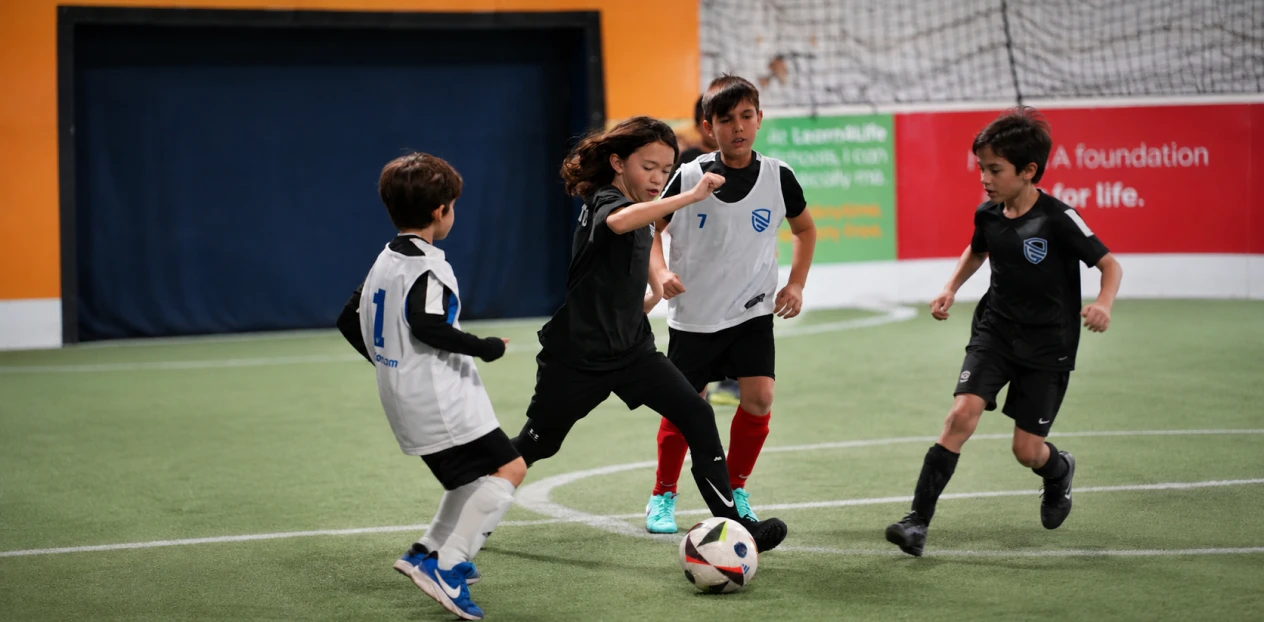

Every parent wants to give their child the best possible shot at success in sports. For many families, that means picking one sport early and committing fully. Year-round training, elite clubs, and position-specific coaching have become the norm for kids as young as seven or eight years old. But youth development programs that work with young athletes every day are seeing a different picture, and it is one worth paying attention to.
Early specialization may feel like a competitive advantage. In practice, it often works against the very outcomes families are hoping for.
What Happens When Kids Specialize Too Early
When children are pushed into single-sport training before their bodies and minds are ready, the results can include physical burnout, emotional exhaustion, and in many cases, walking away from sports altogether. Kids who are overloaded with the same repetitive movements and competitive pressures from a young age are far more likely to lose their love for the game before they ever reach their potential.
Youth development professionals see this pattern regularly. A child who was once passionate and driven becomes disengaged. The sport that used to be the highlight of their week starts to feel like an obligation. And when that happens, no amount of skill development can bring them back.
What Youth Development Programs Do Differently
Effective youth development programs take a long-term approach to athletic growth. Rather than focusing narrowly on one skill set, they build a broad physical and emotional foundation that supports success across any sport and in life more broadly.
The most impactful youth development programs prioritize:
- Fundamental movement skills like coordination, balance, and agility that transfer across all sports
- Emotional regulation and resilience so kids learn to handle both winning and losing
- Teamwork and communication skills built through varied competitive experiences
- A genuine love for physical activity that keeps kids engaged year after year
The Multi-Sport Advantage
Athletes who play multiple sports during childhood develop something that single-sport training simply cannot replicate: adaptability. They learn to read different types of competition, respond to different teammates and coaching styles, and use their bodies in a wider range of ways.
This foundation translates directly into stronger performance when a young athlete does choose to specialize later. The multi-sport athlete brings a richer toolkit to the table, and coaches at the high school and collegiate level consistently value that versatility. There is a reason so many of the most successful professional athletes grew up playing multiple sports well into their teenage years.
Playing multiple sports has been shown to:
- Improve overall athleticism and sport-specific performance when specialization does occur
- Reduce the risk of overuse injuries by developing balanced muscle groups and movement patterns
- Extend athletic careers by keeping kids healthy, motivated, and injury-free
- Support stronger mental health by providing variety, social connection, and a sense of fun
When Specialization Makes Sense
This is not an argument against specialization entirely. There is a time and a place for it, and most youth development professionals agree that the window generally opens in early to mid-adolescence for most sports. By that point, a young athlete has built the physical literacy, emotional maturity, and genuine passion needed to sustain the demands of focused training.
The key question is not whether your child should specialize, but when. And the evidence strongly suggests that the longer they play broadly, the better prepared they will be when that moment arrives.
How HPA Supports the Whole Athlete Through Youth Development Programs
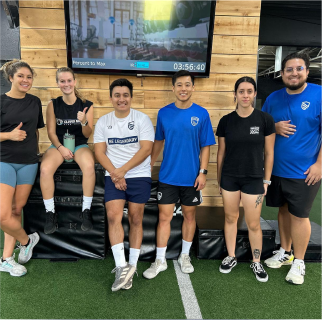
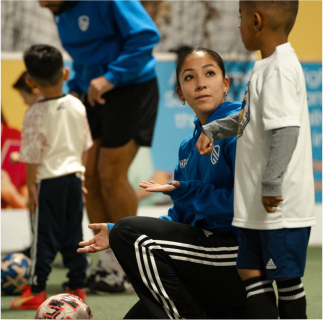
At High Performance Academy, our youth development programs are built around the principle that great athletes are developed, not manufactured. We expose young athletes to multiple sports, focus on character and confidence alongside skill, and create environments where kids genuinely want to show up.
Our coaching philosophy centers on:
- Long-term athlete development frameworks that match training to each stage of growth
- Multi-sport programming that builds movement fluency and overall athleticism
- Positive mentorship that keeps kids motivated and connected to the game
- A community-first culture where every young athlete feels like they belong
If you are wondering whether your child is on the right developmental path, the answer rarely comes from doing more of one thing. It comes from a well-rounded youth development program designed with their long-term success in mind.