
The best soccer practice is the one kids are already excited about before they lace up their cleats. When young players genuinely look forward to training, everything changes. Attendance improves. Focus sharpens. Skills develop faster. And the love for the game that coaches are trying to nurture takes root in a way that lasts.
The secret is not finding easier soccer drills for kids. It is designing practices that feel more like play than work, while still delivering the repetition and challenge that real development requires.
Why Engagement Is the Foundation of Skill Development
Research in youth sports psychology consistently shows that intrinsic motivation, meaning kids who play because they love it, leads to better long-term skill acquisition than external pressure alone. When young athletes are engaged, they are more willing to take risks, try again after mistakes, and put in the repetitions needed to truly improve.
This means the structure of soccer drills for kids matters just as much as the content. A technically perfect drill that kids dread will always underperform a well-designed activity that they are fully bought into.
The Building Blocks of a Great Soccer Drill for Kids
The most effective soccer drills for kids share a few key characteristics regardless of age or skill level:
- They involve constant touches on the ball so every player stays active and engaged
- They include a competitive or game-like element that creates natural stakes and excitement
- They are easy enough to understand quickly but challenging enough to require focus
- They allow for small wins and visible progress within a single session
Soccer Drills for Kids That Actually Deliver
Below are categories of soccer drills for kids that coaches and youth programs have found most effective at combining genuine skill development with high engagement.
Dribbling Challenges
Cone dribbling courses with a time component turn a basic skill into a personal challenge. When kids are racing their own best time rather than each other, the pressure stays positive and every player has a reason to keep going. Adding variations like inside foot only, outside foot only, or alternating moves keeps the drill fresh across multiple sessions.
Small-Sided Games
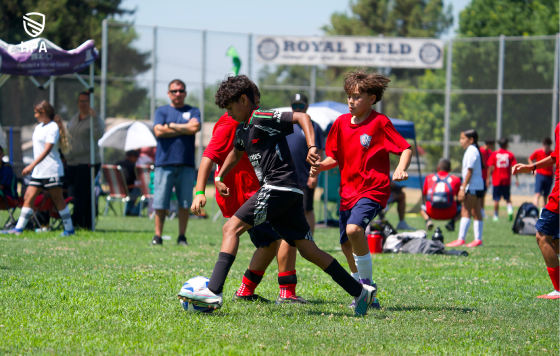
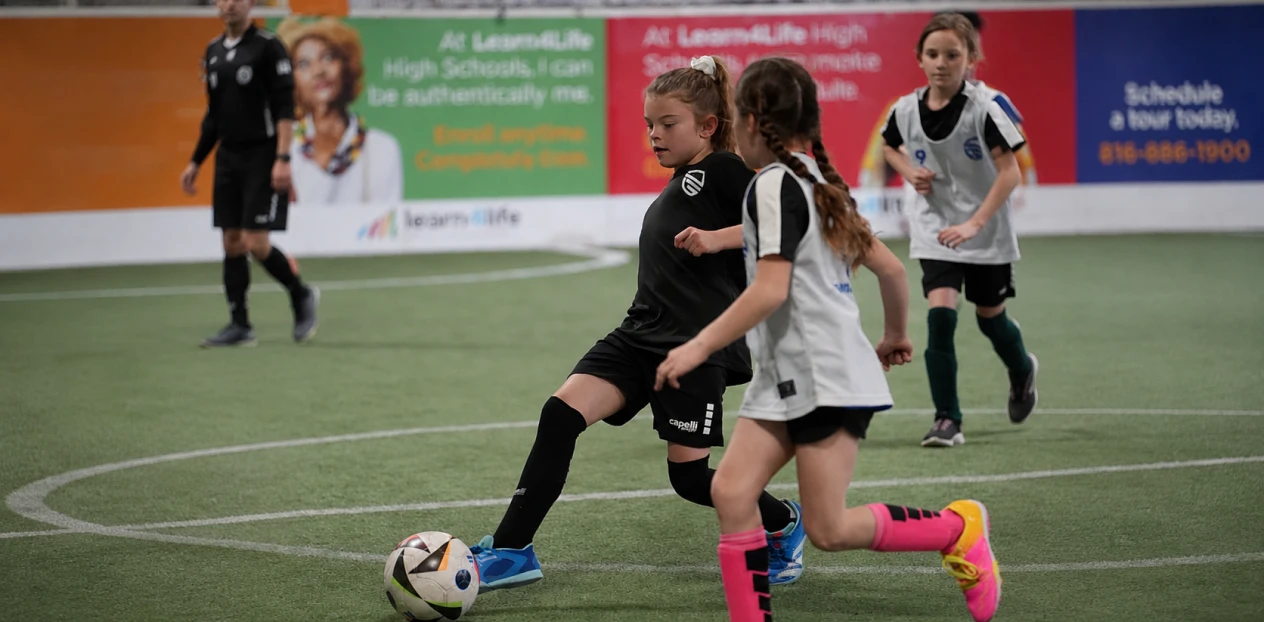
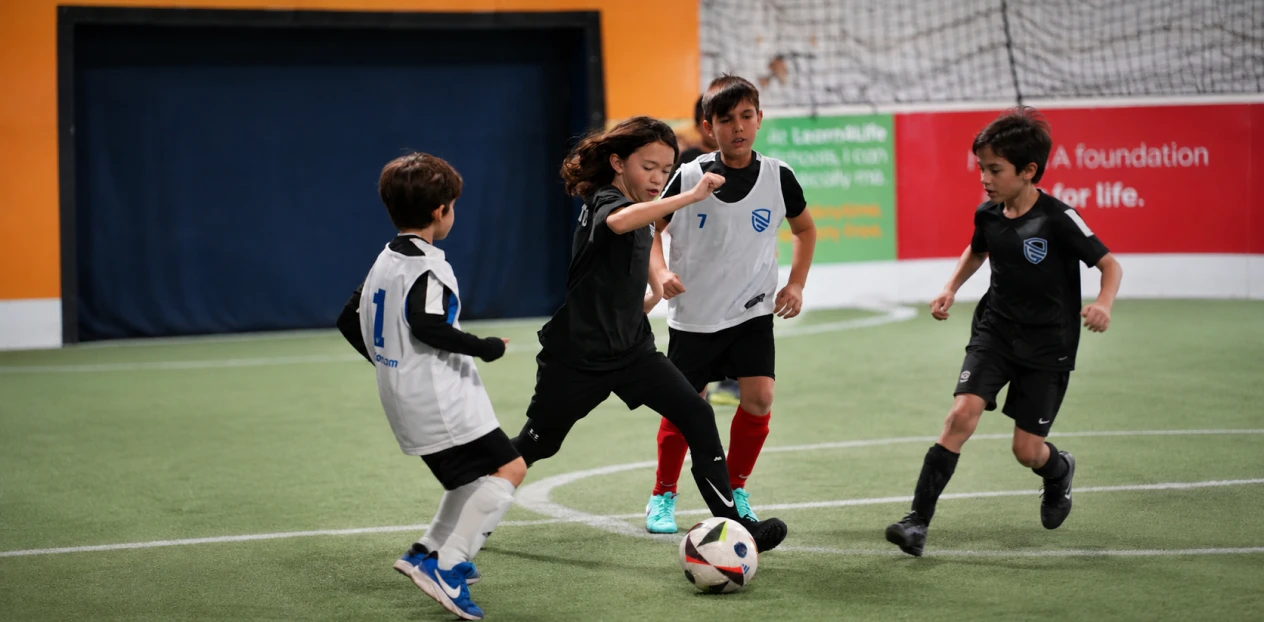
Research consistently supports small-sided games as one of the most effective training formats for young players. Games like 3v3 or 4v4 give every kid far more touches, more decisions to make, and more opportunities to score than a full-sided scrimmage. They are also inherently fun, which means kids are motivated without coaches having to push.
Passing and Movement Patterns
Rondo-style drills, where a small group works to keep possession while defenders try to win the ball, develop both technical passing ability and tactical awareness in a high-energy, game-realistic format. Kids love the challenge of maintaining possession under pressure, and the format naturally creates plenty of coaching moments.
Finishing and Shooting Drills
Few things motivate young players more than shooting at goal. Structured finishing drills that build from simple (one touch finish from a cross) to complex (combination play leading to a shot) keep energy high while teaching the technical and decision-making skills needed in real match situations.
Tailoring Soccer Drills for Kids by Age
The developmental stage matters enormously when designing soccer drills for kids. What works for a 10-year-old will overwhelm a 6-year-old and bore a 14-year-old. General guidelines by age group include:
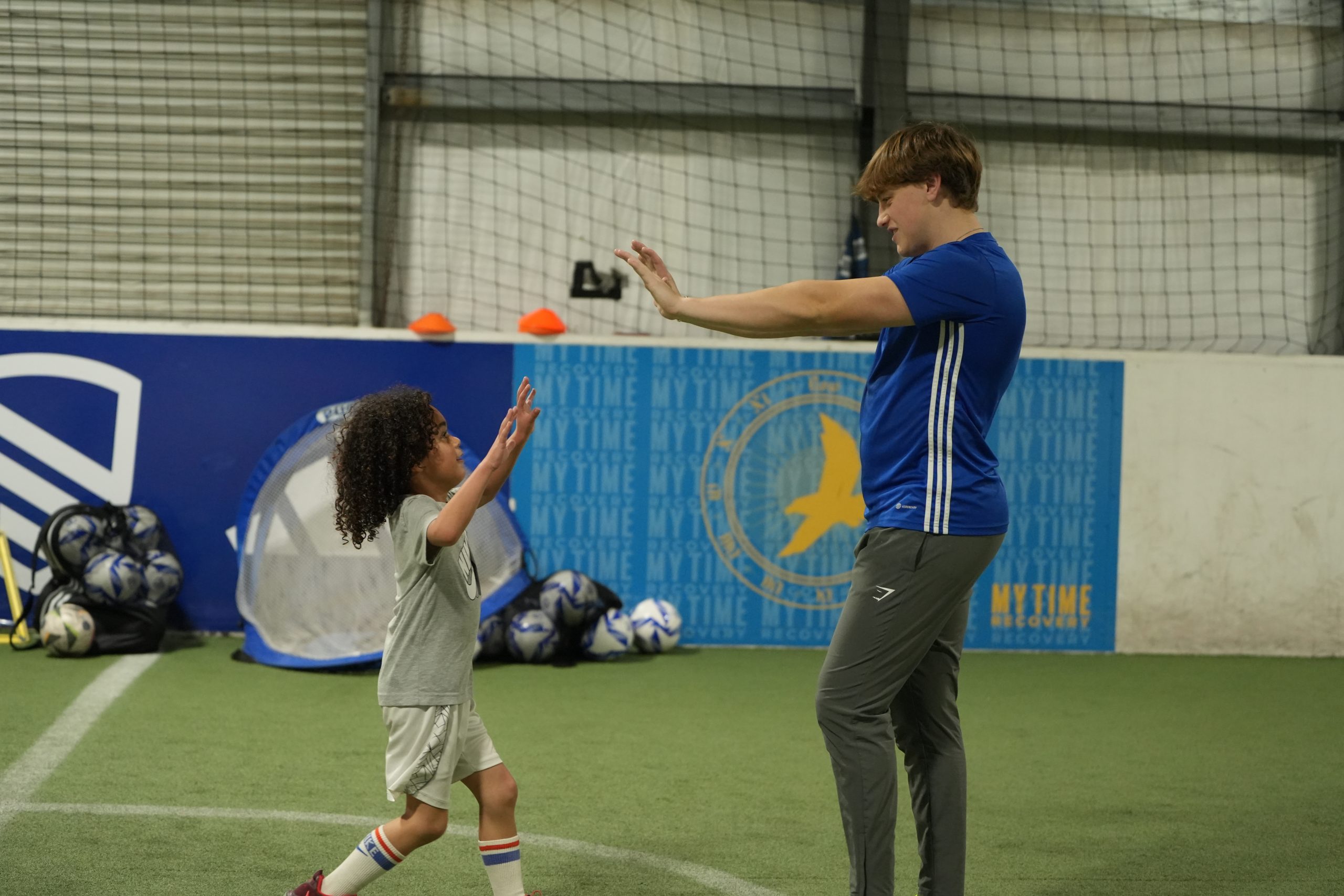
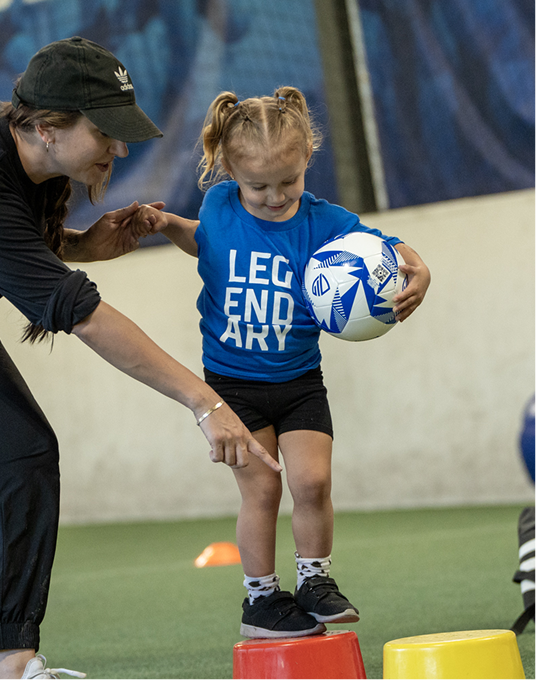
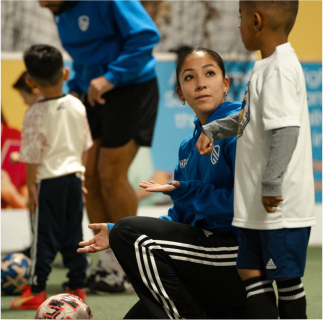
- Ages 4 to 7: Focus on fun, basic coordination, and getting comfortable with the ball. Simple tag games with a ball, free dribbling, and kicking for distance keep this age group engaged.
- Ages 8 to 11: Introduce structured drills with rules and light competition. Dribbling courses, small-sided games, and basic passing patterns work well.
- Ages 12 and up: Add tactical awareness, positional play, and more complex combination drills that mirror game situations.
How HPA Structures Practice to Keep Kids Coming Back
At High Performance Academy, we believe that the quality of a practice is measured not just by what kids learn, but by whether they leave wanting to come back. Our coaches design every session with that goal in mind, blending high-repetition soccer drills for kids with game-based activities that keep energy and engagement high from the first whistle to the last.
Our approach to youth soccer programs includes:
- Age-appropriate progressions that meet players where they are and challenge them to grow
- Positive coaching that builds confidence alongside technical skill
- Structured variety that keeps every session feeling fresh and worth showing up for
- A team culture that makes every player feel like they belong and matter
Because when kids love practice, everything else follows.