
Schools today serve as much more than centers for academic instruction. They are the primary environments where children learn to navigate social complexities, build physical resilience, and develop their personal identities. To support the whole child, many educators are looking toward youth development as a framework for long-term success.
Effective youth development programs focus on meeting students where they are physically, socially, and emotionally. By prioritizing relationships and intentional skill-building, schools can create an environment where every student feels empowered to reach their full potential.
Below are key strategies and examples of how schools can successfully implement high-impact youth development initiatives.
1. Prioritize Safe and Supportive Environments
The foundation of any successful youth development effort is a setting where students feel physically and psychologically safe. When students know they are in a welcoming space, they are more willing to take positive risks and engage with their peers.
- Establish Clear Ground Rules: Co-creating behavior guidelines with students ensures they feel a sense of ownership and safety.
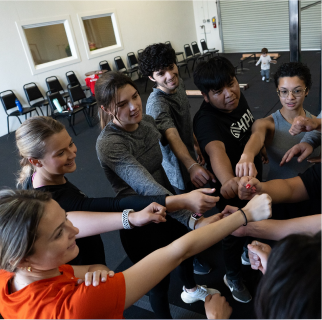
- Foster Belonging: Small group activities based on student interests help ensure that every voice is heard and valued.
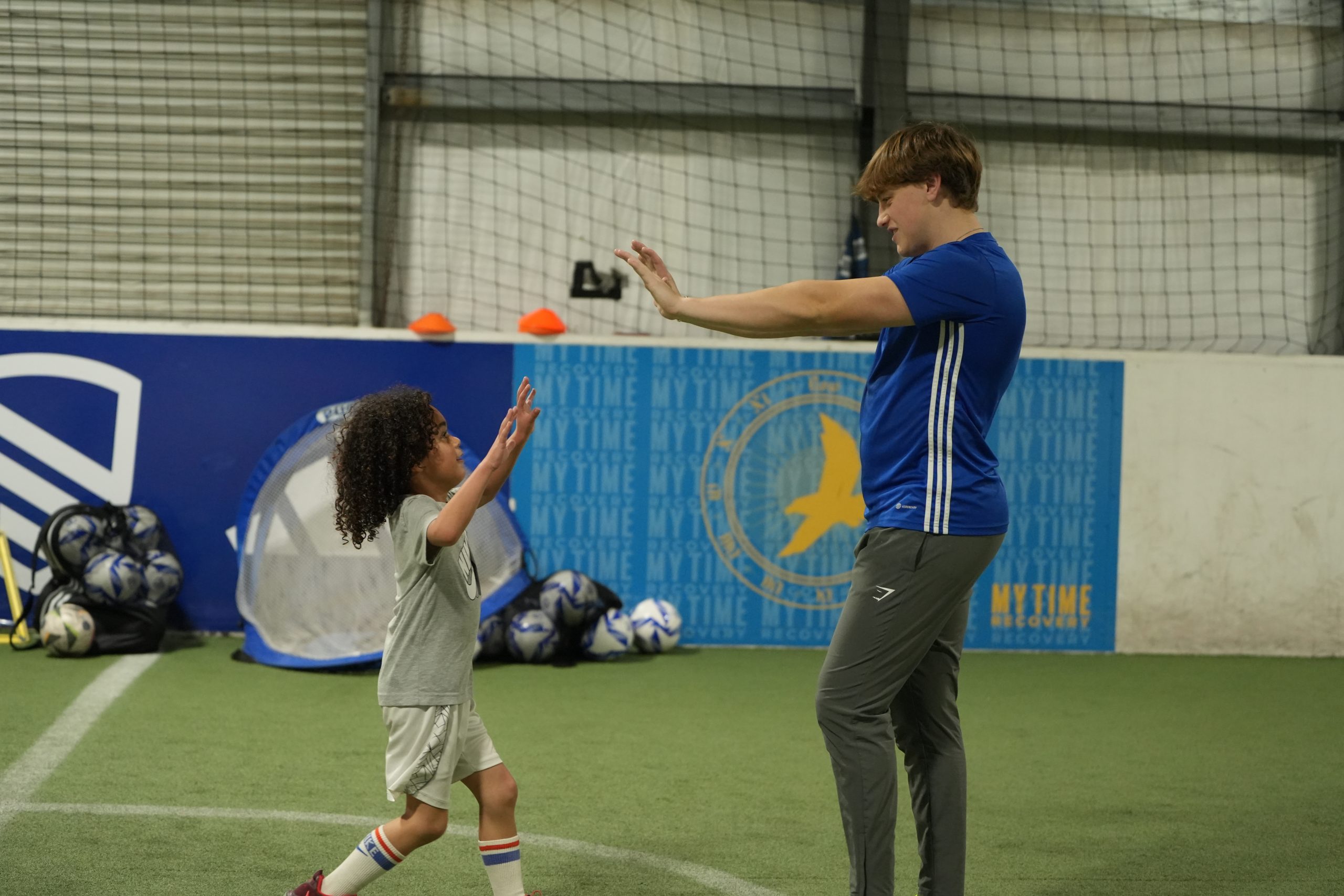
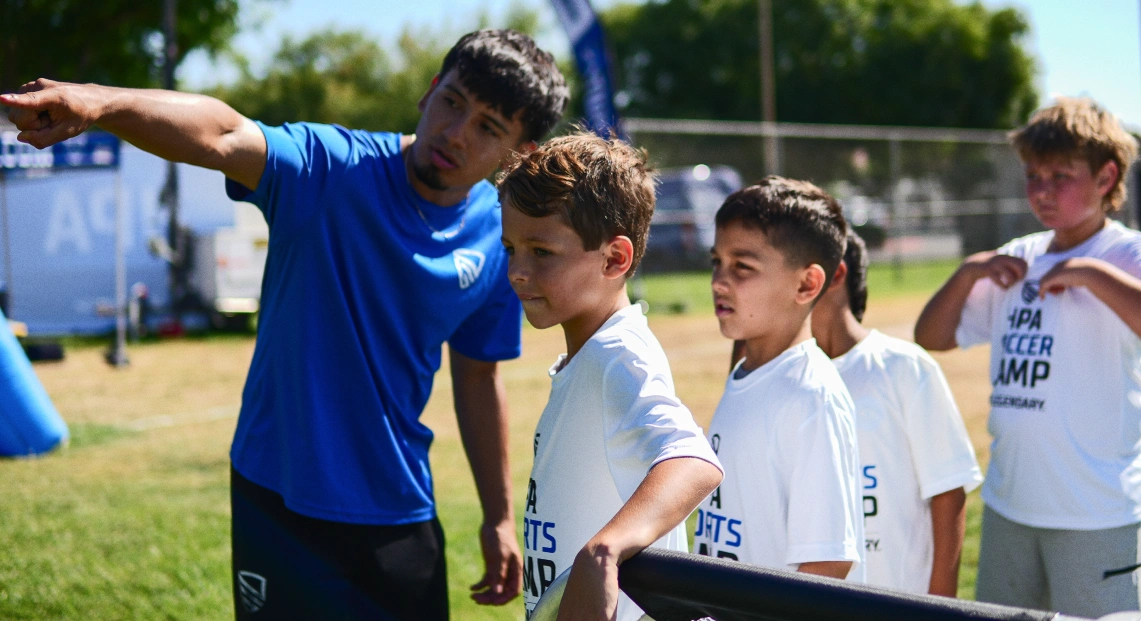
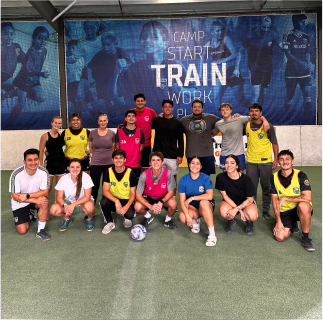
- Incorporate Supportive Mentorship: Ensuring students have access to trusted adults who provide guidance and feedback is a core component of effective youth development.
2. Integrate Movement and Structured Play
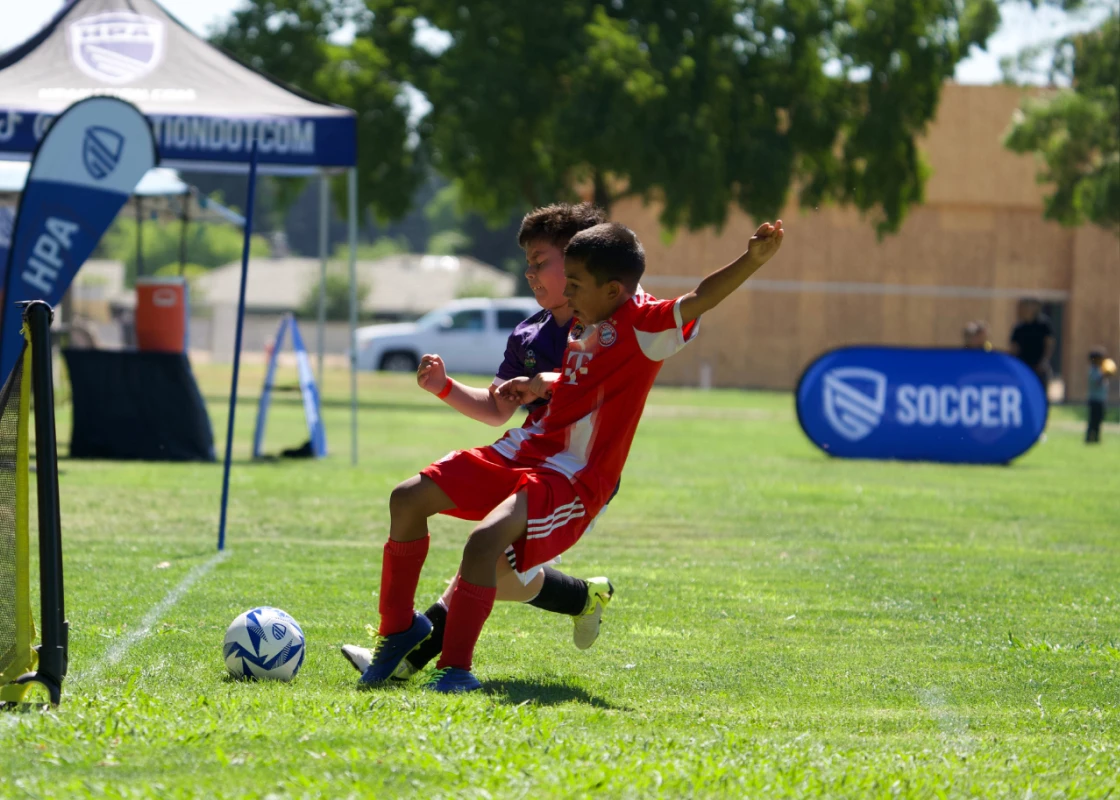
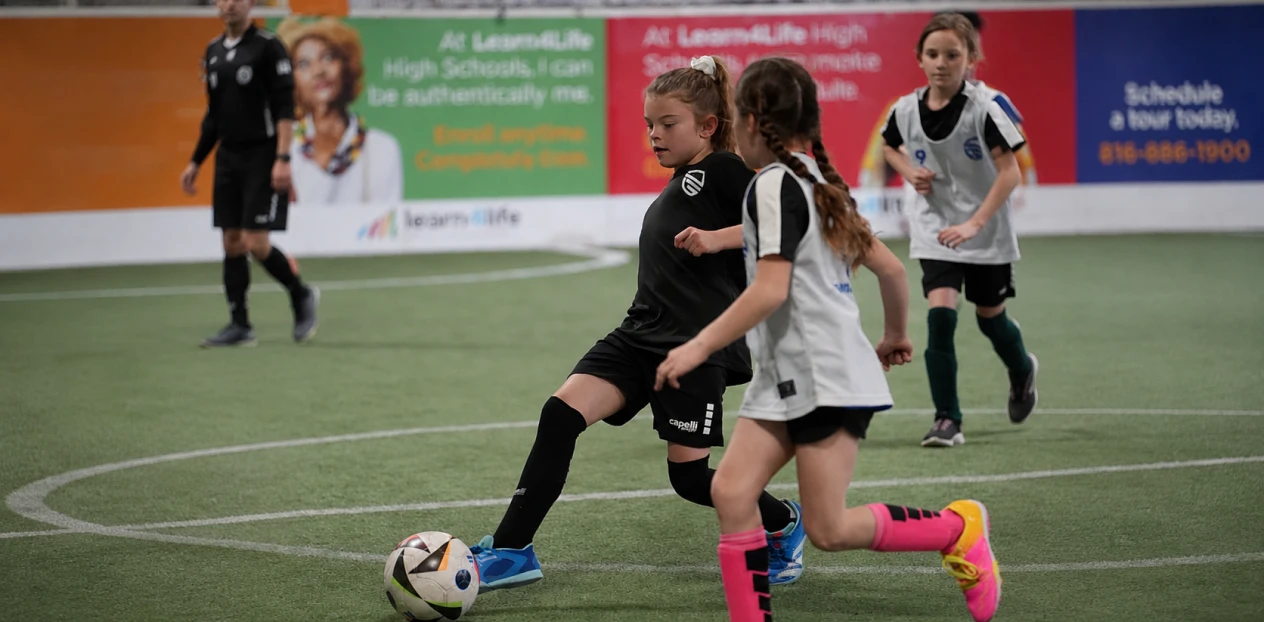
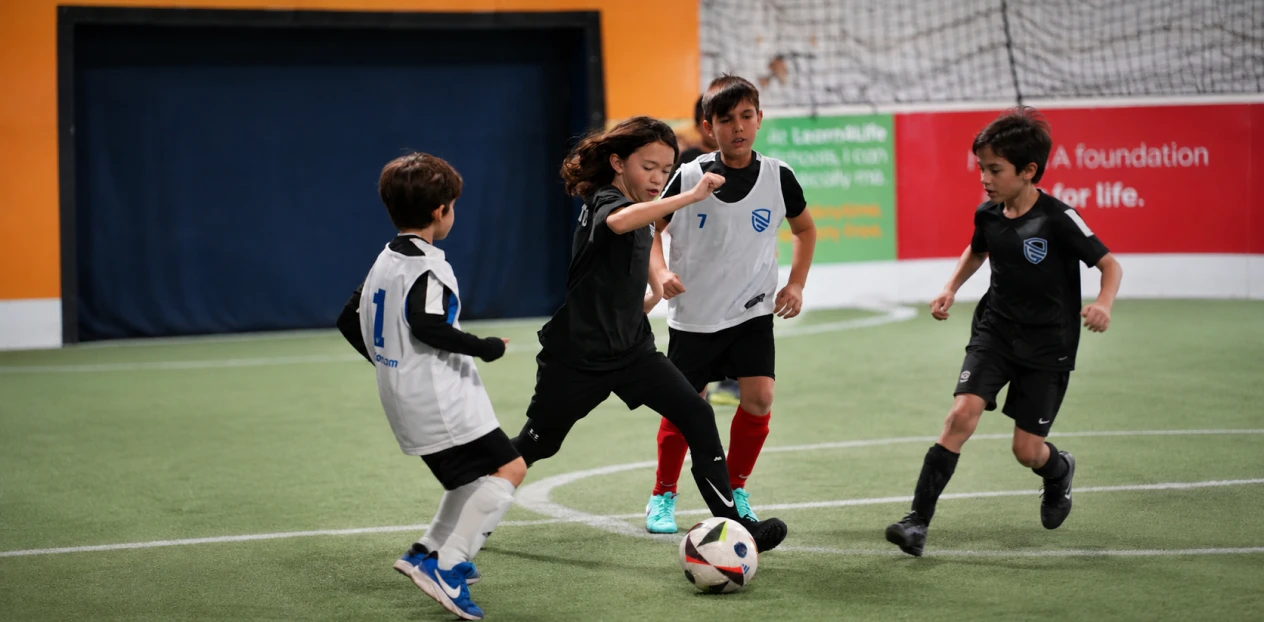
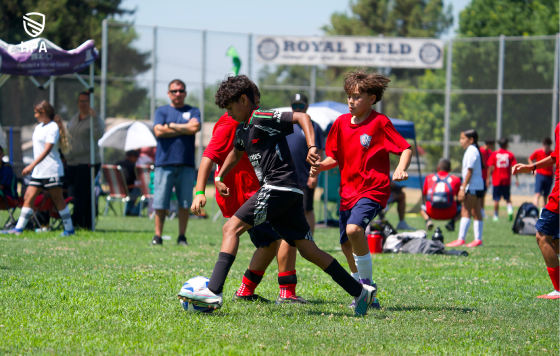
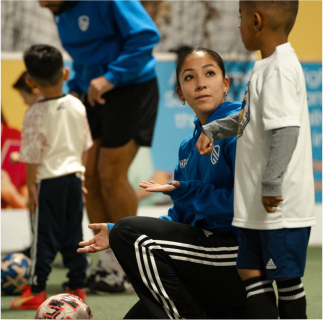
Physical activity is a powerful tool for youth development. Beyond the health benefits, sports and structured play teach essential life skills such as teamwork, emotional regulation, and resilience.
- Skill-Based Coaching: High-quality coaching focuses on building technique and confidence rather than just winning the game.
- Inclusive Programming: Providing a variety of activities, from soccer and basketball to STEM sports, ensures there is a pathway for every student to stay active and engaged.
3. Focus on Social-Emotional Competencies
Effective youth development programs are designed to strengthen social, emotional, and cognitive skills. These programs move beyond simply fixing problems and instead focus on co-creating positive outcomes like contribution and connection.
- Conflict Resolution: Teaching students how to navigate disagreements through active listening and empathy prepares them for real-world challenges.
- Empowerment and Voice: Providing students with “choice and voice” in their activities increases motivation and helps them develop a sense of responsibility.
- Goal Setting: Structured time for students to set goals and reflect on their progress supports independent learning and critical thinking.
4. Leverage Strategic Partnerships
Implementing a comprehensive youth development framework can be a heavy lift for school staff. Partnering with specialized organizations allows schools to provide high-quality programming without overextending their internal resources.
- Expanded Learning Opportunities: Schools can use funding to bring in evidence-based programs for afterschool, summer, and even Saturday enrichment.
- Staff Training: Collaborating with experts ensures that coaches and mentors are trained in the latest youth development strategies.
- Community Alignment: Effective programs align with the specific needs of the school district to ensure sustainable, long-term impact.
Empowering the Next Generation
At HPA, we believe that the best learning happens through movement, play, and real-world experiences. Our Pathways program combines sports, education, and personal growth to shape better people, not just better athletes. By partnering with school districts, we provide the structured environments and mentorship necessary to drive measurable growth in students.