
No two students walk into an after-school program with the exact same needs, and that’s exactly why differentiated learning matters. At its core, differentiated learning is the practice of tailoring instruction, activities, and support so every student can grow from their unique starting point. In today’s classrooms and expanded learning spaces, where skill levels, interests, and learning styles vary widely, this approach is essential.
In after-school and ELOP programs, students arrive with the full day already behind them. Some are energetic and ready to dive in and others still need to warm up. HPA Pathways is intentionally designed for these moments to meet students where they are, not where a standard curriculum expects them to be.
Below is a closer look at how differentiated learning comes to life inside an HPA Pathways program.
What Differentiated Learning Looks Like in HPA Pathways
Flexible Skill-Based Grouping
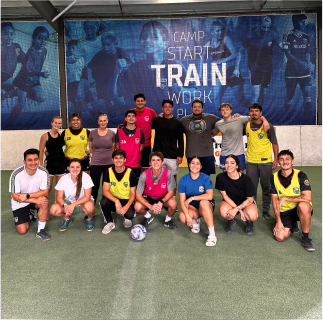
At HPA Pathways, students are grouped by skill level and comfort rather than age alone. This keeps learning approachable, encourages steady progress, and removes pressure or comparison. Whether a student is mastering a new activity or building confidence in an existing one, they’re surrounded by peers on similar learning journeys.
Multiple Ways to Learn and Engage
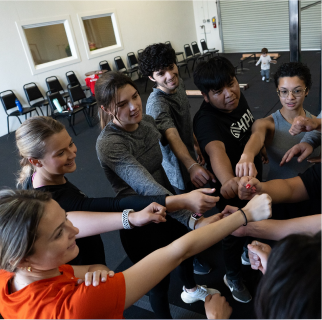
Every Pathways session offers a variety of learning modes: hands-on activities, visual tasks, movement-based learning, collaborative group work, creativity stations, and more. This gives students options, and more importantly, it gives them ownership. When learners can choose how they engage, they’re more motivated to explore activities that challenge them in healthy ways.
Personalized Support from Coaches
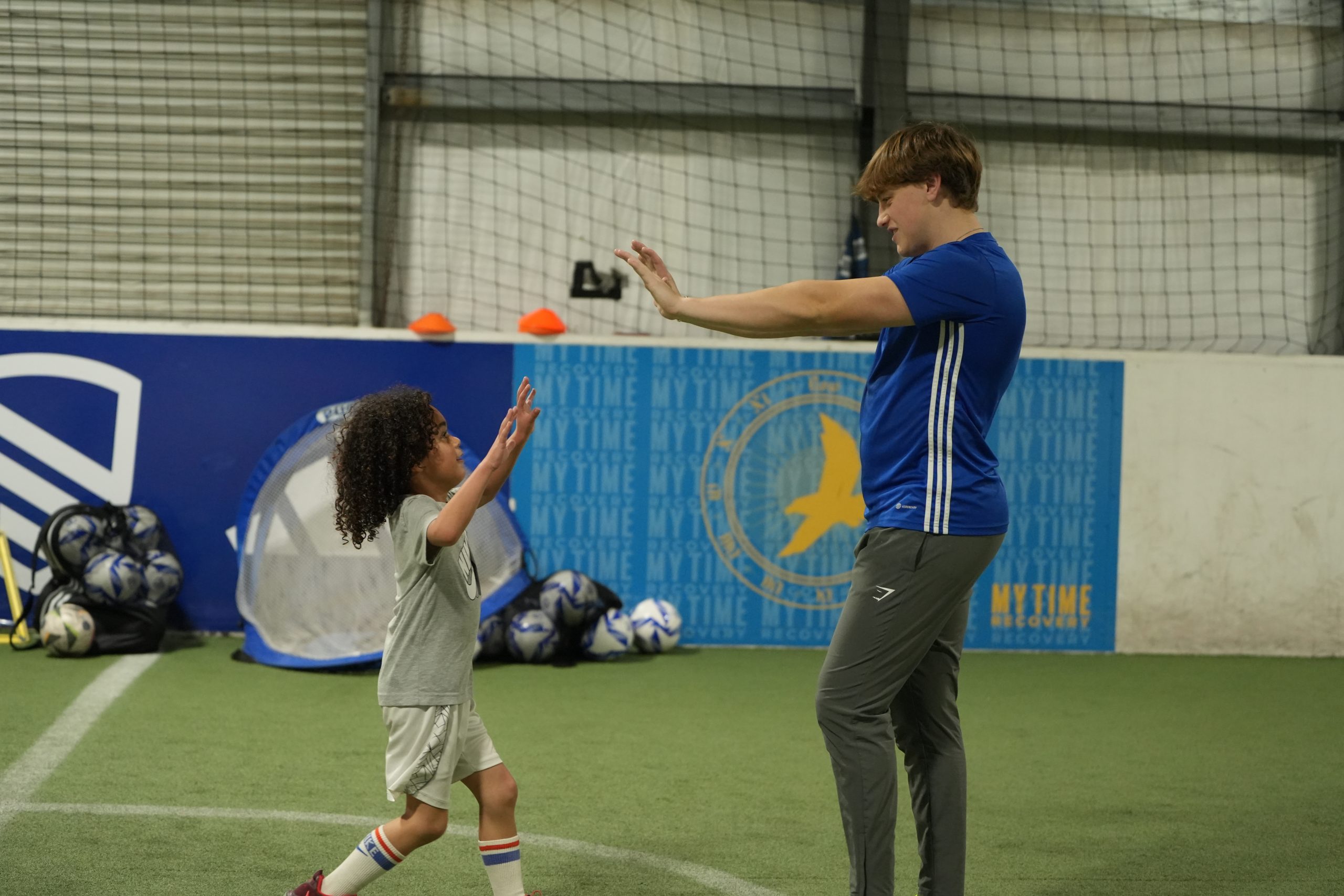
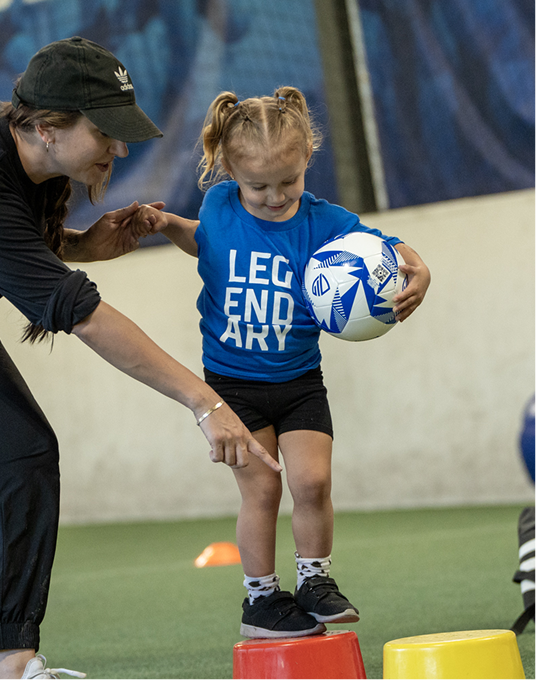
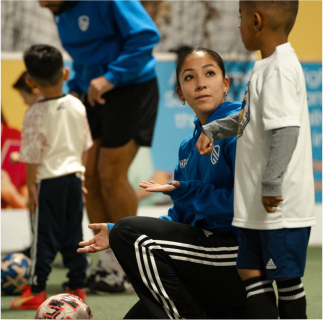
HPA coaches are trained to recognize student strengths, learning preferences, and areas for growth. Their role goes beyond supervision, they model skills, provide real-time feedback, and encourage students through every step. When a coach adjusts an activity or offers one-on-one guidance, that’s differentiated learning in action.
How Coaches Adapt to Different Student Needs
Understanding the Whole Child
Coaches start with relationship-building. Through quick check-ins and observation, they learn how each student is feeling, what excites them, and where they might need extra support. Whole-child awareness helps coaches create an environment where students feel safe, seen, and ready to learn.
Adjusting Activities in Real Time
Sometimes, a lesson that may work for some may not work for others. Coaches might adjust the difficulty of a task, offer alternate instructions or extended time, or reorganize groups during the session. This approach means no student gets left behind and everyone has a chance to feel successful and supported.
Encouraging Confidence
Differentiated learning isn’t just about adaptation, it’s about empowerment. By offering choices, celebrating small wins, and encouraging students to take ownership of their learning, coaches help build confidence and independence. Students learn that it’s okay to start where they are, and also see how far they can go when given the right support.
The Impact of Differentiated Learning on Student Growth
Differentiated support can help learners participate more, build confidence, and stay invested in their progress. At HPA Pathways, that means:
- Students who might have struggled in a “one-size-fits-all” setting are given a safe, supportive environment to catch up and grow.
- Students who are advanced get challenges that match their pace, keeping them engaged and energized.
- Resulting in meaningful growth for learners academically and emotionally.
With differentiated learning, Pathways becomes a truly inclusive, ELOP solution that adapts to each child rather than forcing all children into the same model.
Your Path Forward Starts Here
Meeting students where they are isn’t about lowering expectations. It’s about raising the bar for how we support each child’s journey, no matter their starting point.
With HPA Pathways, differentiated learning is the foundation. We prioritize individual support, whole-child growth, and real outcomes.
If you’re looking for a partner who understands that every student learns differently, discover how HPA Pathways can bring differentiated ELOP programming to your district.