
Social Emotional Learning Examples That Drive Positive Outcomes in Schools
Schools today are tasked with a significant responsibility that goes beyond academic instruction. Educators and administrators are increasingly focused on the whole child by addressing mental well being, behavioral growth, and interpersonal skills. This holistic approach is best achieved through a robust focus on social-emotional learning. When integrated effectively into the school day, this type of learning drives measurable positive outcomes in attendance, behavior, and academic success.
Below are impactful social-emotional learning examples and strategies that are making a difference in schools right now.
Building Connection Through Morning Meetings
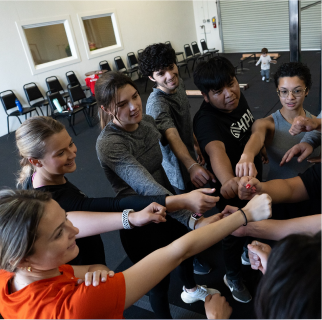
A strong start to the day sets the tone for everything that follows. Many successful schools implement daily morning meetings or check-ins to build community before academics begin. These brief sessions allow students to:
- Greet one another by name to foster belonging
- Share feelings in a safe and controlled space
- Practice active listening skills with their peers
- Prepare for the day with a positive mindset
This routine creates an environment where students feel safe and valued. When students feel connected to their peers and teachers, they are more likely to engage in the learning process and take positive risks in the classroom.
Structured Play and Movement Based Learning
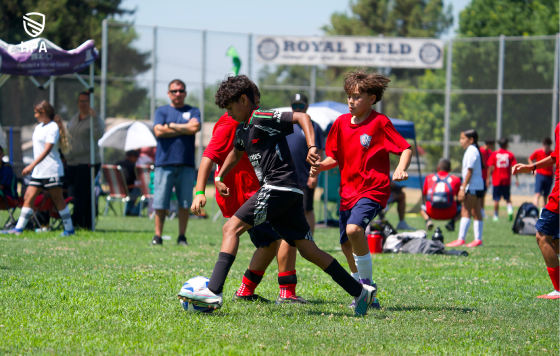
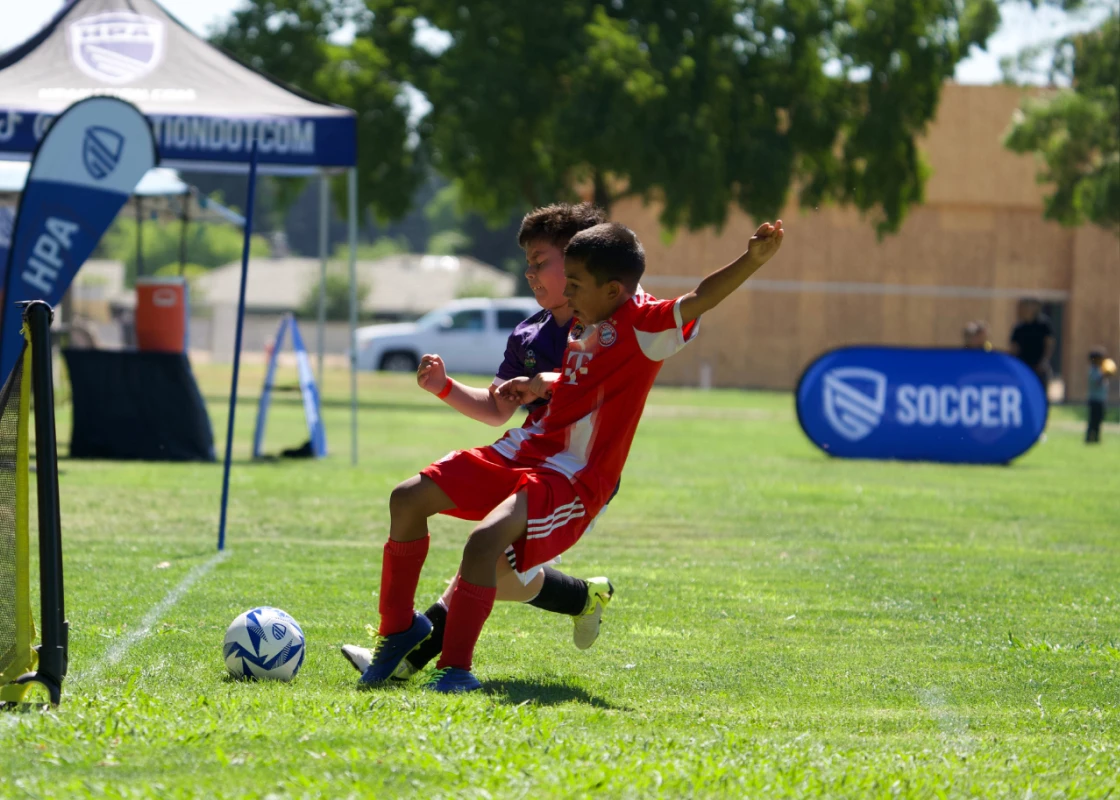
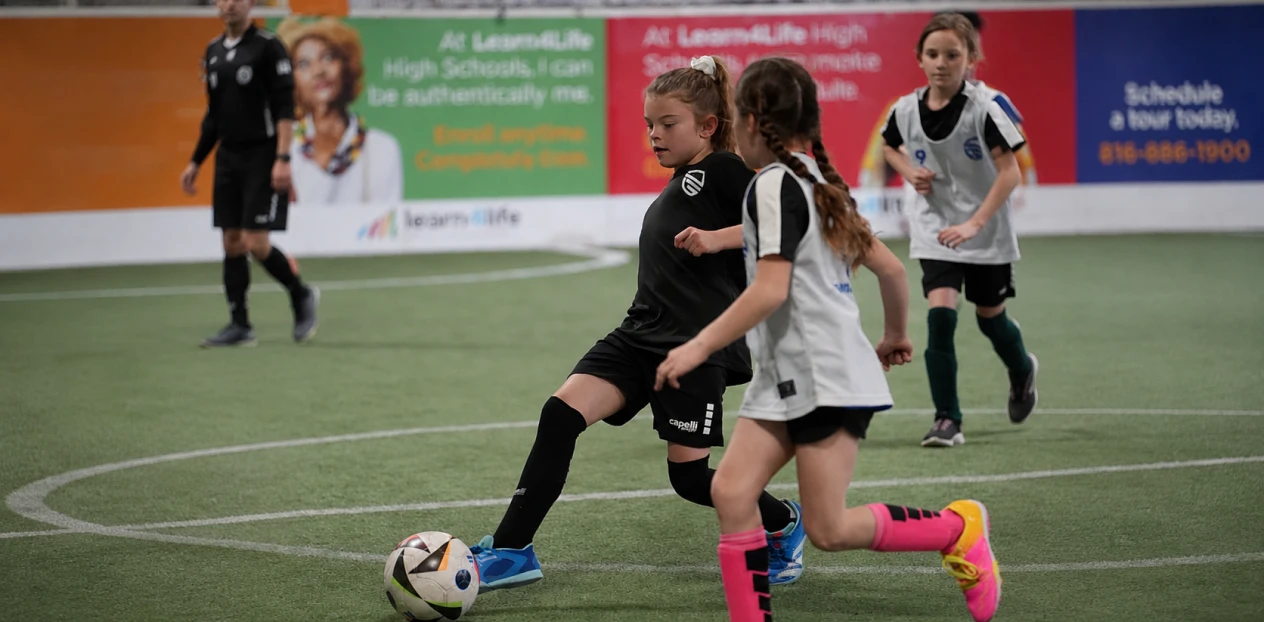
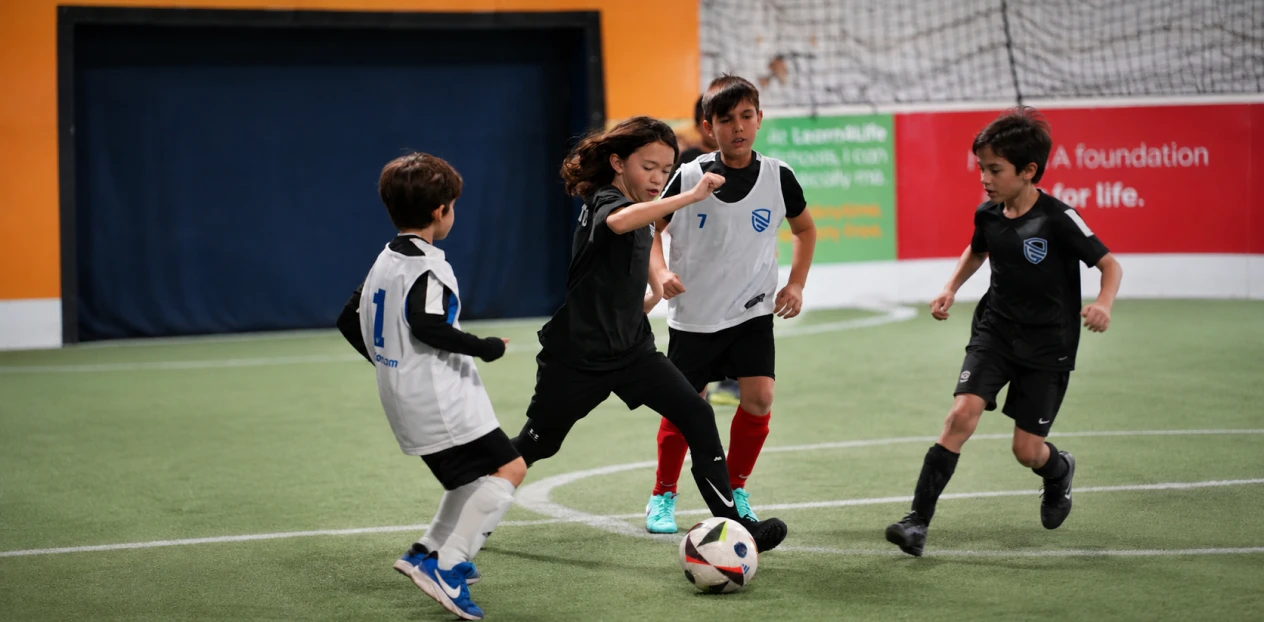
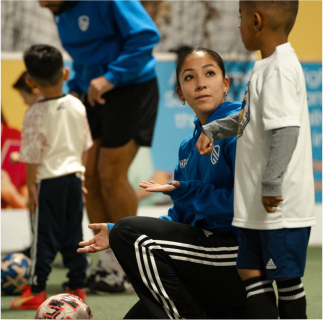
One of the most effective ways to teach social skills is through structured physical activity. Recess and after school sports are not just breaks from the classroom. They are vital opportunities for students to practice teamwork, emotional regulation, and fair play in real time.
At HPA, our coaching philosophy directly supports social-emotional learning by emphasizing:
- Clear communication and feedback to help students understand expectations
- Positive reinforcement and encouragement to build self esteem
- A focus on confidence and sportsmanship in every game
Our structured recess programs and leagues give students a safe environment to channel their energy. Instead of chaotic free play which can lead to conflict, structured play provides clear rules and mentorship.
Conflict Resolution and Peer Mediation
Conflict is inevitable, but it can also be a powerful teaching tool. Schools that prioritize social-emotional learning often use specific protocols to help students navigate disagreements. Rather than simply punishing negative behavior, educators can use these moments to teach responsible decision making.
Key examples of conflict resolution strategies include:
- Peace Corners: Designated quiet spaces where students can go to regulate their emotions before rejoining the group.
- Peer Mediation: Programs where older students are trained to help younger peers navigate minor disputes.
- Reflective Listening: Coaching students to repeat what they heard their peers say to ensure understanding.
Mentorship Programs for Sustained Support
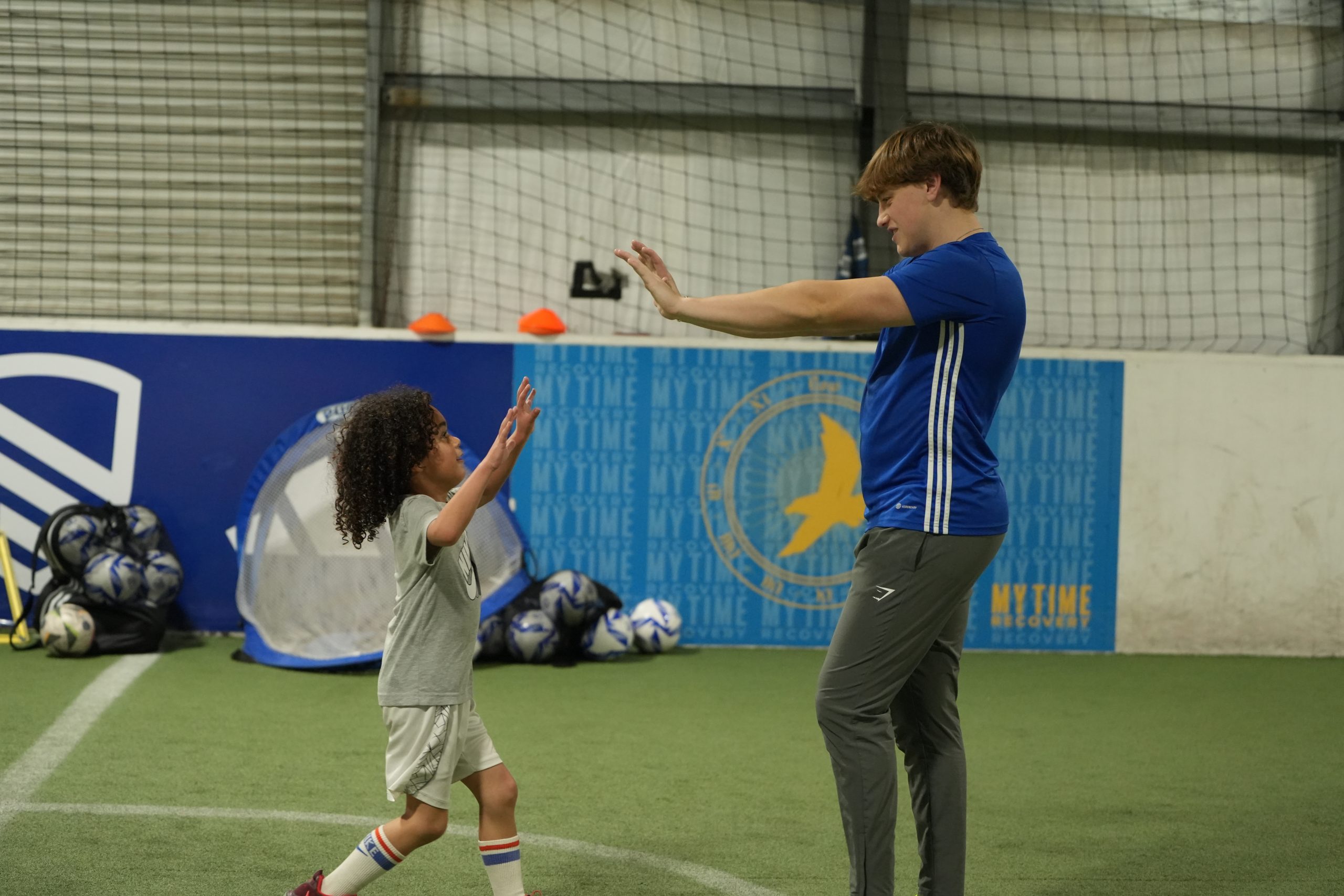
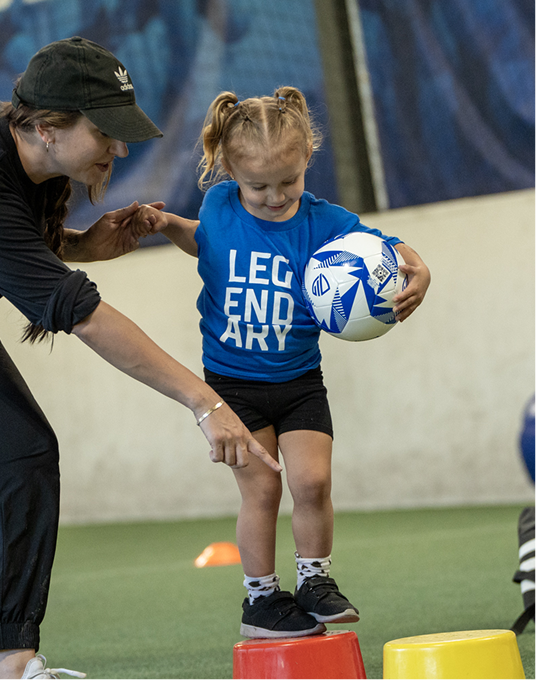
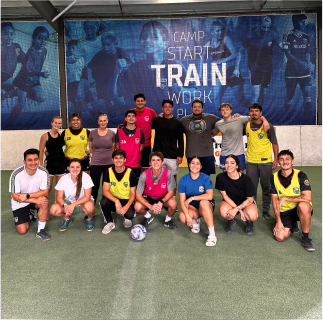
Students thrive when they have trusted adults they can rely on outside of their immediate family. Mentorship programs within the school environment provide consistent encouragement and guidance. HPA coaches focus on building relationships and creating a positive experience for every player.
A strong mentorship program helps students:
- Build stronger social skills through positive role modeling
- Maintain fitness and overall activity levels
- Develop confidence through repetition and encouragement
This relationship based approach is proven to improve school attendance and engagement. When students know a mentor is waiting for them, they are more excited to show up and participate.
Driving Outcomes Through Partnership
Implementing these social-emotional learning examples requires resources, training, and partners who understand the school ecosystem. HPA works directly with school districts to align our programs with their specific goals.
We ensure that every athlete and student has the opportunity to grow by providing:
- Intentional coaching that prioritizes the whole player
- Structured programming that keeps students engaged
- Environments that support skill development and confidence
By integrating structured mentorship, sports, and social-emotional learning into the school day, we can empower students to succeed both on and off the field.