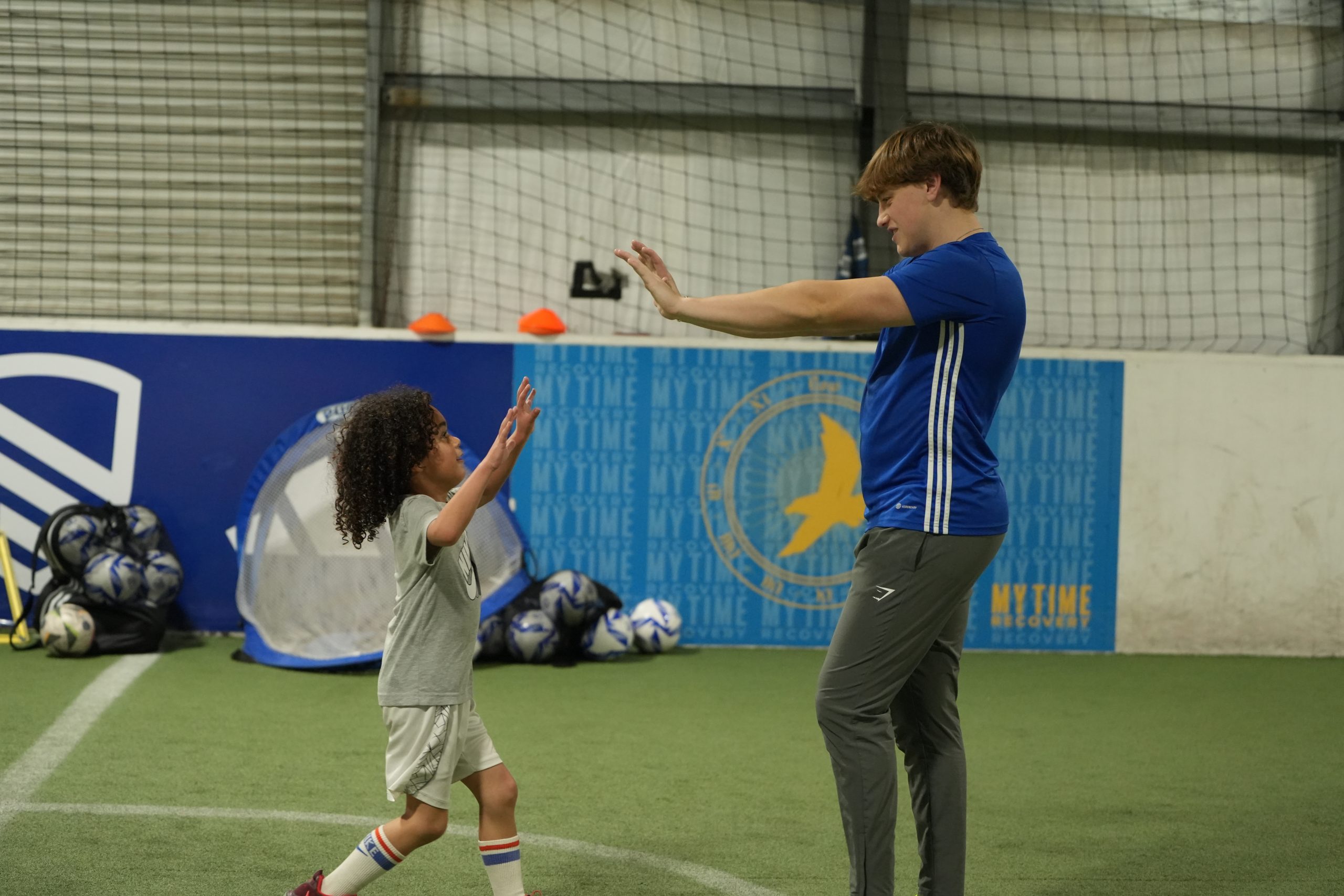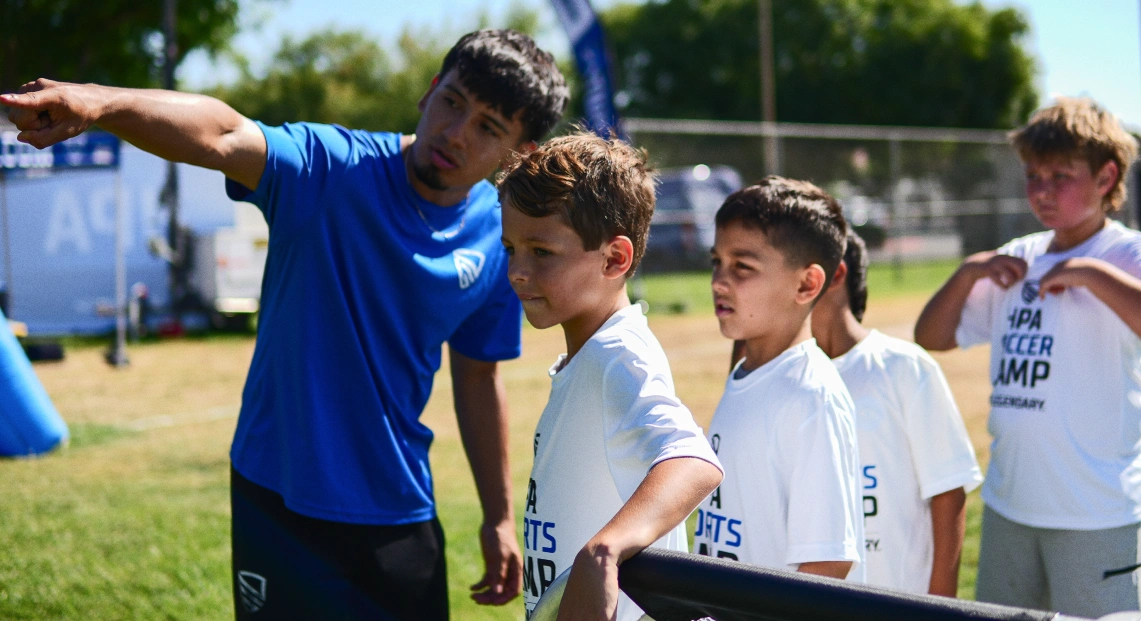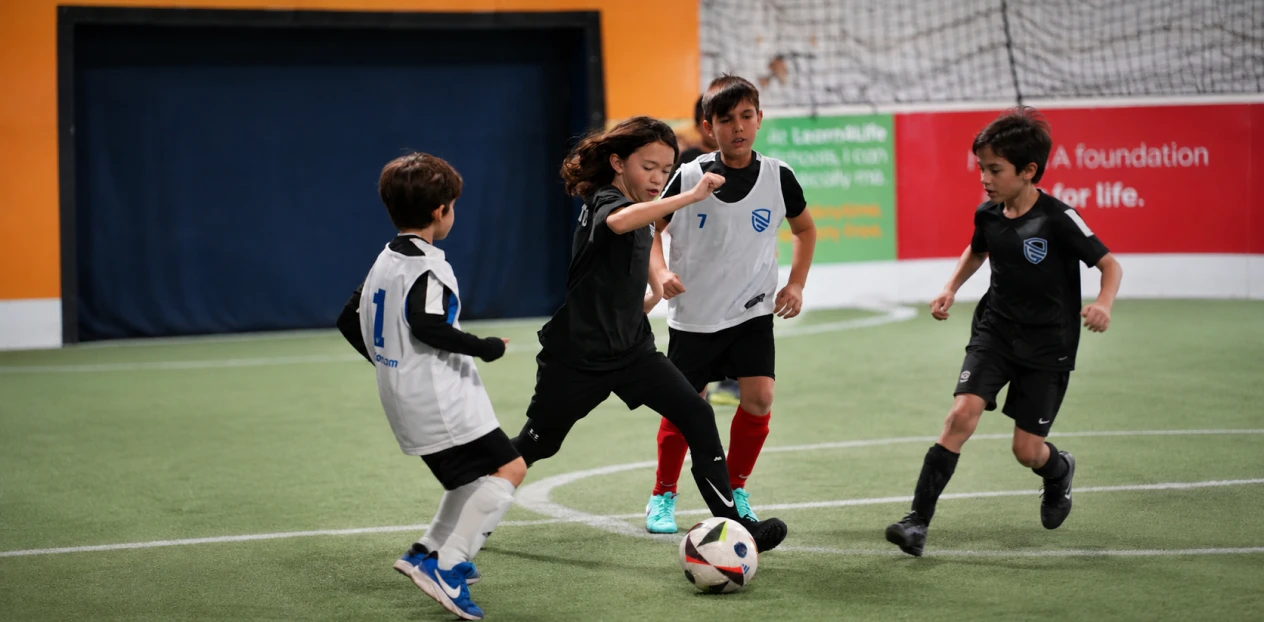

The short version: The Expanded Learning Opportunities Program, known as ELO-P, is a California state-funded program that gives school districts formula-based funding to offer before school, afterschool, and summer enrichment for students in transitional kindergarten through sixth grade. It is not a competitive grant. The goal is hands-on, student-centered learning that complements the school day rather than extending it.
Since its launch, it has directed significant state funding toward enrichment programs that give students more time for learning, movement, and development outside the regular school day.
This guide covers what school administrators need to know: what the program requires, how funding works, and what strong implementation actually looks like.
What is the Expanded Learning Opportunities Program?
ELO-P is a California state-funded initiative established by Assembly Bill 130 as part of the 2021-22 state budget and codified in California Education Code Section 46120. It provides ongoing formula-based funding to local educational agencies to operate enrichment programs for students in transitional kindergarten through sixth grade.
According to the California Department of Education, expanded learning means before school, afterschool, summer, or intersession programs that focus on developing the academic, social, emotional, and physical needs and interests of students through hands-on, engaging learning experiences. The legislature’s intent is clear: ELO-P programs should be student-centered, results-driven, include community partners, and complement but not replicate the regular school day.
ELO-P is not an extension of instructional time. It is meant to fund something genuinely different, and the best programs treat it that way.
Who is eligible and how is funding calculated?
ELO-P is available to all California school districts and charter schools offering classroom-based instruction for TK-6 students. Allocations flow automatically through the CDE’s Principal Apportionment process. No competitive application is required.
Funding is calculated based on two factors: prior year average daily attendance for TK-6 students, and the district’s Unduplicated Pupil Percentage. According to the California Department of Education, each LEA’s entitlement is determined by its prior year P-2 classroom-based ADA in grades TK-6 and its UPP in grades TK-12. The UPP definition is established in California Education Code Section 42238.02. Schools with higher UPP receive proportionally more funding. Starting in 2025-26, LEAs may formally opt out by filing an annual declaration with the CDE.
What are some of the core program requirements?
Schools receiving ELO-P funding must meet the following obligations under Education Code Section 46120:
- Nine combined hours per school day. LEAs must offer students a minimum of nine hours of combined instructional time and in-person expanded learning on each instructional day.
- Thirty days of summer or intersession programming. At least 30 non-school days of expanded learning, each with a minimum of nine hours of in-person programming.
- A board-approved ELO-P plan. The plan must address the CDE’s quality elements, be available for audit, and have its URL submitted alongside annual expenditure reports.
Once base requirements are met, LEAs may expand programming to additional grade spans or extend hours further. The requirements set a floor, not a ceiling.
What can ELO-P funding be used for?
The CDE does not publish a strict itemized list of allowable uses, but all expenditures must be necessary and reasonable for an ELO Program activity, consistent with the LEA’s policies and procedures, and adequately documented. Full guidance is available in the CDE’s ELO-P FAQ, Allowable Uses section.
ELO-P funds can be blended with ASES and 21st CCLC funding, though no single expense can be charged to more than one source. Details on how the three funding streams are intended to work together are available in the CDE FAQ.
ELO-P funds cannot be used to pay for activities that occur during the regular school day. More on what does and does not qualify is covered in the CDE FAQ, Allowable Uses section.
Community partnerships are explicitly encouraged by the legislature. Programs are intended to include community partners and complement, but not replicate, learning activities in the regular school day and school year. More detail is available on the CDE’s main ELO-P page. Those partnerships must align with the district’s board-approved ELO-P plan.
What does a strong ELO-P implementation look like?
Meeting the hour and day requirements is the baseline. What separates compliant programs from effective ones is intentional design.
Schools using ELO-P funding most effectively share a few characteristics: they build programs around a clear vision rather than filling time, they rotate students through a mix of movement, SEL, and skill-building activities, they invest in trained and consistent staff, and they treat community partnerships as a genuine program asset rather than a procurement decision.
The CDE’s quality framework includes continuous improvement as a required element. Schools that take that seriously build programs that strengthen over time rather than plateau at compliance.
Frequently asked questions
Is ELO-P free for families?
Yes. ELO-P-funded programs are provided at no cost to families.
Can charter schools receive ELO-P funding?
Yes. All California school districts and charter schools offering classroom-based TK-6 instruction are eligible, including frontier and remote-classified schools.
Can schools use community organizations to deliver ELO-P programming?
Yes, and it is explicitly encouraged. Contracted provider costs are an allowable use of ELO-P funds. Partnerships must align with the district’s board-approved plan and be accountable to program outcomes.
What happens if a school does not spend its ELO-P funding?
Funds must generally be spent or encumbered within the fiscal year and returned to the state if unused. Districts should consult current CDE guidance for year-specific deadlines.
Explore HPA
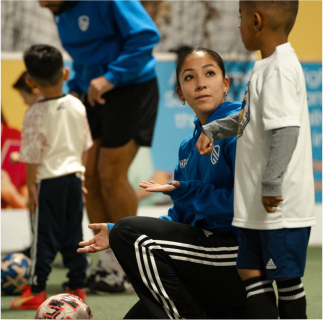
High Performance Academy partners with California schools to deliver expanded learning programs that meet ELO-P requirements and actually engage students. Our programs bring trained coaches onto school campuses to lead structured sports, cooperative games, and SEL-integrated enrichment that turns afterschool and summer hours into some of the most valuable parts of the school day.
If your school or district is looking for a community partner to strengthen your expanded learning offerings, we would be glad to connect.
Learn more about HPA school partnerships here.