
Midday Movement That Matters: Recess and Brain Breaks for Kids That Support Learning
By the middle of the day, many students are running low on energy, focus, and patience. After hours of sitting and concentrating, even motivated learners can struggle to stay engaged. This is where intentional movement becomes more than a break. It becomes a tool for learning.
Recess and brain breaks for kids play a critical role in supporting academic success, emotional regulation, and overall well being. These short, structured moments of movement help reset the brain, improve focus, and prepare students to re-engage with learning. In afterschool and ELOP programs, brain breaks are especially important because students arrive with the full school day already behind them.
At HPA Pathways, movement is intentionally built into programming to support the whole child and create learning environments where students can thrive.
Why Brain Breaks for Kids Matter
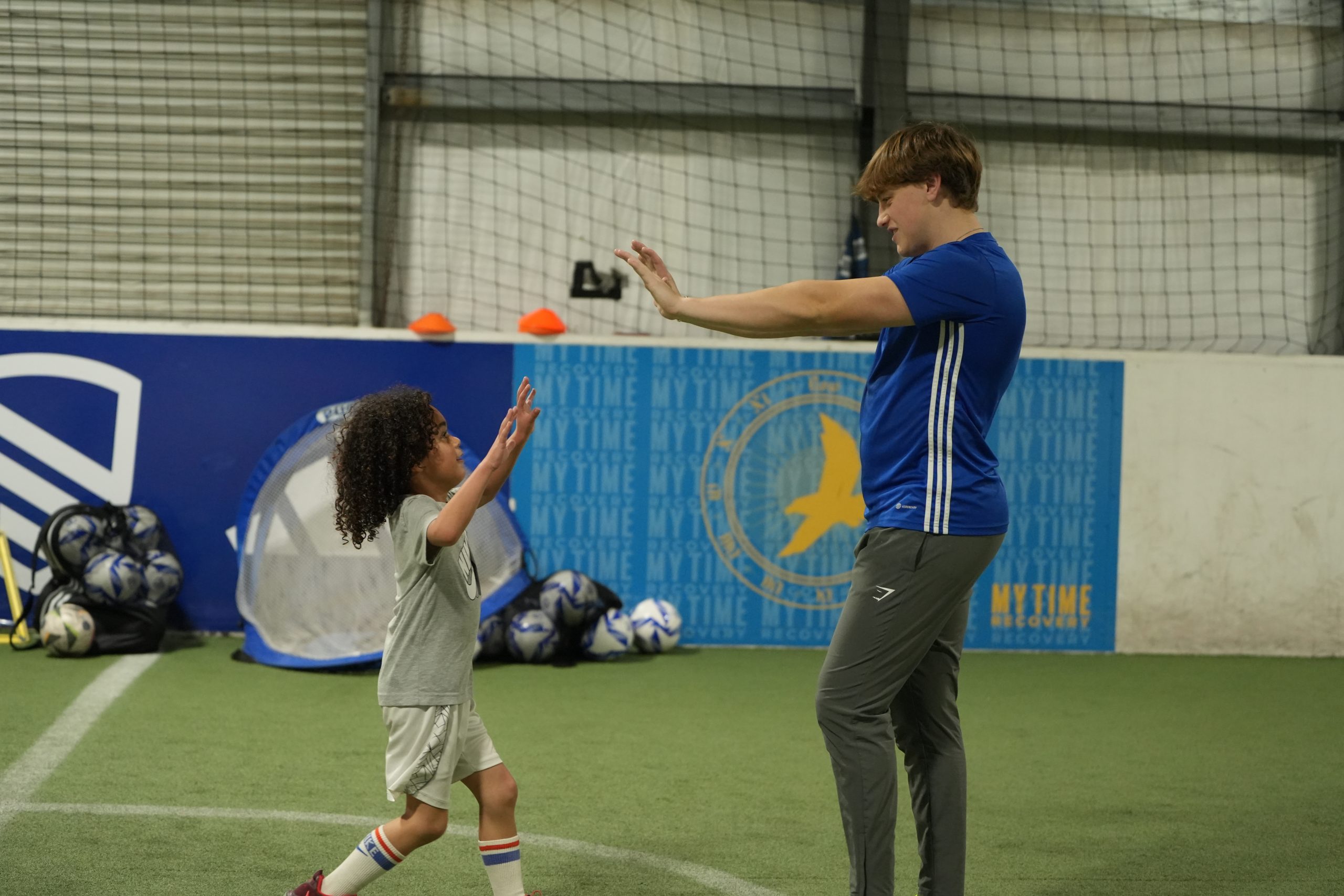
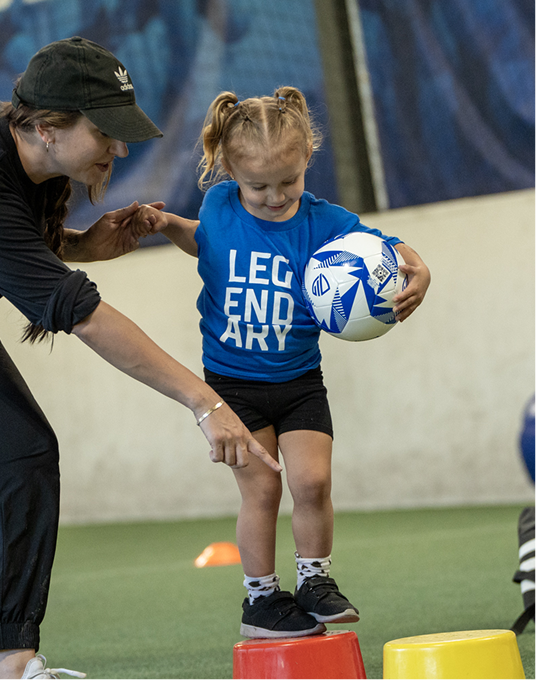
Brain breaks for kids give students the opportunity to pause, move, and reset mentally and physically. Rather than taking away from learning time, these breaks help students return to activities more focused and ready to participate. Movement increases blood flow to the brain, improves mood, and supports attention and memory. Without regular opportunities to move, fatigue and frustration can build quickly, making it harder for students to stay engaged.
The Connection Between Movement and Learning
Learning is not just academic, It’s physical, emotional, and social. Brain breaks for kids support learning in several important ways.
- Improved focus and attention after movement
- Better emotional regulation and reduced stress
- Increased engagement and motivation
- Stronger memory and information retention
These benefits are especially valuable in expanded learning environments, where students need support staying energized after a full school day.
Recess as a Learning Support
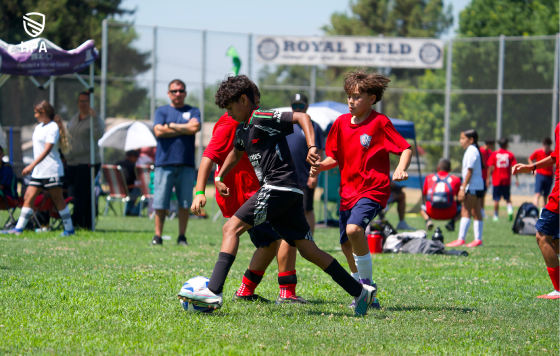
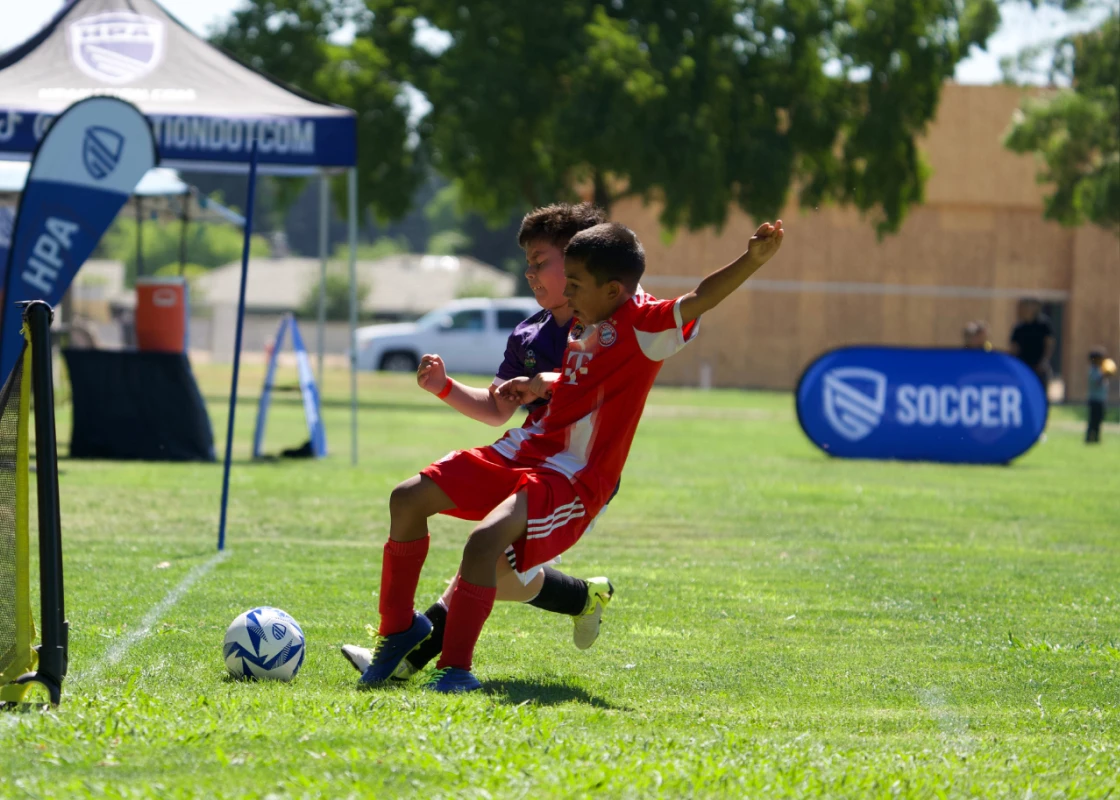
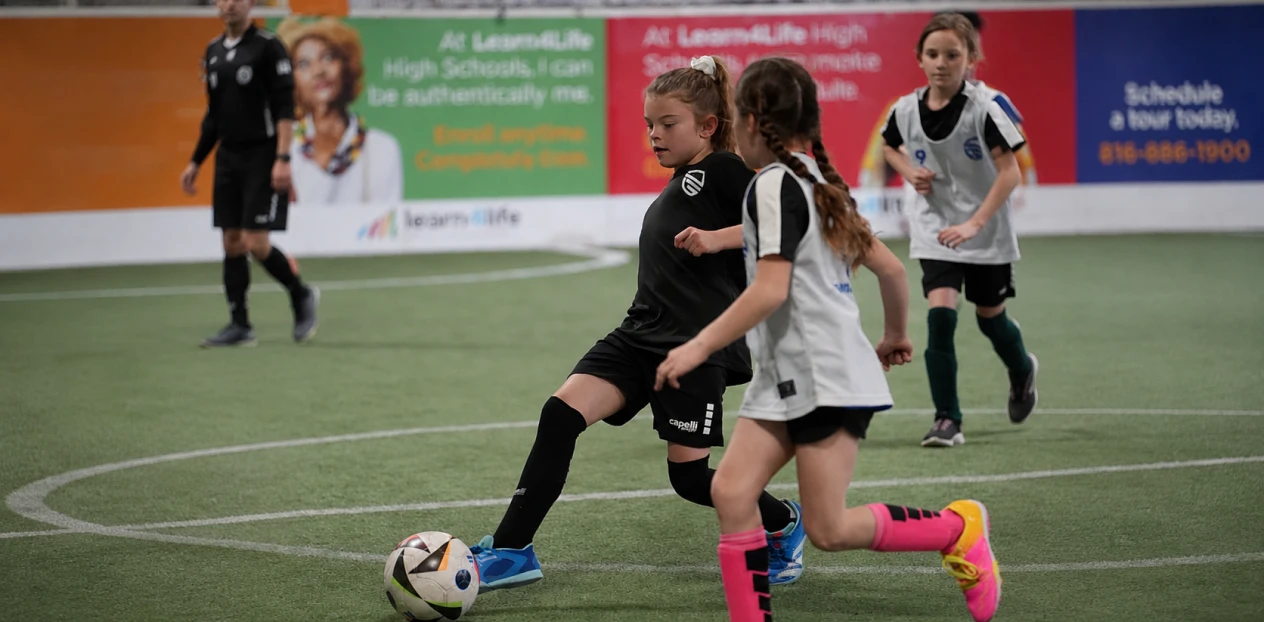
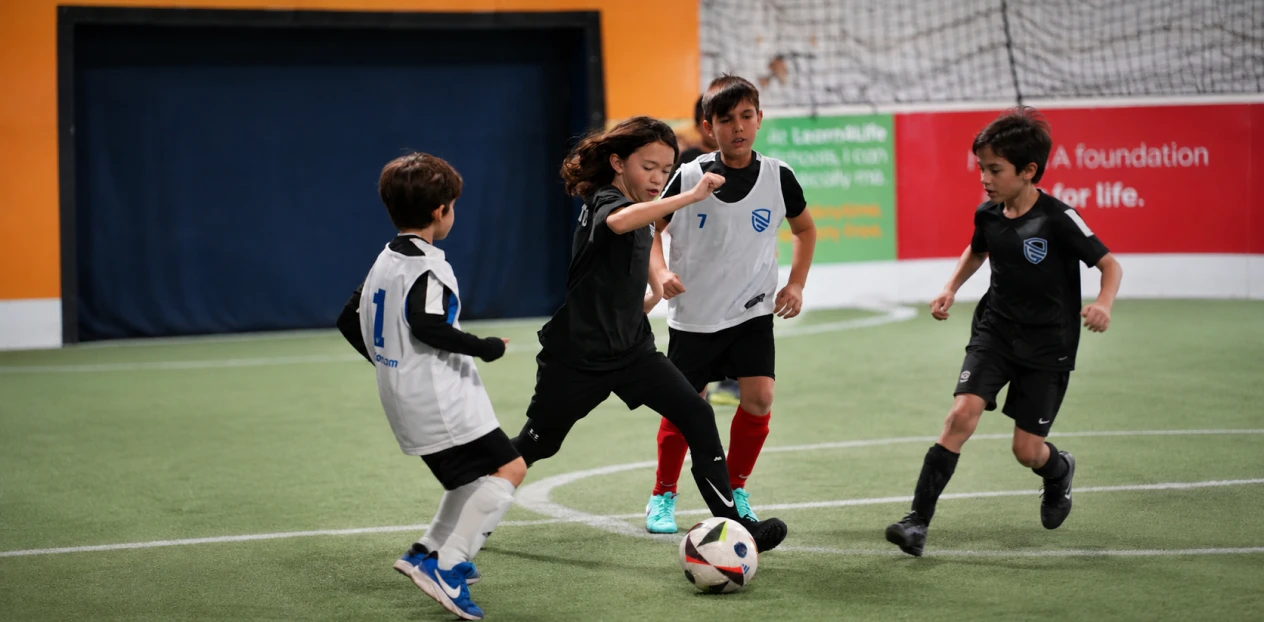
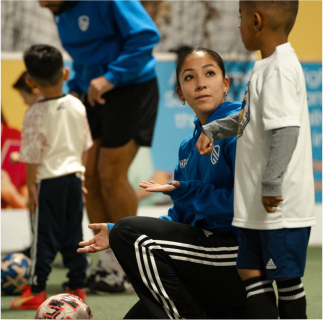
Recess provides students with unstructured time to move, play, and connect with peers. When paired with intentional brain breaks for kids, recess supports both academic readiness and social development. Students practice communication, collaboration, and problem solving while giving their brains the downtime needed to recharge.
At HPA Pathways, recess and movement are treated as essential parts of the program, not rewards or optional activities. This approach helps create a balanced environment where students feel supported throughout the day.
Supporting the Whole Child Through Movement
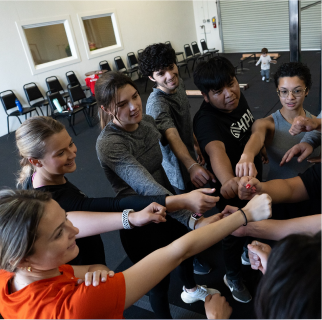
Brain breaks for kids support more than physical health. They help students manage emotions, build confidence, and strengthen social skills. For some students, movement reduces anxiety and improves focus. For others, it prevents burnout and restores motivation. By supporting the whole child, HPA Pathways creates environments where learning feels accessible and positive.
The Impact of Brain Breaks on Student Success
When brain breaks for kids are used consistently and intentionally, students are more engaged, focused, and ready to learn.
- Improved behavior and smoother transitions
- Higher student engagement and participation
- Stronger peer relationships
- A more positive learning environment
Movement becomes a foundation for success rather than a distraction.
Importance of Midday Movement
Midday movement matters. Recess and brain breaks for kids help students reset, re-engage, and perform at their best. By intentionally integrating movement into daily programming, HPA Pathways supports academic growth, emotional well being, and whole child development.
If you are looking for an expanded learning partner that understands the power of movement, HPA Pathways delivers purposeful programming designed to support students where they are and help them grow.