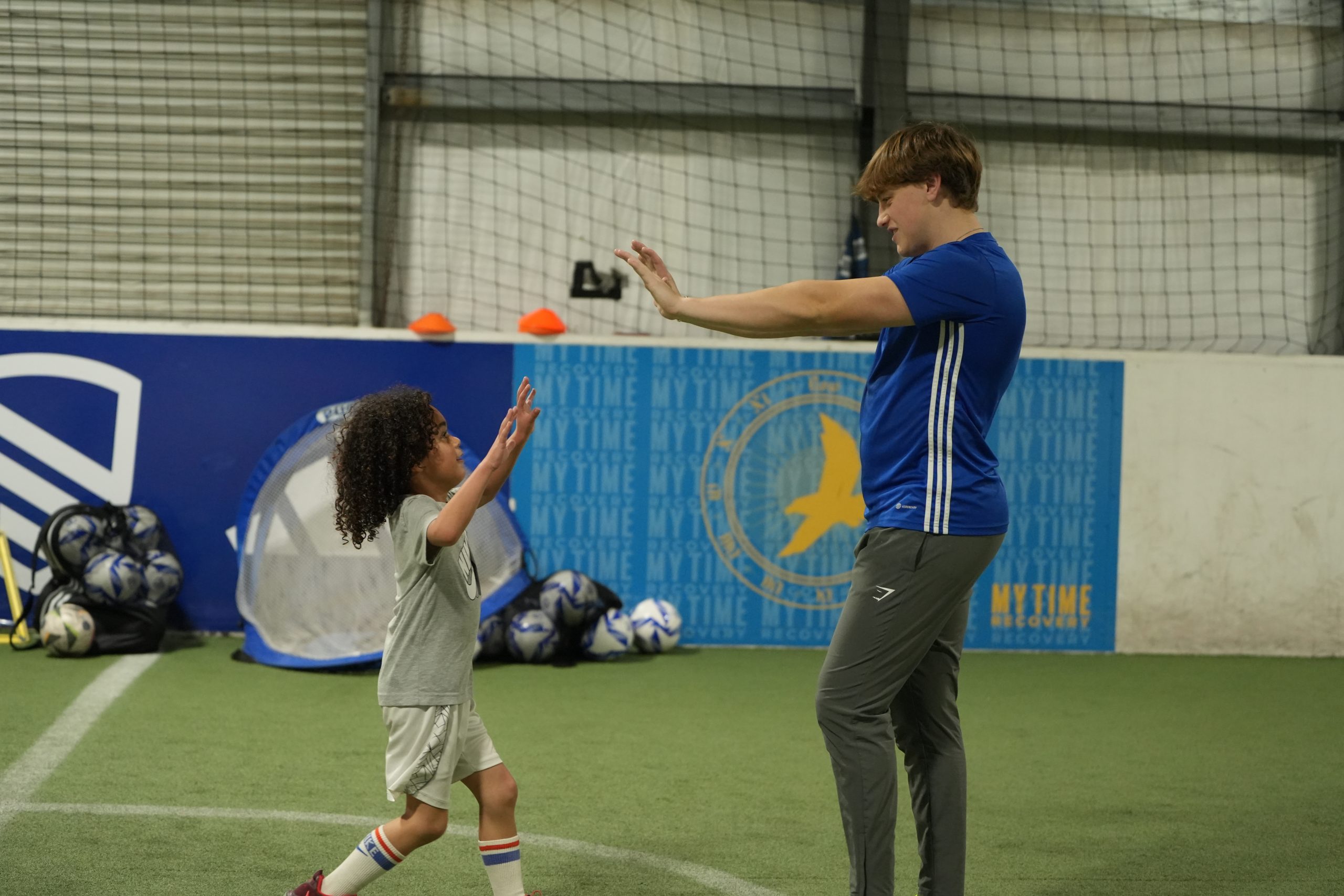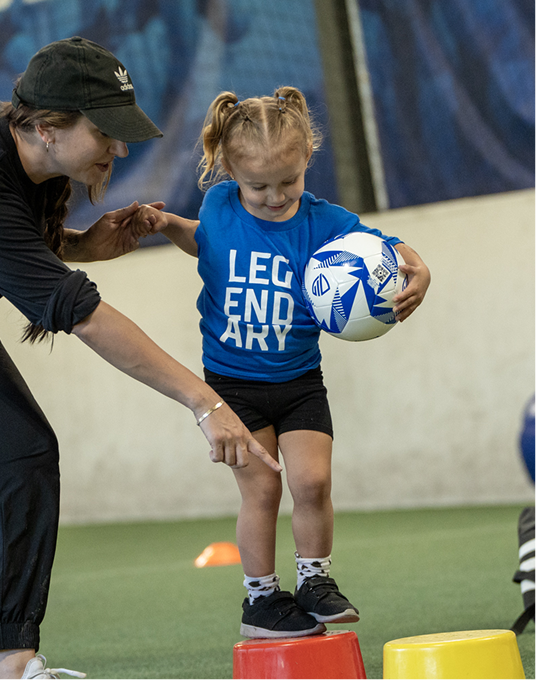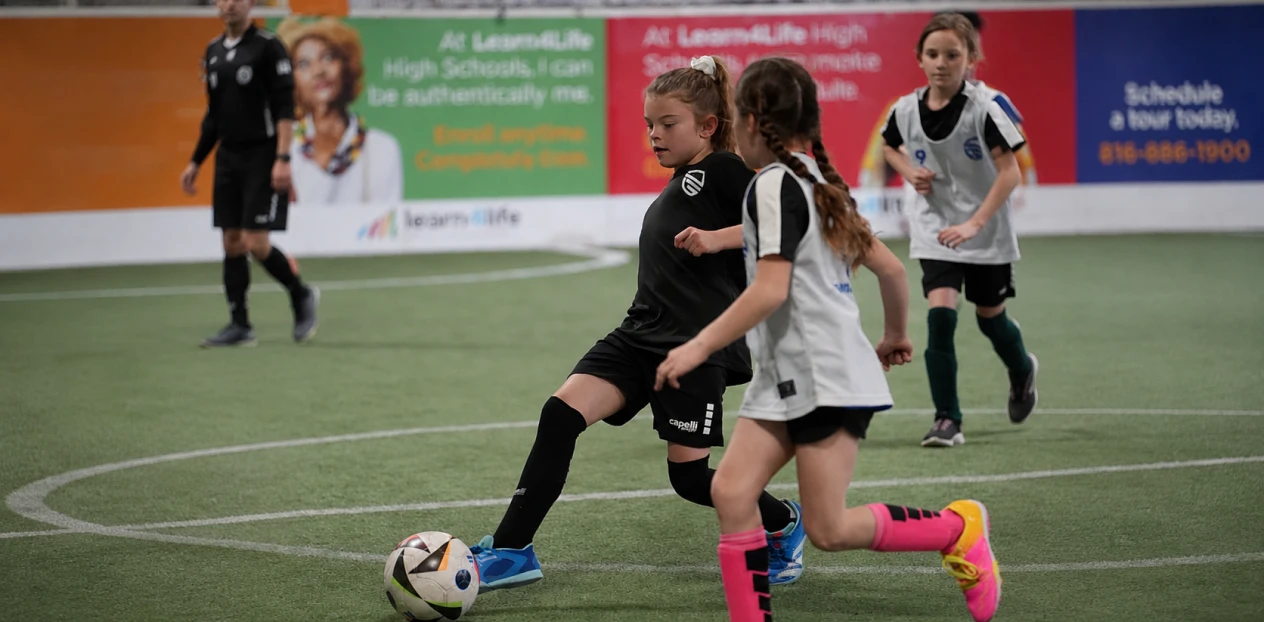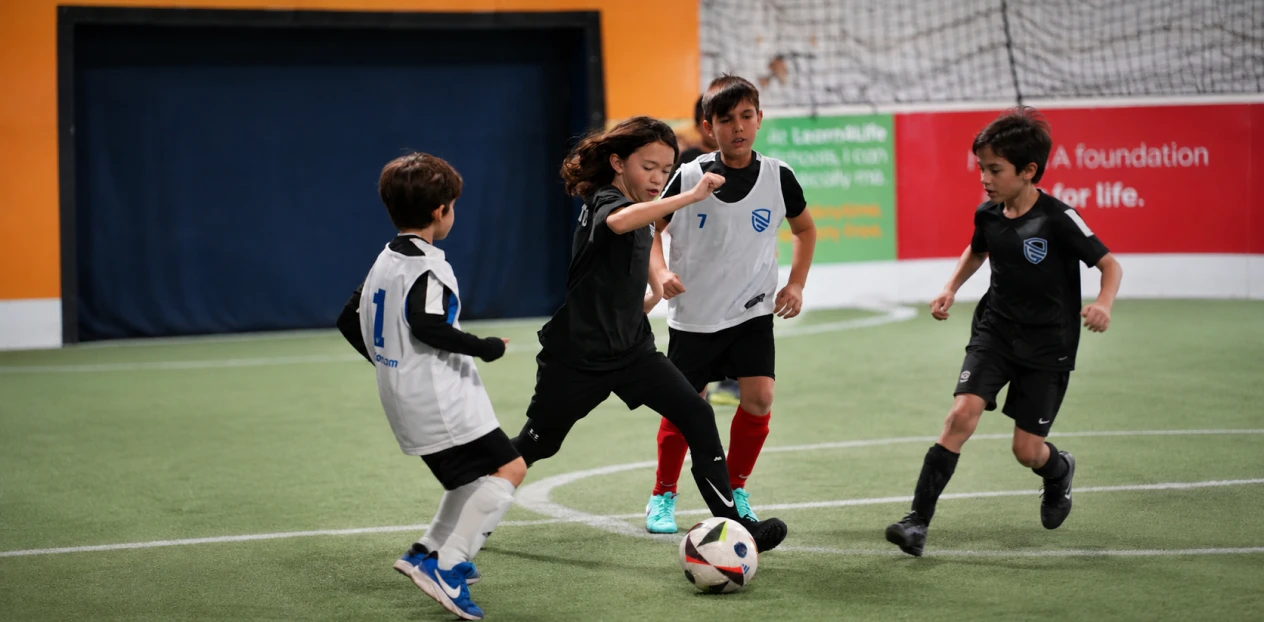

When it comes to youth sports, few options are as exciting and beneficial as a youth indoor soccer league. Indoor soccer combines the fun of the world’s most popular game with a fast-paced, close-contact environment that helps kids sharpen their technique and grow as athletes. Because the game is played on a smaller field and at a quicker pace, children are constantly involved, building skills, confidence, and friendships that carry over into every part of life.
Here are 10 reasons why every child should consider joining a youth soccer league this year.
1. Encourages an Active Lifestyle
Indoor soccer is nonstop action. With smaller teams and fewer breaks in play, kids are constantly moving, running, passing, dribbling, and defending. This constant activity keeps them engaged while providing a full-body workout that feels more like play than exercise.
• Improves endurance and agility in a fun way
• Builds muscle strength and stamina
• Helps kids stay active year-round, no matter the weather
2. Builds Teamwork Skills
In indoor soccer, teamwork is everything. With fewer players on the field, each child has an important role to play. They must communicate, pass effectively, and work together to score and defend.
• Develops strong communication habits
• Encourages trust and support among teammates
• Reinforces the idea that success comes from working together
3. Improves Coordination and Motor Skills
The tight spaces of indoor soccer force kids to think fast and move with precision. Dribbling, passing, and shooting in close quarters help develop excellent ball control and coordination.
• Sharpens foot-eye coordination
• Improves quick decision-making under pressure
• Strengthens balance and agility in fast-paced play
4. Boosts Self-Confidence
Because indoor soccer offers more touches on the ball and more opportunities to be involved in the game, kids see their progress quickly. Every goal scored, pass completed, or skill improved gives them confidence to try even more.
• Builds pride in their growing abilities
• Encourages goal setting and achievement
• Creates a safe, supportive environment for learning
5. Teaches Discipline and Responsibility
Playing in a youth soccer league means showing up prepared and ready to contribute. In indoor soccer, the quick pace requires kids to stay focused, listen to instructions, and take responsibility for their role on the team.
• Reinforces respect for rules and coaches
• Teaches the importance of preparation and practice
• Instills accountability for personal and team performance
6. Fosters Friendships
Indoor soccer leagues are a great way for children to form strong friendships. With smaller rosters, kids spend more time with their teammates, both in practice and in games.
• Builds close connections through shared goals
• Encourages sportsmanship and empathy
• Creates friendships that often extend beyond the season
7. Promotes Problem-Solving Skills
Indoor soccer is fast and unpredictable. Players must constantly adapt, find open spaces, and adjust to opponents’ moves. These quick decisions sharpen critical thinking and creativity.
• Encourages adaptability and resilience
• Improves strategy development under pressure
• Builds confidence in handling challenges
8. Provides a Healthy Outlet for Energy
For active kids, indoor soccer is the perfect way to channel their energy. The constant movement and action give them a positive, structured way to stay engaged.
• Keeps kids focused during practices and games
• Offers a fun release for high energy
• Provides an alternative to excess screen time
9. Supports Emotional Well-Being
The blend of exercise, social interaction, and accomplishment in indoor soccer has a positive impact on children’s mental health.
• Reduces stress and boosts mood
• Teaches resilience in wins and losses
• Provides a sense of belonging and community
10. Instills a Love for the Game
Indoor soccer often sparks a lifelong passion for the sport. The constant involvement helps kids build strong technical skills, making them more confident and eager to keep playing.
• Inspires long-term enjoyment of sports
• Opens pathways to advanced teams or leadership roles
• Cultivates respect for teamwork, dedication, and effort
Why Now Is the Perfect Time to Join
Joining a youth soccer league isn’t just about signing up for a sport, it’s about giving your child the chance to thrive. Indoor soccer’s unique environment helps kids grow technically, socially, and emotionally while having fun every step of the way.
At High Performance Academy, we believe in building more than athletic skills. Our youth soccer programs focus on teamwork, confidence, and character, creating an environment where kids can succeed both on and off the field. Whether your child is brand new to soccer or ready to refine their abilities, our experienced coaches and supportive community are here to help them shine.
Contact HPA today to learn more about upcoming youth soccer league opportunities and how we can help your child reach their full potential.