
Social and emotional learning has been part of education conversations for decades. But what it looks like in practice, how seriously it is taken, and what schools are actually asking programs to do has shifted meaningfully in recent years. For anyone running or partnering on youth programs today, understanding that shift is not just useful context. It changes what effective programming needs to look like.
What Is Social and Emotional Learning in Schools?
Social and emotional learning in schools refers to the process through which students develop the skills to understand and manage their emotions, build positive relationships, and make responsible decisions. The most widely used framework, developed by CASEL (Collaborative for Academic, Social, and Emotional Learning), organizes SEL around five core competencies:
- Self-awareness — recognizing one’s own emotions, strengths, and values
- Self-management — regulating emotions and behaviors to achieve goals
- Social awareness — understanding and empathizing with others
- Relationship skills — communicating, collaborating, and resolving conflict
- Responsible decision-making — making ethical, constructive choices
These are not new concepts. But the way they are being integrated into school schedules, evaluated by administrators, and expected of partner programs has changed considerably.
What Does This Mean for Youth Programs and Their Coaches?
The practical implications are significant for any program working in or alongside schools. Here is what the evolution of social and emotional learning in schools actually asks of programs today:
- SEL cannot be an afterthought. Programs that embed social and emotional skill-building into every session, rather than treating it as an add-on, are far better positioned to meet what schools need and to produce outcomes that stick.
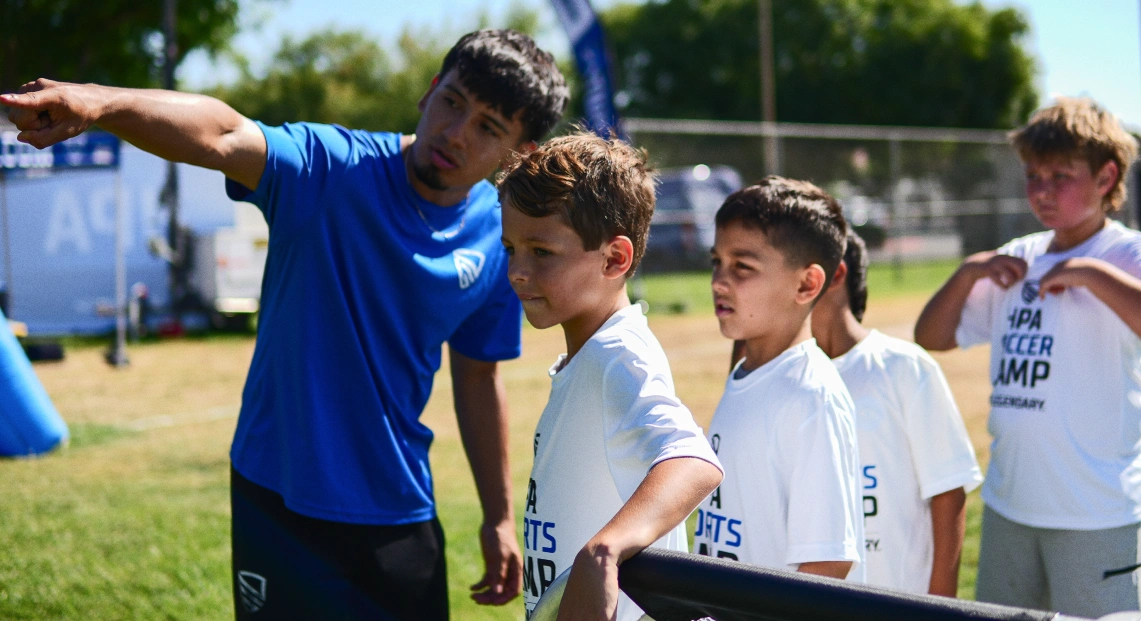
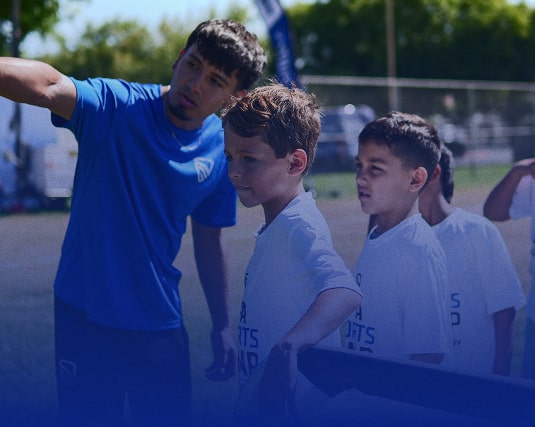
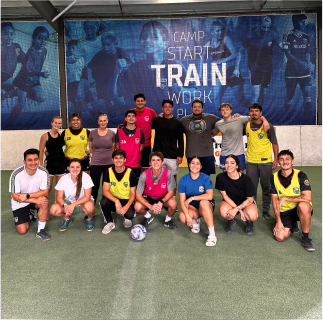
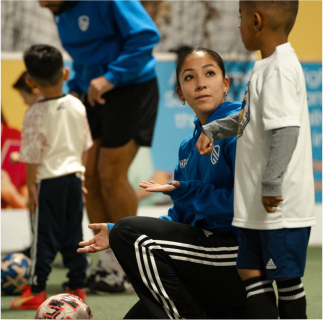
- Coach and staff development matters more than ever. How adults show up with students is at least as important as the activity itself. Programs that invest in coaching staff to model emotional regulation, lead with empathy, and manage conflict constructively deliver a fundamentally different experience.
- Language and alignment with school frameworks builds trust. Programs that can communicate in the language schools are using (CASEL competencies, LCAP goals, whole-child development) are easier for administrators to champion internally.
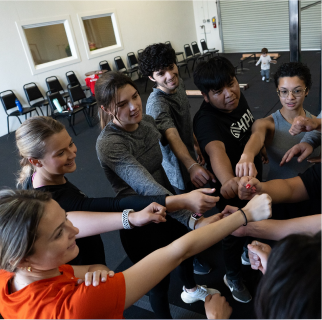
- Structured reflection is a differentiator. Activities that build in moments of reflection, goal-setting, or team debriefs create compounding social and emotional growth that pure activity time cannot replicate.
Why Sport-Based Programming and SEL Are Naturally Aligned
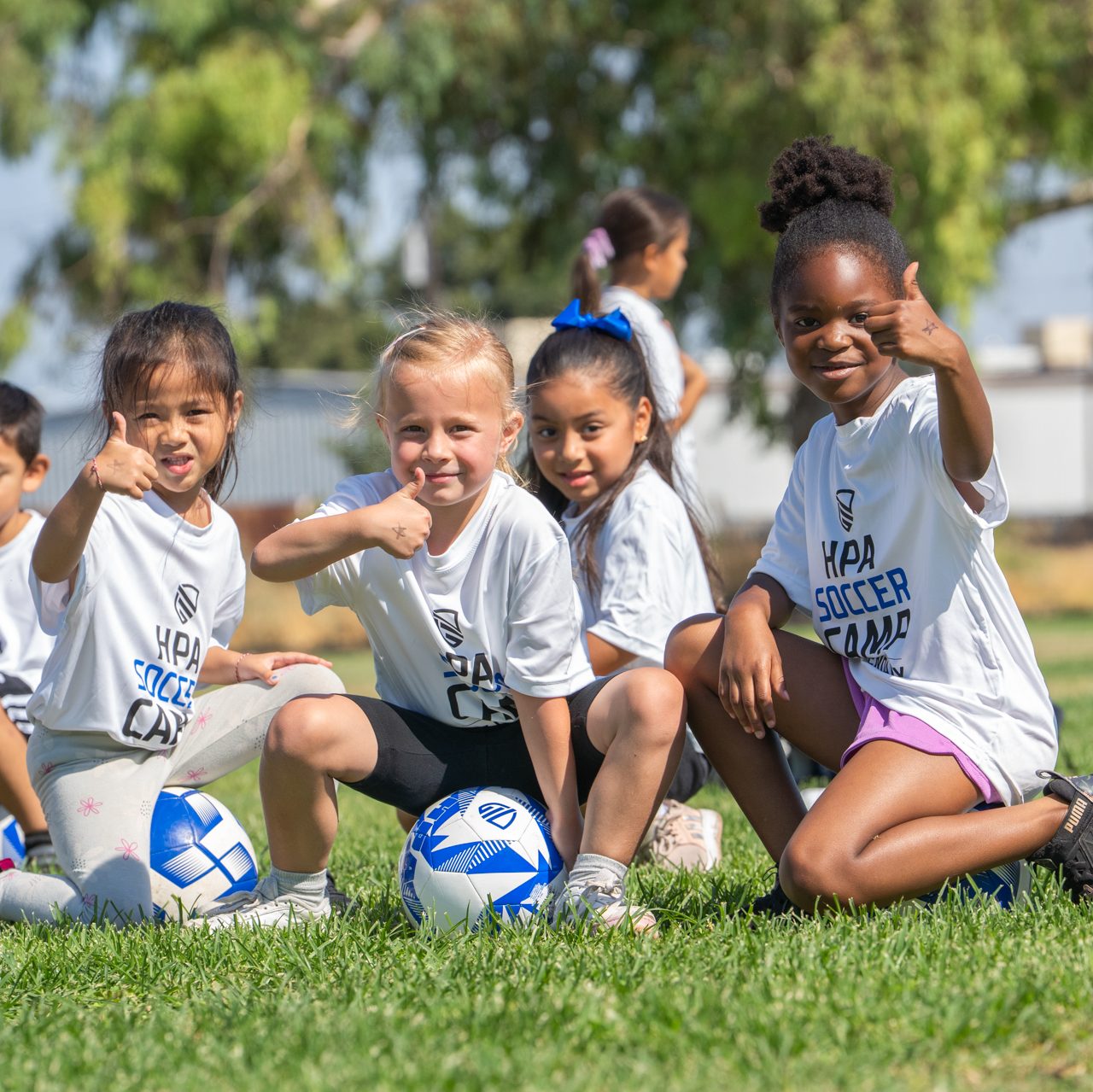
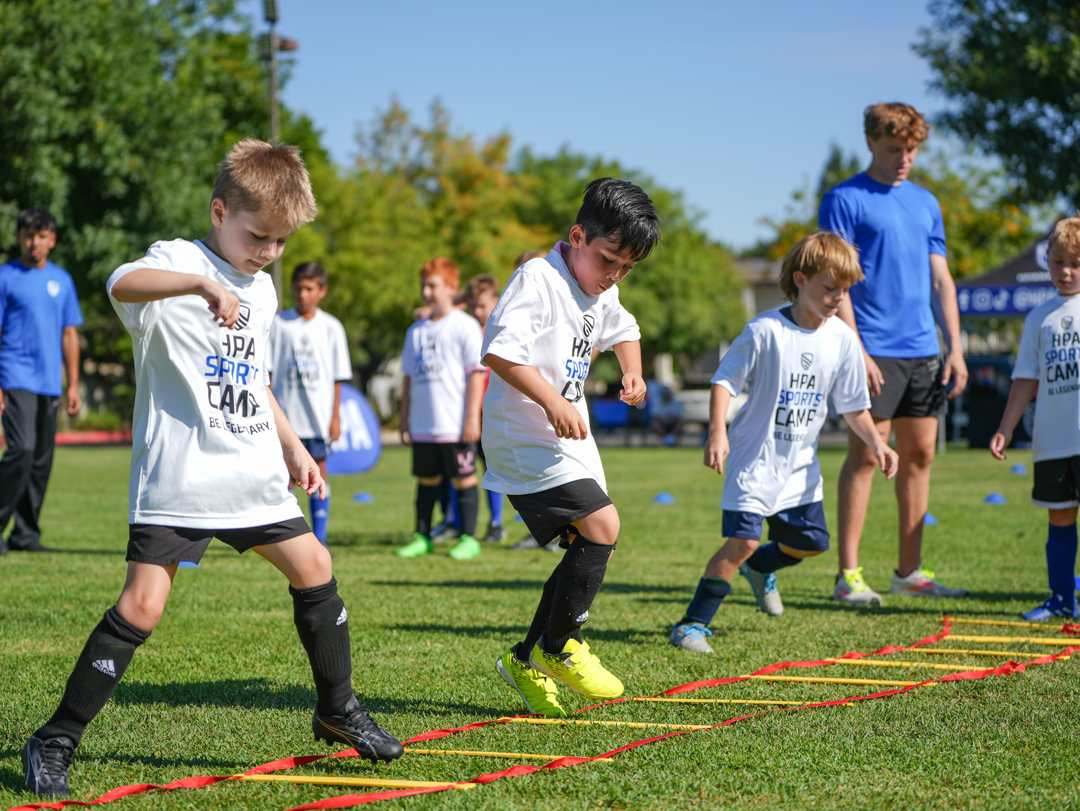
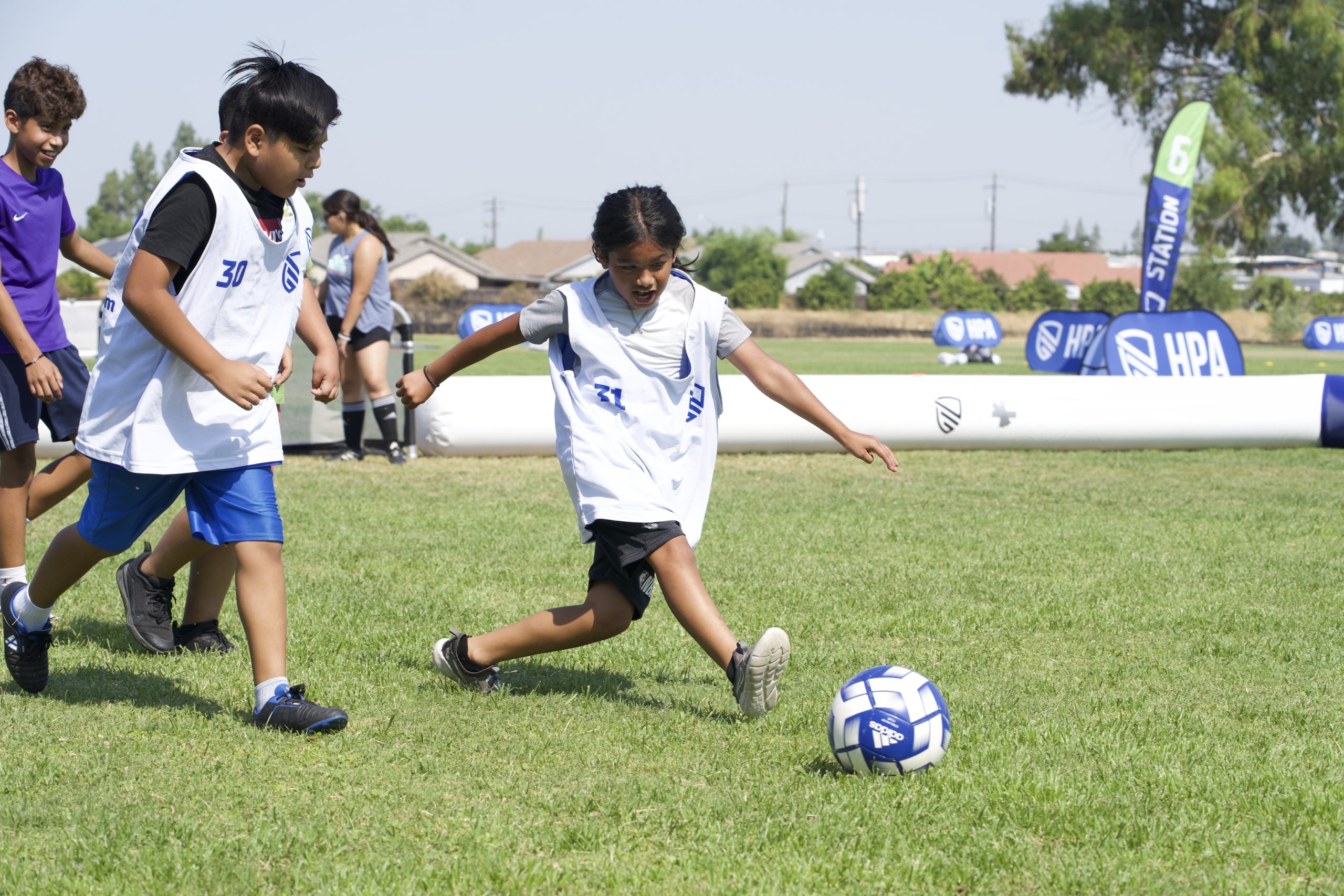
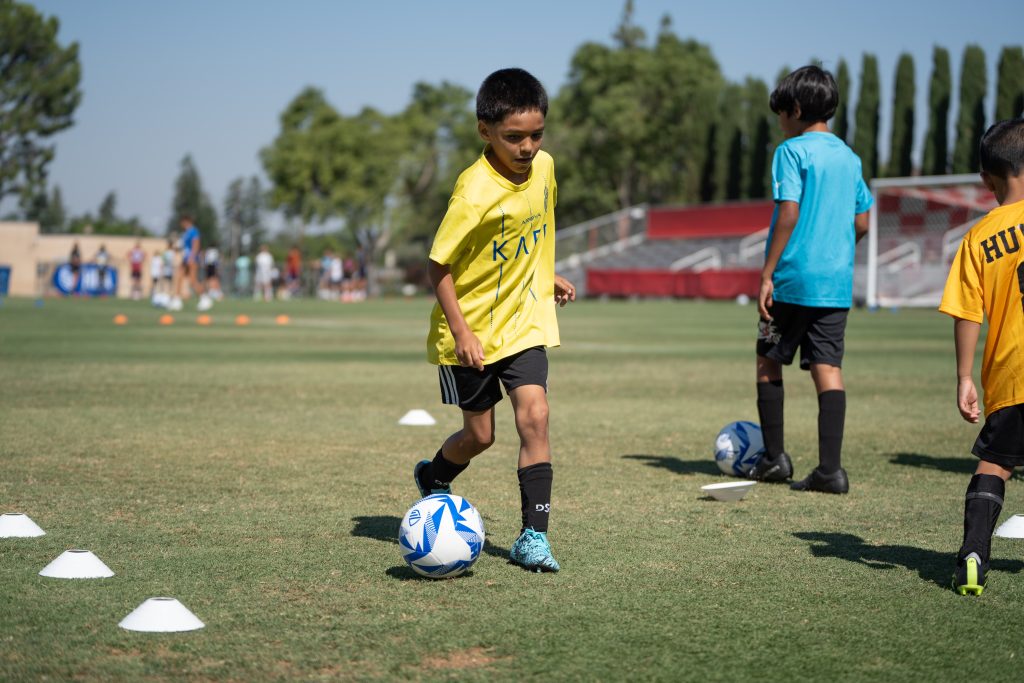
Sport has always been a vehicle for social and emotional development. The question is whether programs are intentional about it. A team sport played well teaches students how to regulate frustration, communicate under pressure, lead peers, and recover from failure. Those are not incidental outcomes, they are exactly the competencies that social and emotional learning in schools is designed to develop.
The difference between a program that delivers SEL and one that does not often comes down to coaching philosophy. When coaches are trained to name emotions, recognize behavior patterns, and create psychologically safe environments, sport becomes one of the most powerful SEL delivery mechanisms available.
How HPA Integrates Social and Emotional Learning Into Every Program
At High Performance Academy, social and emotional learning is not a module we add to our programming. It is the foundation our coaches are trained on and the lens through which we design every session. Our work in schools is built to align with district SEL goals, give administrators language they can use with their own teams, and deliver measurable outcomes for students beyond the playing field.