
There is no shortage of after school program ideas. A quick search will surface dozens of activity lists, curriculum kits, and scheduling templates promising to fill the hours between dismissal and pickup. The harder question, and the more important one, is not what keeps kids busy. It is what actually helps them grow.
Whole-child development is a phrase used often in education circles. But when it comes to after school program ideas that genuinely deliver on that promise, the gap between what sounds good and what works is significant.
What Does Whole-Child Development Actually Mean in an After School Context?
Whole-child development refers to programming that addresses the full range of a child’s needs: physical, social, emotional, and cognitive. In an after school setting, this is not about covering every domain in every session. It is about designing a program where those dimensions are embedded into the structure, not bolted on.
A program that only focuses on academics misses the physical and social development that kids need. One that is purely recreational misses opportunities for skill-building and confidence. The most effective after school program ideas hold all of these in tension, deliberately.
After School Program Ideas That Support the Whole Child
Below are the categories of programming that youth development research and practitioner experience consistently identify as most effective for whole-child outcomes.
1. Sport-Based Programming With a Developmental Lens
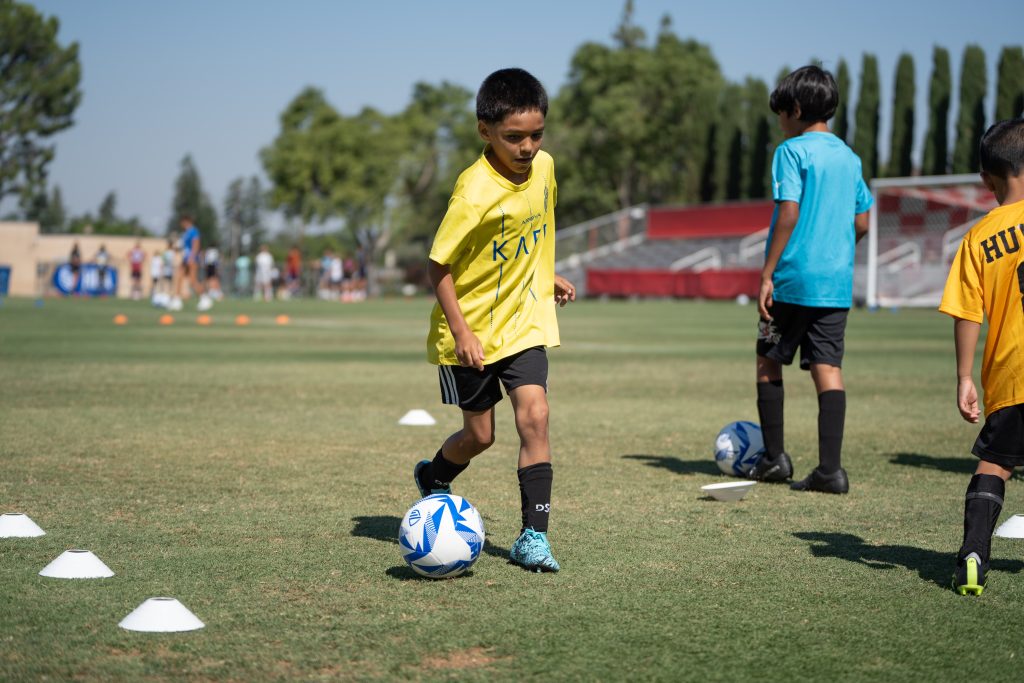
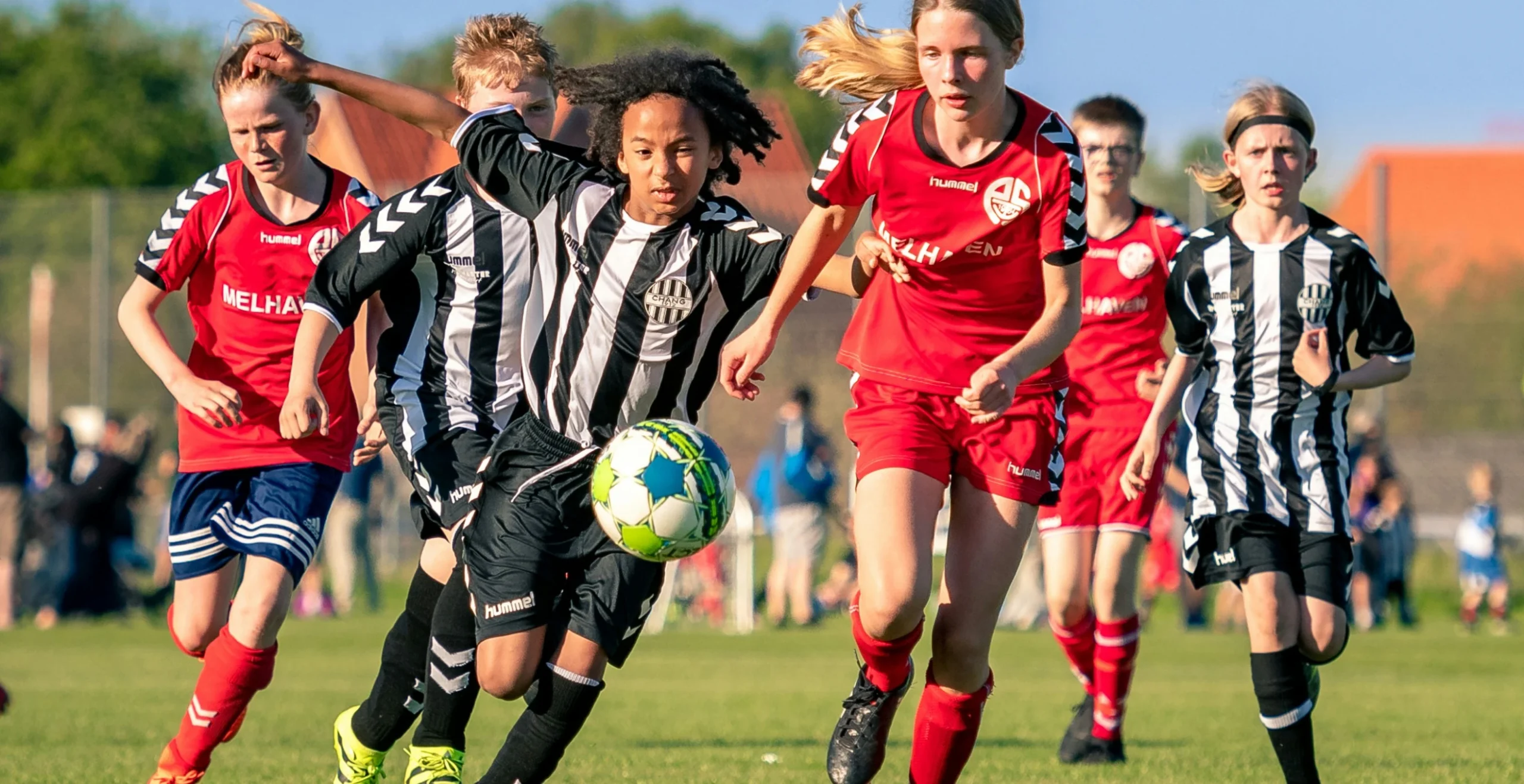
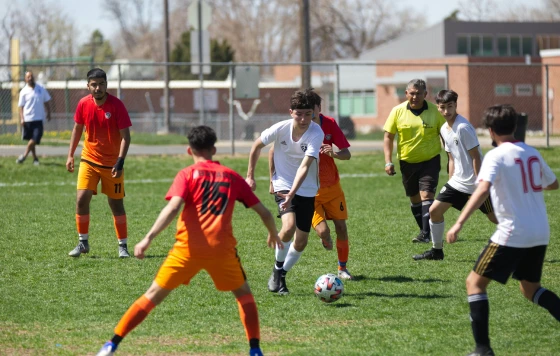
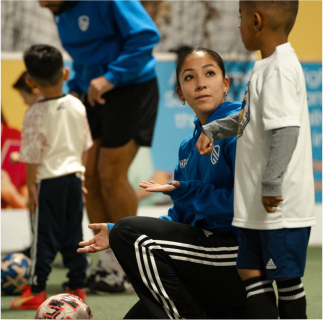
Organized sport is one of the most powerful tools available in afterschool settings, when it is coached well. Sport-based after school program ideas that prioritize teamwork, emotional regulation, and leadership alongside skill development produce outcomes that extend far beyond the field. The physical benefits are real: improved coordination, cardiovascular health, and body confidence. But the social and emotional gains, when coaching is intentional, are often more lasting.
Key features of effective sport-based after school programming include:
- Age-appropriate progressions that meet students at their developmental stage
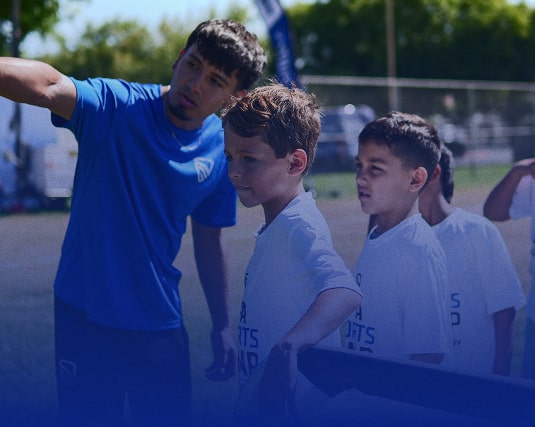
- Coaches who are trained to lead with empathy and model emotional regulation
- Multi-sport exposure that builds broad athleticism and keeps engagement high
- Structured team moments that reinforce communication and conflict resolution
2. Structured Recess and Lunch Enrichment
Unstructured free time has its place, but schools dealing with behavioral challenges during recess know that a little structure goes a long way. Organized noon league and recess enrichment programs give students supervised, activity-based engagement during transition times that reduces behavioral incidents, improves peer relationships, and sends students back to class more ready to focus.
This category of after school program ideas is often underutilized, despite its outsized impact on school climate.
3. Leadership Development Activities
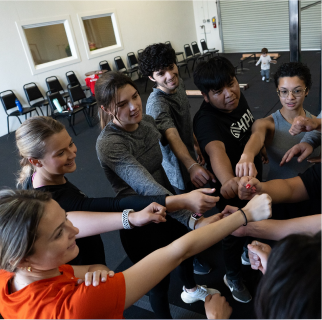
Programs that create explicit opportunities for students to lead, whether through team captaincy, peer mentorship, facilitation roles, or reflection exercises, develop capacities that academic instruction rarely targets directly. Responsibility, initiative, and the ability to influence others positively are skills that whole-child programming is uniquely positioned to build.
4. Community-Centered Programming
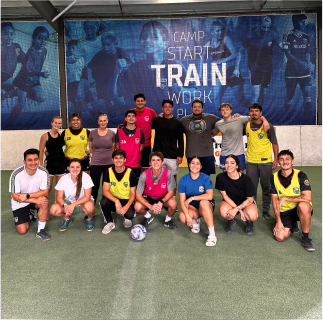
One of the most consistent predictors of student engagement in afterschool settings is belonging. Programs that build genuine communities where every student is known, valued, and invested in retain students at higher rates and produce better outcomes across the board. After school program ideas built around team identity, shared culture, and peer relationships create a draw that purely activity-based programming cannot replicate.
5. Summer and Camp Enrichment
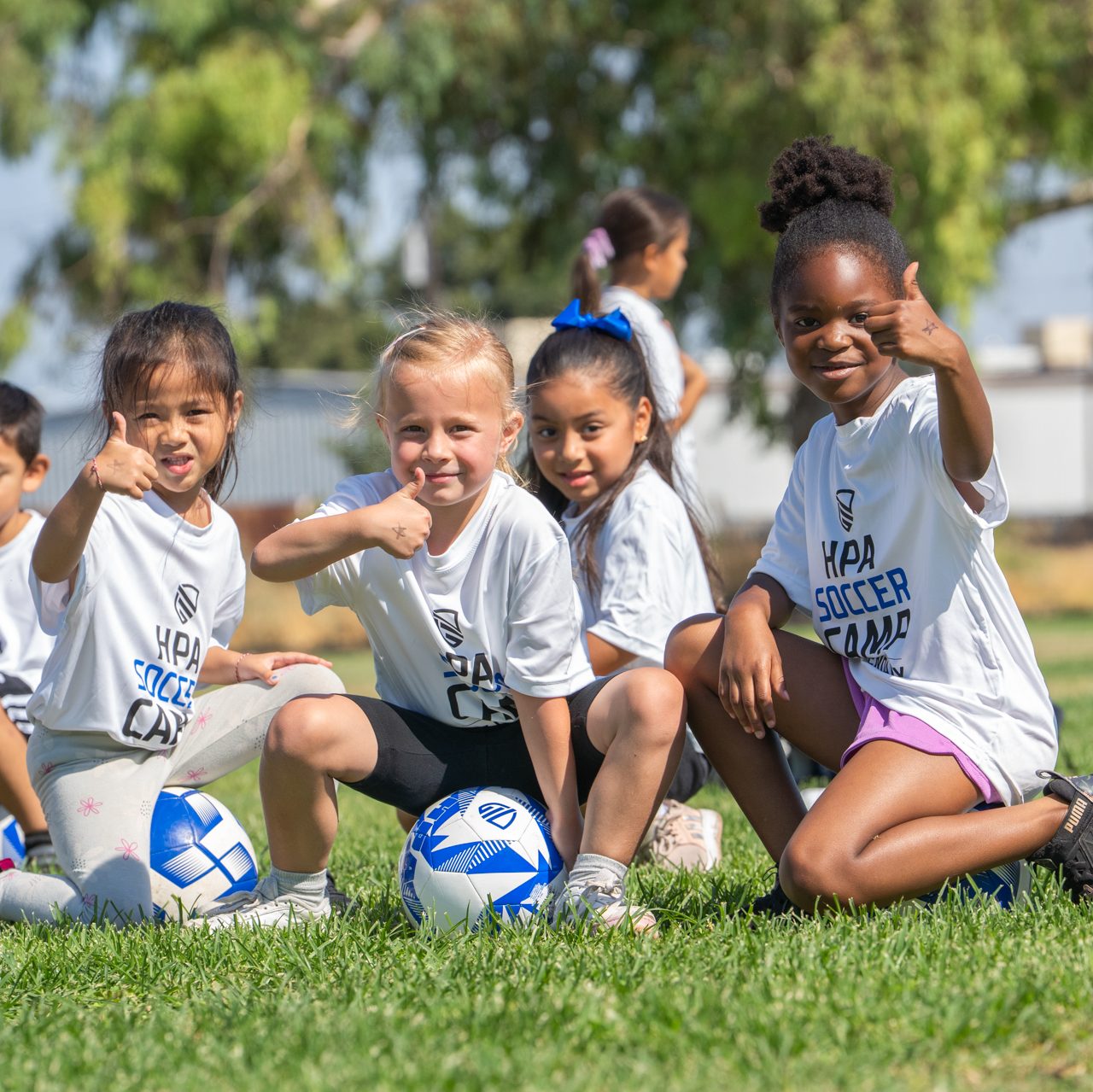
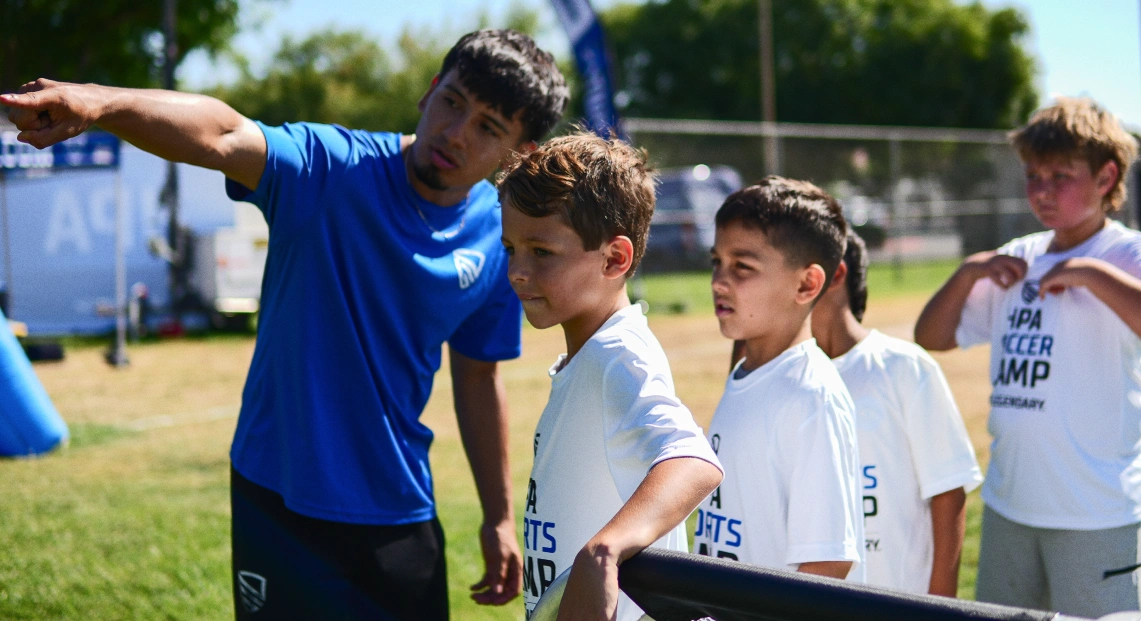
Whole-child programming does not end at the school year. Summer learning programs that combine physical activity, social development, and positive adult mentorship are among the most effective tools available for preventing summer learning loss and sustaining the gains built during the academic year. The best camp and summer enrichment models extend the relational continuity students benefit from year-round.
What Separates Good After School Program Ideas From Great Programs?
The difference rarely comes down to the activity itself. Two programs can run the same sport or the same curriculum and produce wildly different outcomes based on how the program is staffed, structured, and supported. The distinguishing factors in high-quality after school programming include:
- Staff quality and continuity. Students develop through consistent relationships with trusted adults. High turnover undermines outcomes regardless of curriculum quality.
- Intentional program design. Every session element should have a purpose tied to the program’s developmental goals, not just fill time.
- Alignment with school goals. Programs that understand and actively support the school’s academic and social-emotional priorities become valued partners, not just vendors.
- Scalability without sacrificing quality. Programs that can serve a growing number of students without losing the quality of adult-student relationships are rare and highly sought after by schools.
How HPA Brings After School Program Ideas to Life for Schools
At High Performance Academy, our after school programs are built from the ground up around whole-child development. Our coaches are trained on long-term athlete development frameworks and SEL principles. Our programs span afterschool enrichment, structured recess, camps, and summer learning, giving schools a single partner that can support students across the full calendar year.