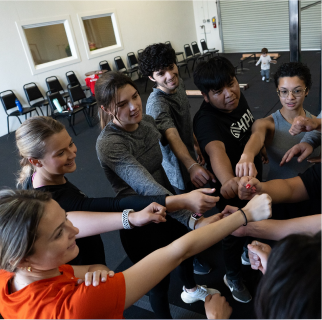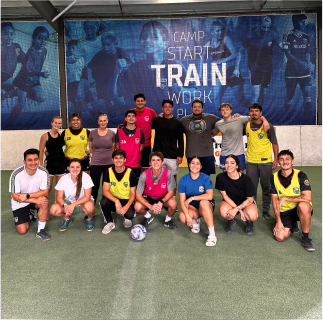

Schools are expected to do more than improve academic outcomes, they are called to support the whole child. That is where a strong social emotional learning (SEL) curriculum becomes a game-changer. When implemented effectively, SEL cultivates skills like self-awareness, empathy, responsible decision-making, and resilience. These are essential for student success in school and in life.
At High Performance Academy (HPA), we work closely with schools and districts to create impactful programs that integrate SEL at every level. Whether you are just beginning the process or enhancing an existing approach, this guide offers practical steps to help school leaders implement a high-quality social emotional learning curriculum with confidence and purpose.
In this blog, we’ll cover the following:
- Understand the Core Components of SEL
- Assess Your School’s Readiness
- Select or Develop the Right Curriculum
- Train and Empower Educators
- Embed SEL into Daily Routines and School Culture
- Engage Families and the Community
- Measure Progress and Continuously Improve
- Bring SEL to Life with HPA
1. Understand the Core Components of SEL
Before implementation begins, it is important to understand what SEL is and what it is not. A comprehensive social emotional learning curriculum is built around five core competencies:
- Self-awareness
- Self-management
- Social awareness
- Relationship skills
- Responsible decision-making
These competencies, outlined by the Collaborative for Academic, Social, and Emotional Learning (CASEL), provide the framework for SEL across all grade levels. A successful program weaves these concepts into instruction, campus culture, and school-wide systems.
At HPA, we build these elements into all of our extended learning programs including afterschool sports and enrichment activities. This ensures that students practice emotional intelligence daily in meaningful ways.
2. Assess Your School’s Readiness
Implementation is not one-size-fits-all. Every school community has unique strengths, challenges, and priorities. School leaders should begin by asking:
- Do educators have the training and tools needed to teach SEL?
- How is SEL currently embedded in classrooms and campus routines?
- What are the emotional and social needs of our students?
Using surveys, focus groups, or school climate assessments can help gather actionable insights. HPA partners with districts to evaluate current systems and co-design SEL strategies that match local goals and student needs.
3. Select or Develop the Right Curriculum
Choosing the right social emotional learning curriculum means finding an approach that:
- Aligns with your school’s mission and values
- Matches developmental stages and learning levels
- Promotes cultural responsiveness and inclusion
- Includes engaging, hands-on activities
- Offers professional development and educator support
Some schools choose to implement research-based programs, while others develop their own SEL frameworks. HPA provides flexible, mentor-led programs that can enhance existing curricula or serve as a complete SEL solution customized for your district.
4. Train and Empower Educators
Teachers and staff are at the heart of every successful SEL initiative. Professional development should go beyond introductory workshops and instead be continuous, practical, and embedded in daily practice.
High-quality SEL training includes:
- Helping staff develop their own SEL skills
- Modeling effective classroom SEL strategies
- Promoting empathy-driven behavior management
- Building emotionally safe and inclusive environments
HPA’s mentorship-based model includes educator training that prepares staff to build positive relationships and lead with compassion and purpose.
5. Embed SEL into Daily Routines and School Culture
To be truly effective, a social emotional learning curriculum should not be limited to a single lesson or subject. SEL must be integrated into every part of the school experience, including:
- Morning meetings or class check-ins
- Group work and project-based learning
- Behavioral expectations and discipline practices
- Family involvement and school-wide events
- Enrichment activities and afterschool programs
At HPA, we intentionally use afterschool time to reinforce SEL through movement, teamwork, creative exploration, and structured mentorship.
6. Engage Families and the Community
Students’ social and emotional growth is shaped by what happens both at school and at home. Including families in your SEL efforts strengthens the consistency and impact of your program.
Ways to involve families include:
- Hosting SEL family nights or workshops
- Sending home conversation guides or activities
- Communicating SEL goals in newsletters or online
- Celebrating SEL milestones and student progress
HPA helps schools build family partnerships by offering accessible resources and communication strategies that support learning beyond the classroom.
7. Measure Progress and Continuously Improve
A social emotional learning curriculum should be monitored and adapted based on real results. School leaders should set clear goals and use data to evaluate progress in areas such as:
- Student behavior and discipline trends
- Attendance and engagement
- SEL survey responses or assessments
- Feedback from staff, students, and families
Ongoing evaluation helps identify successes, address challenges, and maintain program quality. HPA supports schools with data tools, reflection processes, and expert coaching to help ensure long-term impact.
Partner with HPA to Strengthen SEL in Your School
At HPA, we believe that SEL is not just an educational tool. It is a foundation for lifelong growth. Our programs are designed to support the whole child through structured mentorship, engaging experiences, and alignment with school and district goals.
Schools that work with HPA receive:
- A fully developed or supplemental SEL curriculum
- Mentor-based support for both students and educators
- Custom programming that reflects your school’s unique needs
- Measurable outcomes and guidance from SEL experts
Whether you are enhancing an existing effort or starting fresh, HPA is ready to be your partner in building an empowered, emotionally intelligent school community.
Bring SEL to Life with HPA
If you are a school leader looking to implement a transformative social emotional learning curriculum, HPA is here to help. Our programs are already making a difference across California, and we are excited to support your school or district next. Contact us today to learn more!